Description
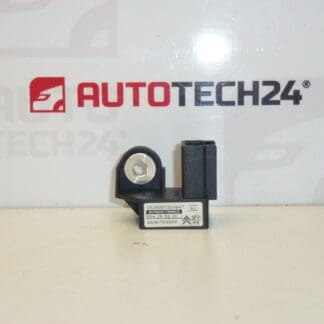
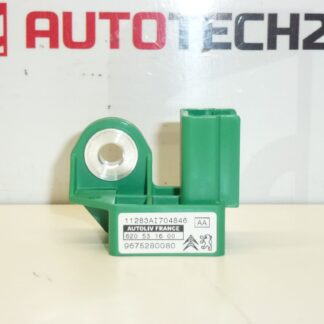
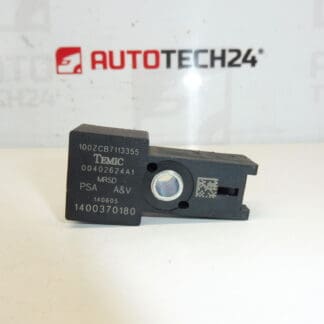
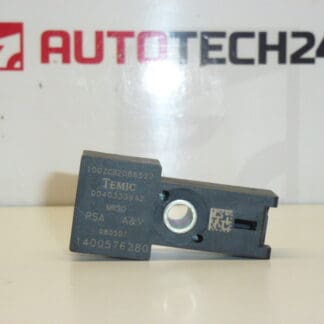
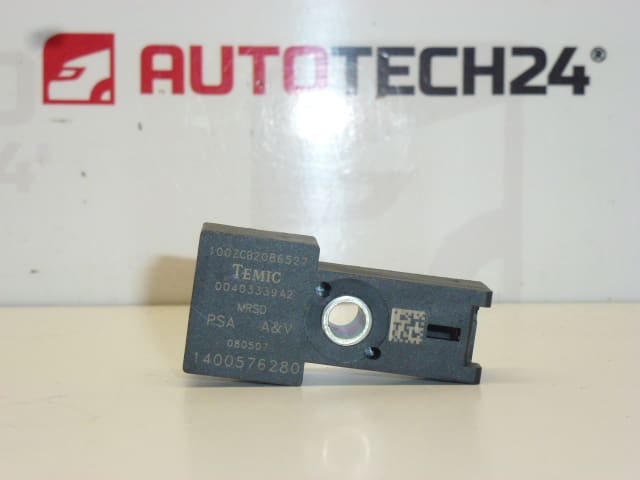
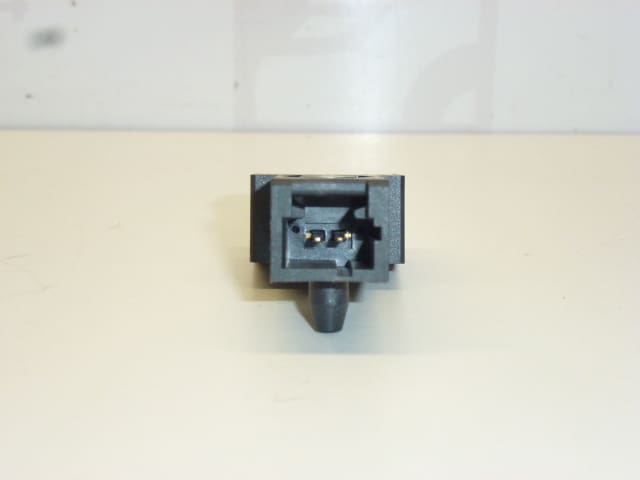
Side Impact Sensor TEMIC for Airbag on CITROËN and PEUGEOT Vehicles. Acceleration Sensor ABL
High-quality replacement side impact sensor designed for Citroën and Peugeot models. This sensor by TEMIC is an acceleration-type (ABL) unit used by Stellantis OEM systems to detect lateral impacts and send fast, reliable signals to the SRS control unit. Often searched by part numbers 1400576280 and 8216NZ, this sensor is suitable for professional workshops and DIY mechanics who require correct crash-sensor performance to ensure occupant protection and proper airbag deployment logic.
Technical Information
- Manufacturer: TEMIC (Stellantis Supplier)
- Model: Side Impact Sensor / Acceleration Sensor ABL
- Product Codes: 1400576280, 8216NZ
- Additional Numbers: Stellantis CITROËN PEUGEOT
- Compatible Models (Examples): Citroën C2, Citroën C3, Citroën C3 Pluriel, Citroën C8, Peugeot 807
Function
The side impact sensor measures lateral acceleration and transmits a rapid electrical signal to the Supplemental Restraint System (SRS) control unit. The SRS ECU evaluates inputs from multiple crash sensors to decide whether to deploy side airbags and pretensioners. Reliable sensor signaling is critical for accurate crash detection and proper timing of restraint deployment.
Replacement And Installation
Before removal or installation always disconnect the battery and follow the manufacturer’s procedure to avoid damage to the electrical system and components. Typical replacement steps:
- Disconnect the negative battery terminal and wait for stored energy to dissipate per the vehicle manufacturer’s safety guidance.
- Access the sensor by removing the required interior trim panels (locations vary by model; commonly mounted on B‑pillar, door inner structure or seat mounting points depending on vehicle).
- Disconnect the electrical connector and unbolt the sensor from its bracket.
- Fit the new sensor in the original orientation, secure bolts to manufacturer specification, and reconnect the electrical connector ensuring a firm lock and clean contacts.
- Reconnect the battery, clear SRS fault codes and perform a system check with a diagnostic tool. Use PSA diagnostic equipment (DiagBox/Lexia/PP2000) or equivalent to confirm correct communication with the SRS ECU and to clear any stored crash codes.
Installation Recommendations
- Follow vehicle manufacturer’s safety procedures and torque specifications when refitting fasteners.
- Ensure connectors and wiring harnesses are undamaged and free of corrosion; replace any compromised clips or harness sections.
- After replacement, verify the SRS system status with an appropriate diagnostic tool and clear any related fault codes.
- If the vehicle has been involved in a collision, inspect all SRS components and wiring for hidden damage before reassembly.
- Handle the sensor carefully; avoid strikes, bending, or contamination of the sensing element.
Why The Part Fails Most Often
- Direct Impact Or Collision: Mechanical damage from side impacts is the most common cause of sensor failure or need for replacement.
- Connector Or Wiring Damage: Broken wires, loose plugs, or corrosion at the connector lead to intermittent or lost signals.
- Moisture Ingress And Corrosion: Water penetration can corrode contacts or the sensor housing, affecting reliability.
- Electrical Faults Or Short Circuits: Vehicle electrical incidents can damage the sensor electronics.
- Age And Environmental Stress: Long-term exposure to vibration and temperature cycles can degrade internal components.
Notes
There is no fixed service interval for crash sensors; replacement is required when fault codes indicate a malfunction or after events that compromise the sensor (for example, collisions). After any SRS work, always verify system integrity with a diagnostic tool and follow the vehicle manufacturer’s post-repair procedures.