Description
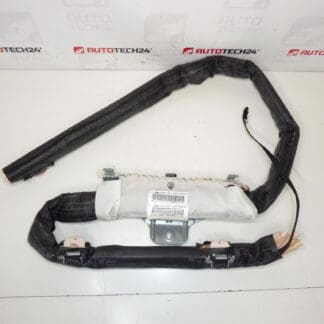
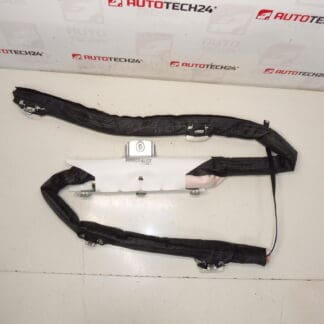
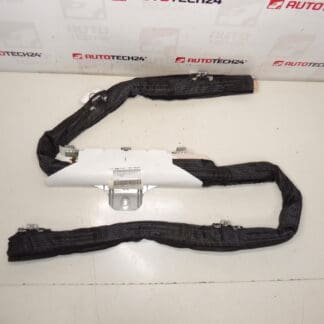
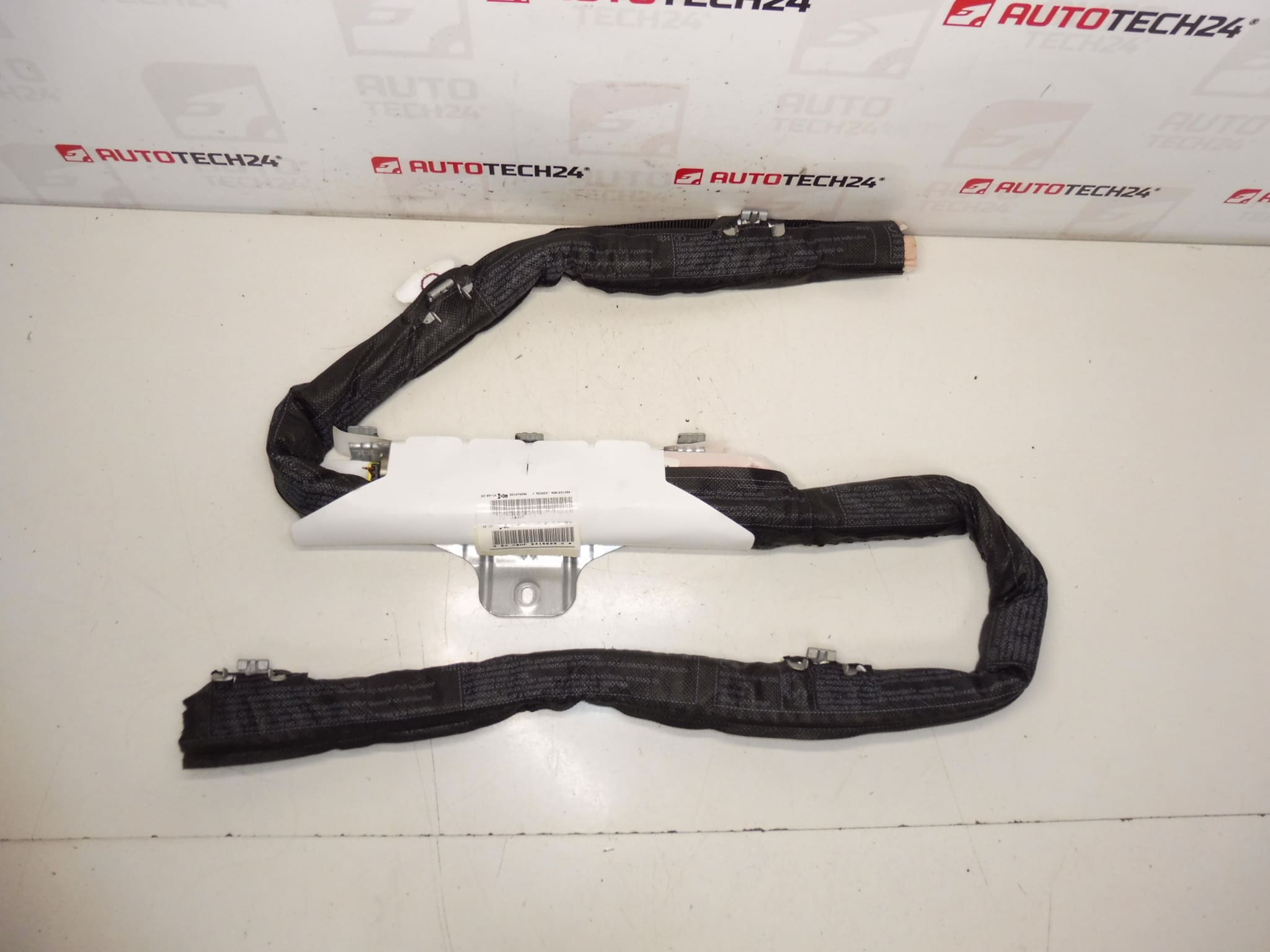
Right side roof curtain airbag for Peugeot 3008 and 5008 first generation. Passenger side.
High-quality replacement side roof (curtain) airbag designed for Peugeot 3008 I and Peugeot 5008 I. This OEM-compatible unit (part number 9801631380) restores side-impact and rollover protection for the front passenger and helps meet original safety functionality after deployment or confirmed fault. Ideal for professional workshops and experienced DIY mechanics who perform airbag and SRS repairs.
Key Benefits
Restores Passive Safety: Protects Head And Upper Torso In Side Impact Or Rollover. Compact OEM Fitment: Designed To Match Factory Mounting Points And Connector Layout. Workshop-Friendly Replacement: Intended For Mechanics Familiar With SRS Systems And Interior Trim Removal.
How The Part Works
The Roof Curtain Airbag Is Mounted Along The Headliner At The Vehicle Side And Deploys In Side Impacts Or Rollover Events To Reduce Head And Upper Body Injuries. It Is Triggered By The Vehicle SRS Control Unit Based On Crash Sensors.
Installation Overview
- Safety First: Disconnect The Battery And Wait The Manufacturer-Specified Time Before Starting Work To Prevent Accidental Deployment.
- Trim Removal: Carefully Remove A-Pillar, B-Pillar Covers And Headliner Clips To Access The Airbag Assembly.
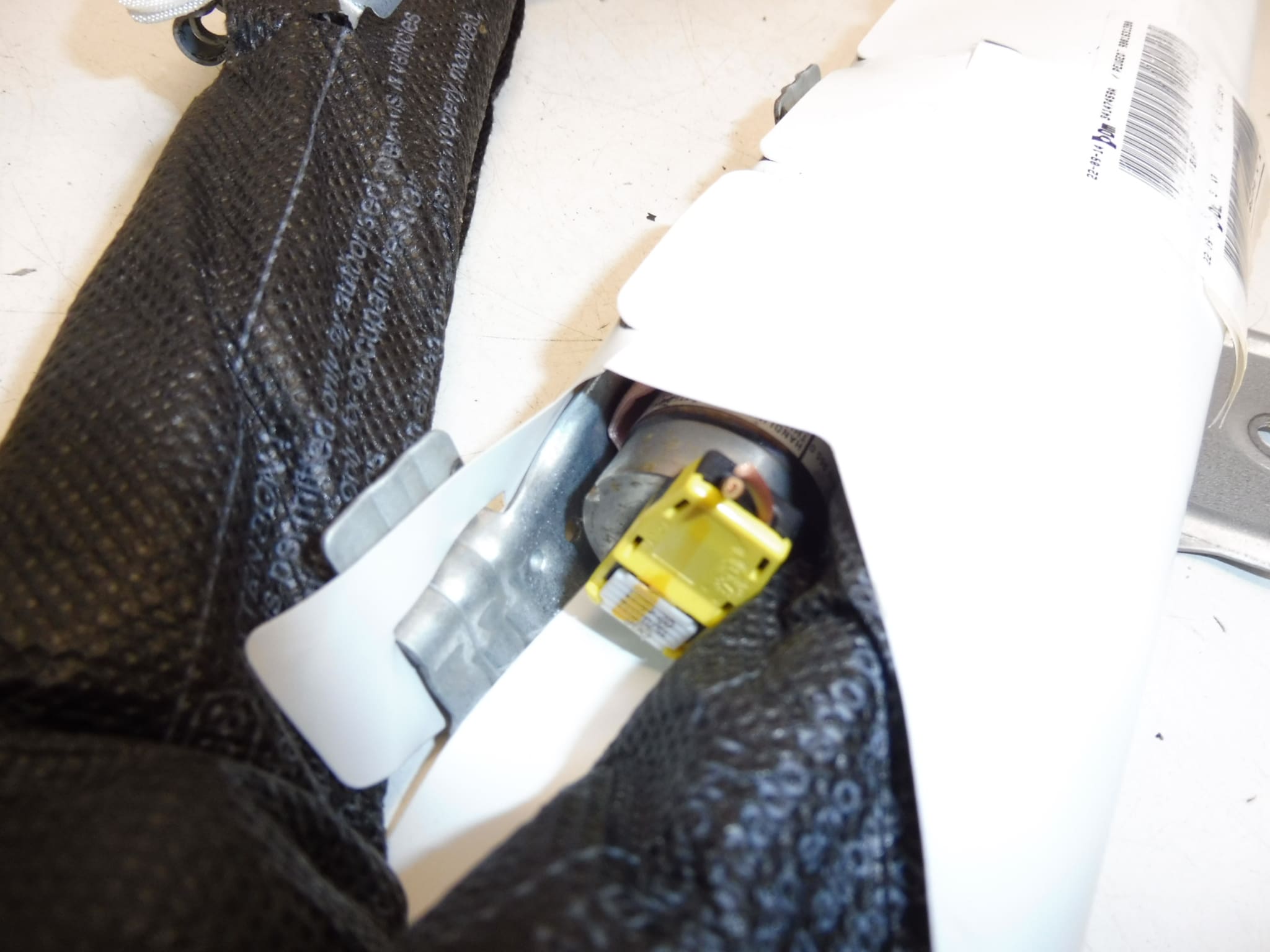
- Connector Handling: Unplug The SRS Connector Using Proper Tools; Avoid Pulling On Wiring.
- Mounting: Secure The Airbag To Factory Anchor Points Using Original Clips Or Fasteners; Ensure Correct Routing Of Retaining Straps.
- Post-Installation: Reconnect Battery And Clear SRS Fault Codes With Appropriate Diagnostic Equipment; Verify System Status Via Airbag Warning Lamp.
Technical Information
- Manufacturer: Stellantis / Peugeot
- Model: Peugeot 3008 I, Peugeot 5008 I (First Generation)
- Product Codes: 9801631380
- Additional Numbers: No Additional Numbers Provided
Recommended Assembly
Follow Manufacturer Procedures For SRS Work. Always Disconnect The Battery Before Removal And Reinstallation To Avoid Accidental Deployment. Use Proper Trim Tools To Prevent Damage To Interior Panels. After Installation, Use A Suitable Diagnostic Tool To Reset Any SRS Faults And Confirm The Airbag Warning Lamp Is Off.
Why This Part Most Commonly Fails
Roof Curtain Airbags Are Typically Replaced After Deployment In A Collision. Secondary Causes Of Damage Include Water Ingress From Sunroof Or Door Seals Leading To Corrosion Of Connectors, Physical Damage During Interior Repairs, Or Incorrect Handling During Prior Work. Faults Are Often Indicated By Stored SRS Codes And The Airbag Warning Light.
Compatible For Use By Professional Auto Technicians And Experienced DIY Mechanics Who Have The Tools And Knowledge To Work Safely With SRS Systems. Use Correct Diagnostic Equipment To Verify System Integrity After Replacement.
Keywords: Peugeot 3008 Curtain Airbag, Peugeot 5008 Curtain Airbag, Side Roof Airbag Passenger Right, OEM 9801631380, Airbag Replacement For 3008 5008.