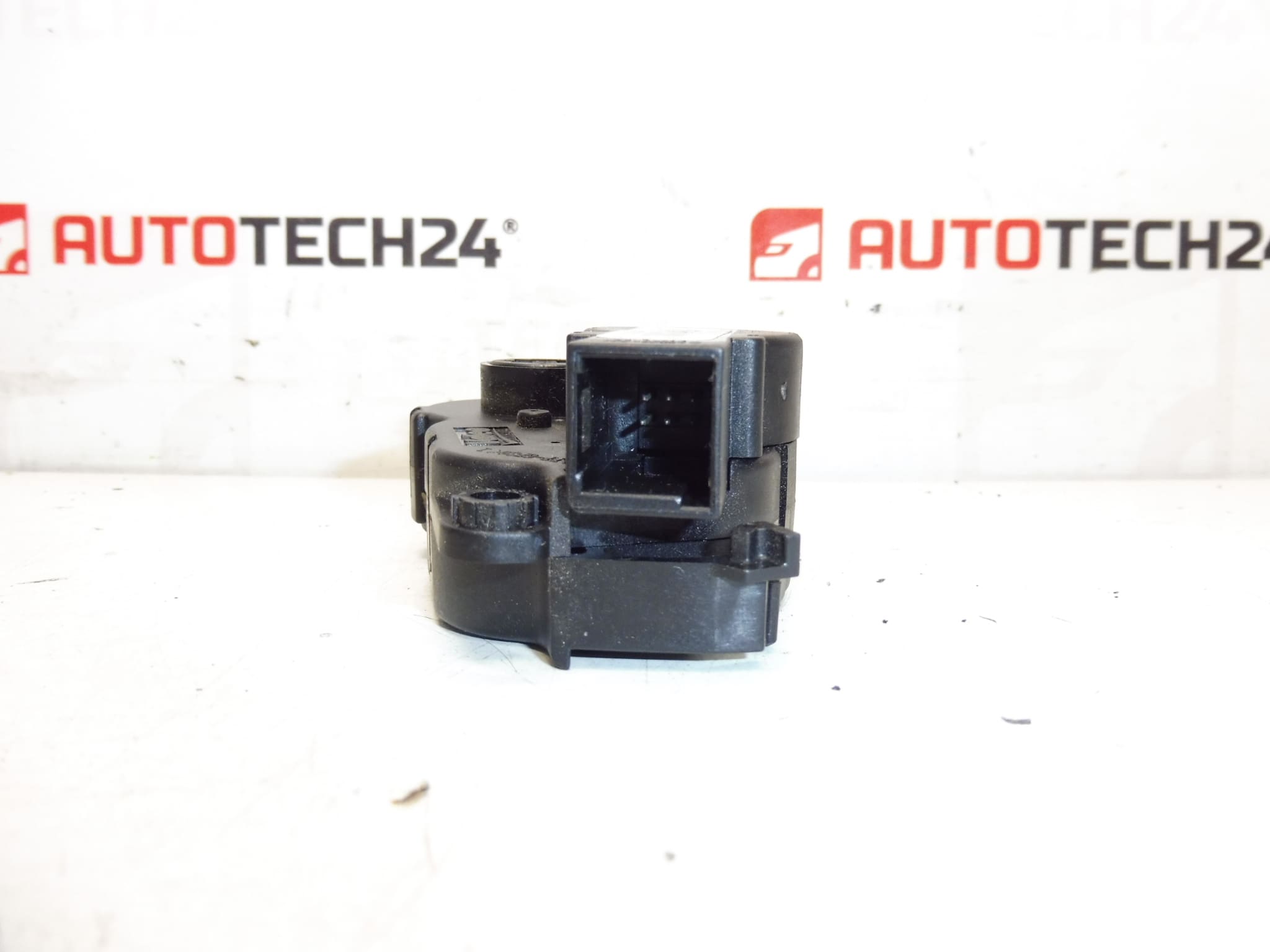
Description
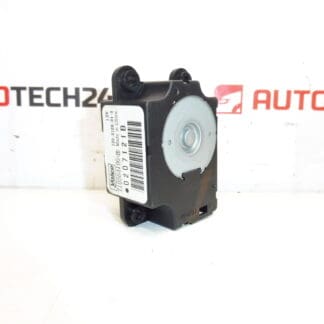
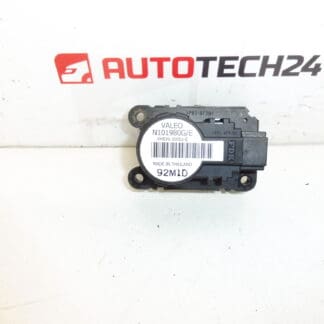
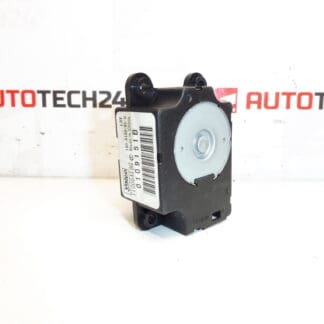
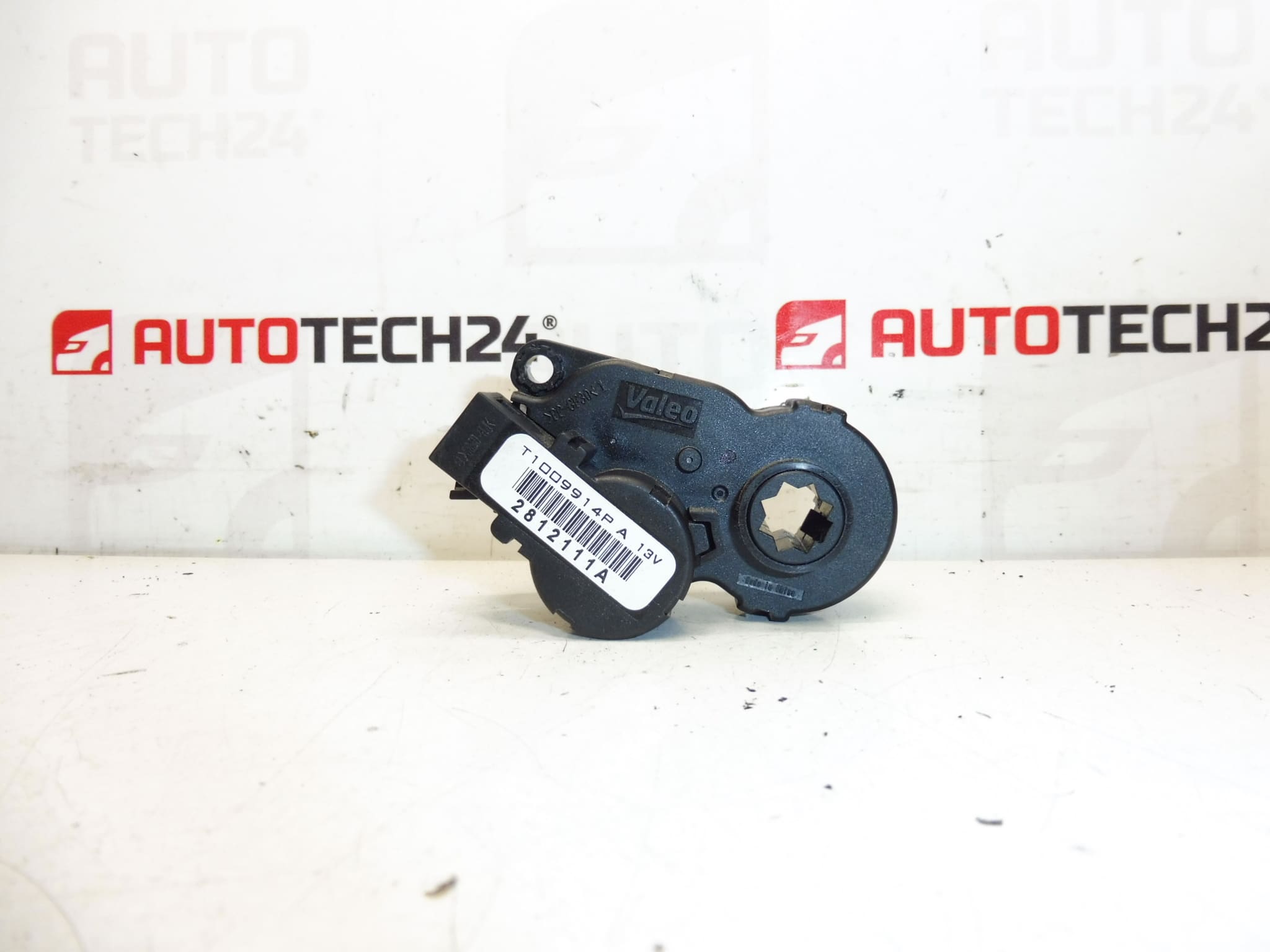
Heater servo motor for Citroën C4 II and Peugeot 308 T7
Product Description
High-quality replacement heater servo motor designed for HVAC systems in Citroën C4 II and Peugeot 308 T7 vehicles. This servo (also known as a blend door actuator) controls the position of the heater/ventilation flaps to regulate cabin temperature and airflow. The unit is suitable for professional workshops and experienced DIY mechanics who maintain Stellantis group vehicles and look up parts by reference numbers such as T1009914P or A 6479E7.
Why This Part Matters
The heater servo motor ensures precise movement of the HVAC blend doors. If the actuator fails, symptoms include incorrect cabin temperature, uneven airflow, noise from the dash (clicking or grinding), or inability to switch between heater and air conditioning modes. Replacing a faulty servo restores proper climate control response and passenger comfort.
Suitable Models
- Citroën C4 II
- Peugeot 308 (T7)
Technical Information
- Manufacturer: Valeo
- Model: Citroën C4 II, Peugeot 308 T7
- Product Codes: T1009914P, A 6479E7
- Additional Numbers: Stellantis / Citroën / Peugeot References: T1009914P, A 6479E7
Installation Guide
Intended for experienced technicians and competent DIYers. Typical replacement steps:
- Park the vehicle on a level surface and remove ignition key.
- Disconnect the negative battery terminal to prevent electrical damage or short circuits.
- Gain access to the HVAC housing—this often requires removal of lower dashboard panels or glovebox depending on the model.
- Locate the faulty servo on the heater box. Note the orientation and any linkage to the blend door or flap.
- Disconnect the electrical connector and remove mounting screws or clips holding the servo in place.
- Install the new servo, secure mounting fasteners, reconnect the electrical plug, and reassemble trim panels.
- Reconnect the battery and test HVAC functions through full range to confirm correct operation and quiet running.
Installation Recommendations
- Always disconnect the battery before starting work to avoid short circuits or ECU faults.
- Inspect surrounding HVAC components (linkages, flap shafts, and housings) for wear or debris that might impede movement.
- Operate the new servo through its full range after fitting to ensure smooth movement and correct indexing.
- Use basic hand tools and, if required, a vehicle-specific service manual to follow the correct disassembly steps for the dashboard and HVAC unit.
Common Failure Causes
- Worn or stripped plastic gear teeth due to age and repeated movement.
- Internal potentiometer or motor failure from electrical wear or moisture ingress.
- Mechanical blockage from foreign objects or degraded foam/insulation inside the HVAC box.
- Intermittent faults caused by corroded connectors or wiring harness damage.
- High mileage and frequent temperature cycling accelerate wear.
Durability And Notes
Service life depends on usage, environment, and maintenance. Typical lifetime for HVAC servos ranges widely; many fail after several years or high mileage due to mechanical wear. Replacing a faulty unit with the correct reference number ensures reliable climate control performance.