Description
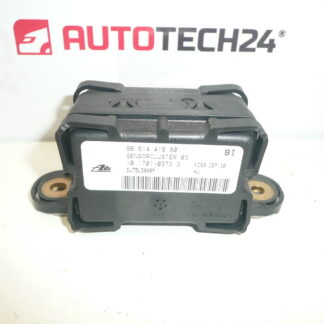
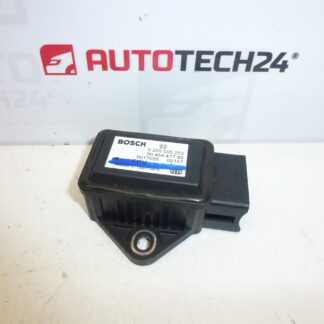
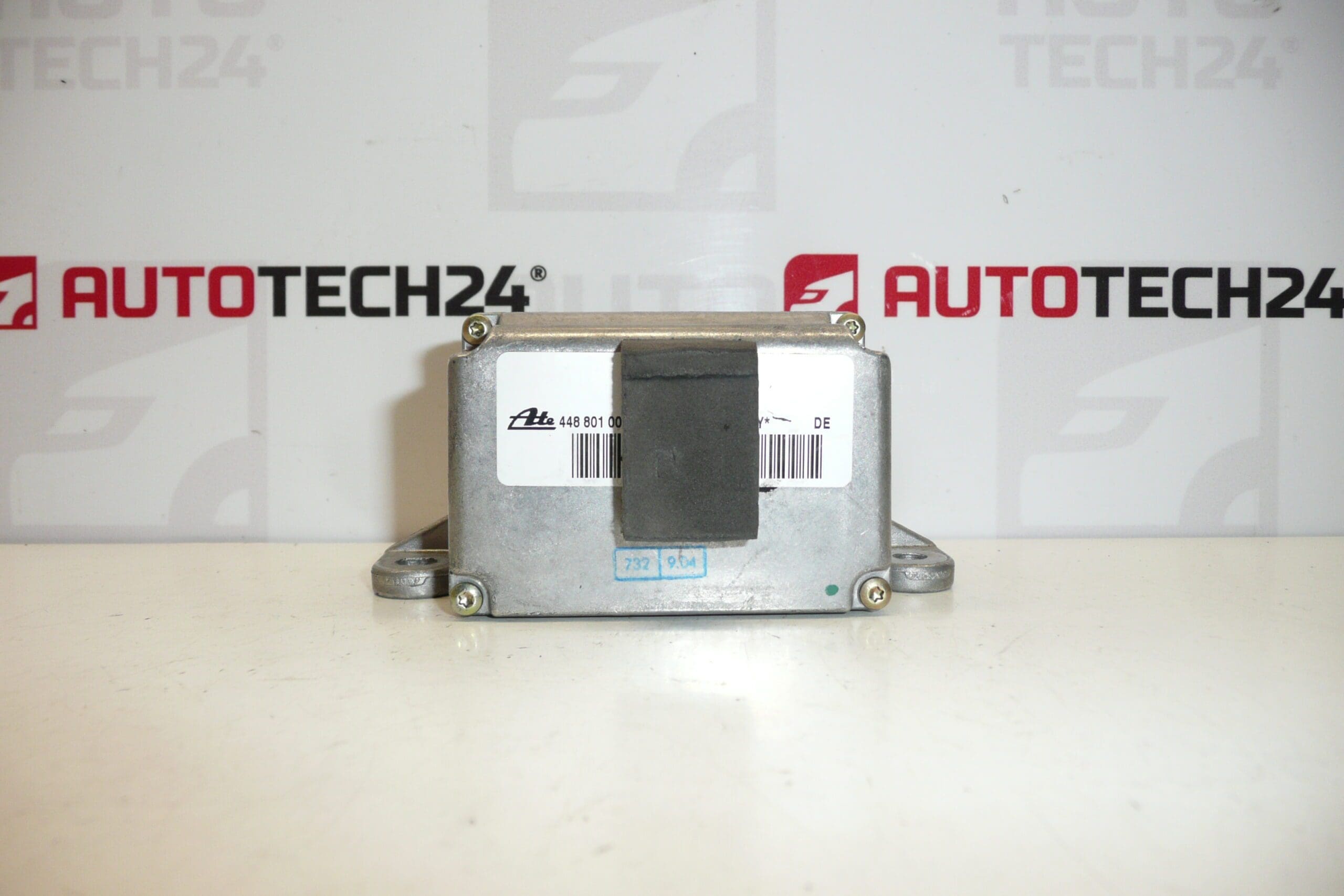
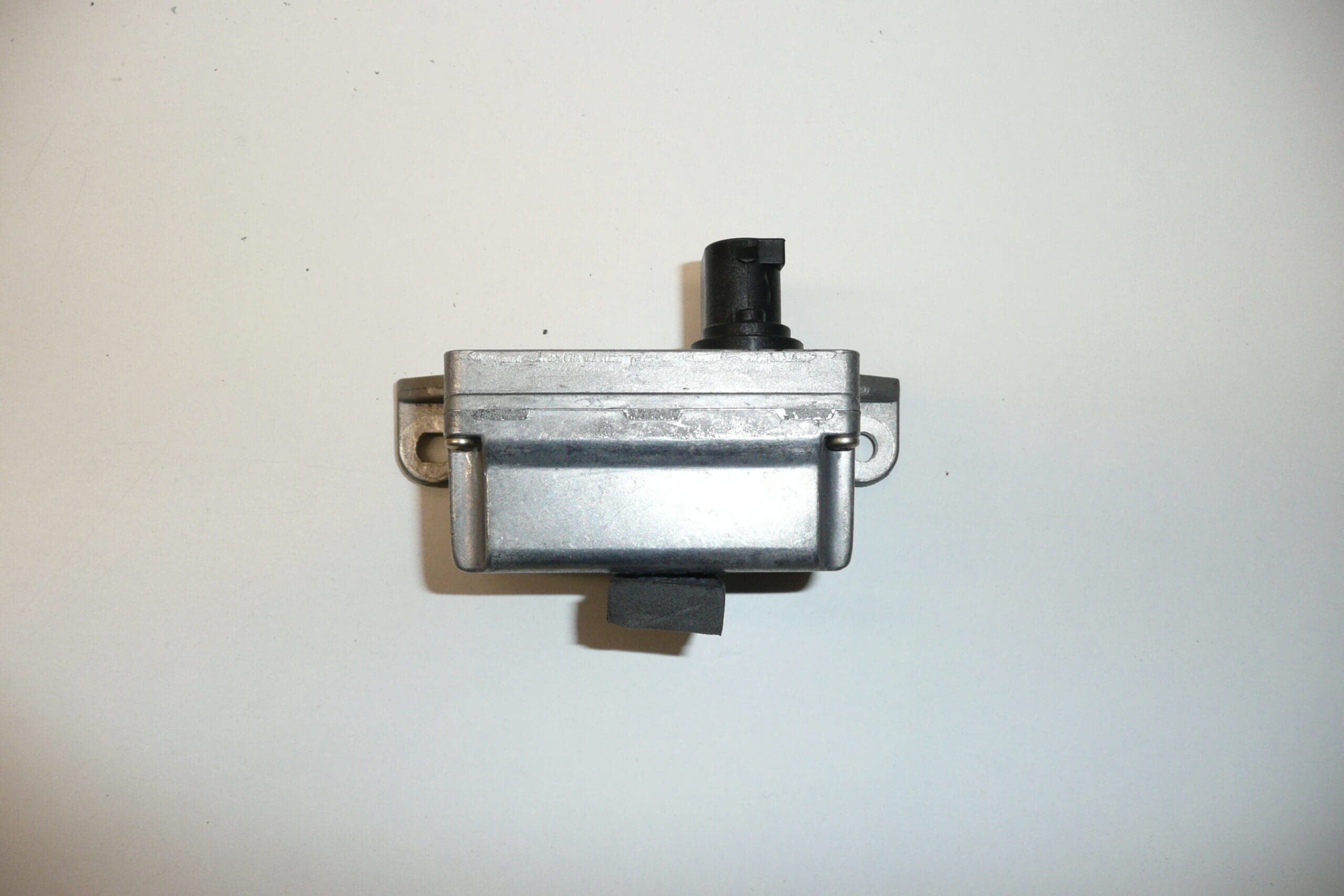
Dual sensor, kinetic ESP sensor ATE for Citroën and Peugeot vehicles.
This ATE kinetic ESP sensor is a direct-fit component for many Citroën and Peugeot models. Designed for mechanics and experienced DIYers, the sensor feeds the Electronic Stability Program (ESP) with critical inertial data (yaw rate and lateral acceleration) to help the vehicle maintain stability. The part is often searched and identified by product codes such as 9641342980, 10.0985-1101.4 and 454910 — enter these numbers when looking for the correct replacement.
Technical Information
- Manufacturer: ATE (Sensor) / Stellantis (Fitment)
- Model: Citroën C2; Citroën C3; Citroën C3 Pluriel; Citroën C5; Peugeot 1007 (Fitment Examples)
- Product Codes: 9641342980; 10.0985-1101.4; 454910
- Additional Numbers: Stellantis Fitment References (as provided)
Function And Typical Symptoms
The kinetic (inertial) ESP sensor measures vehicle yaw rate and lateral acceleration and supplies this data to the ESP/ABS control logic. When the sensor fails or gives incorrect signals, the vehicle may show one or more of the following symptoms: ESP/ABS warning lights on the dash, loss of stability control intervention, unexpected traction control activation, or recorded fault codes in the ABS/ESP module. Intermittent faults may cause unpredictable behavior under cornering or slippery conditions.
Replacement Procedure
- Prepare The Vehicle: Park on level ground, engage the handbrake and disconnect the negative battery terminal before starting any work on electrical components.
- Locate The Sensor: The inertial sensor is typically mounted near the vehicle centerline (under the dashboard, center console area, or in some models near the ABS module). Exact location depends on model — remove interior trim panels as needed to access it.
- Disconnect Wiring: Carefully unplug the sensor connector. Inspect the connector and wiring for corrosion or damage.
- Remove The Sensor: Unscrew mounting bolts and extract the sensor. Note the mounting orientation — the sensor must be refitted in the same position.
- Install New Unit: Fit the replacement sensor, tighten fasteners to the manufacturer’s torque specification, and reconnect the wiring securely.
- Diagnostic Check And Calibration: After installation clear fault codes and perform an ESP system check. If required by the vehicle, calibrate or initialise the sensor with diagnostic equipment and confirm proper operation during a test drive.
Installation Recommendations
- Always Disconnect The Battery Before Working On Electrical Parts.
- Observe Electrostatic Discharge (ESD) Precautions When Handling The Sensor.
- Follow Manufacturer Torque Specifications And Ensure Correct Sensor Orientation.
- Inspect And Clean Connectors; Replace Damaged Clips Or Seals To Prevent Water Ingress.
- After Replacement, Use A Diagnostic Tool To Clear Fault Codes And Verify System Function; Road Test The Vehicle To Confirm Stability Systems Work Correctly.
Why The Part Most Often Fails
Common causes of failure include water ingress and corrosion at the connector, damage from impacts or accidents, internal electronic degradation with age, and wiring harness faults. Improper removal or electrical surges during installation can also damage the sensor. Frequent exposure to moisture, salts or poorly sealed interior trim increases the risk of connector corrosion and sensor malfunction.
Search By Product Codes (9641342980, 10.0985-1101.4, 454910) To Quickly Find This Sensor For Citroën And Peugeot Applications. Suitable For Professional Workshops And Experienced DIY Enthusiasts Who Follow Proper Safety And Diagnostic Procedures.