Description
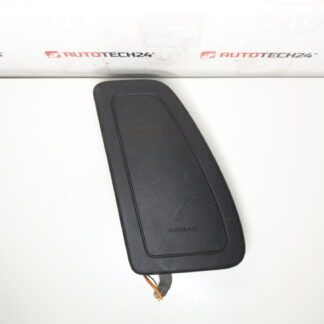
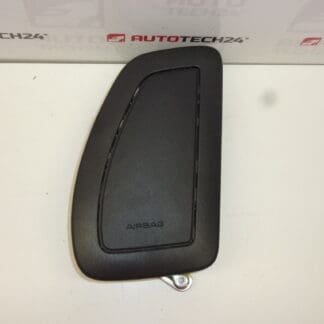
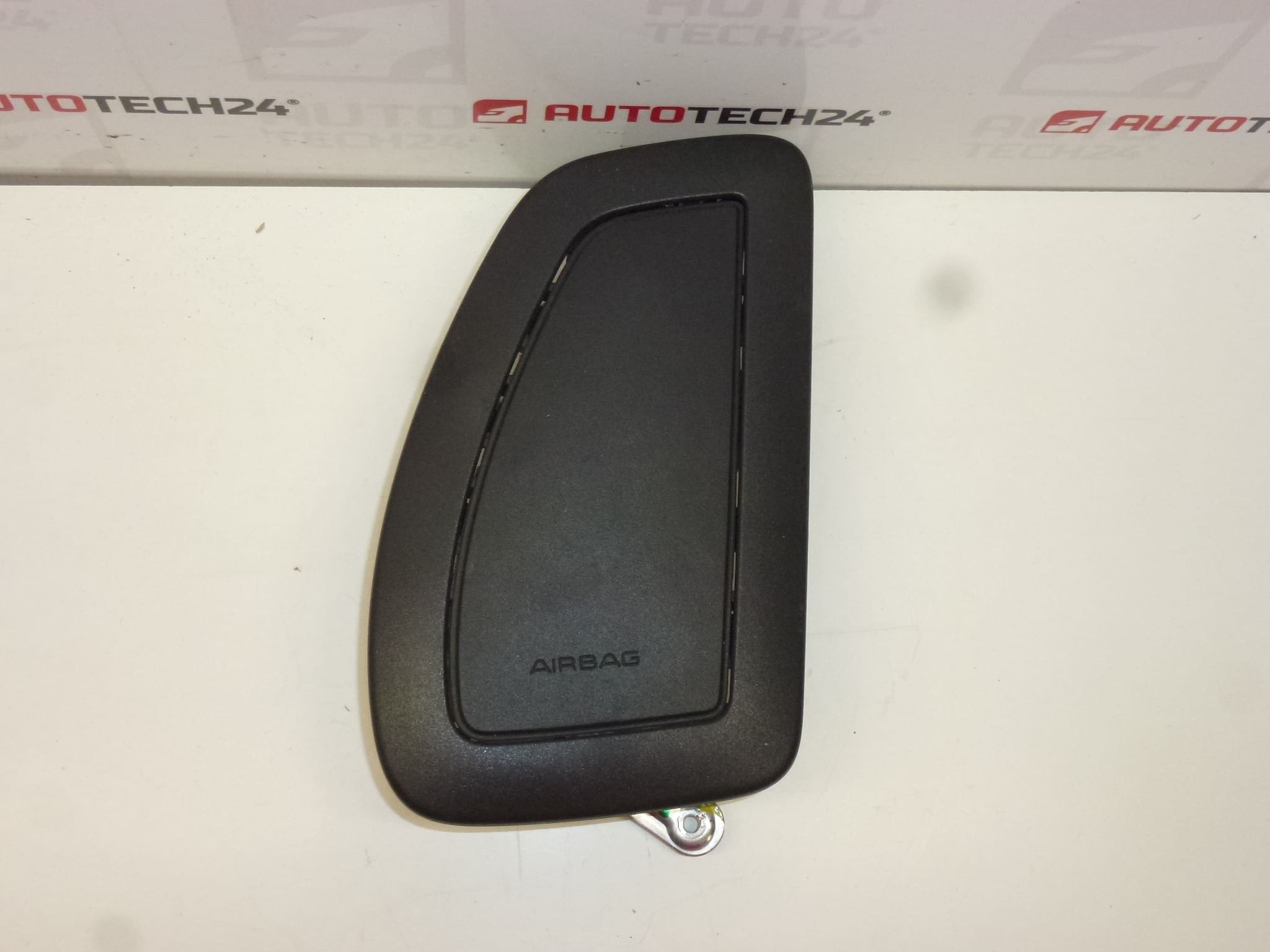
Driver Seat Airbag for Peugeot 307
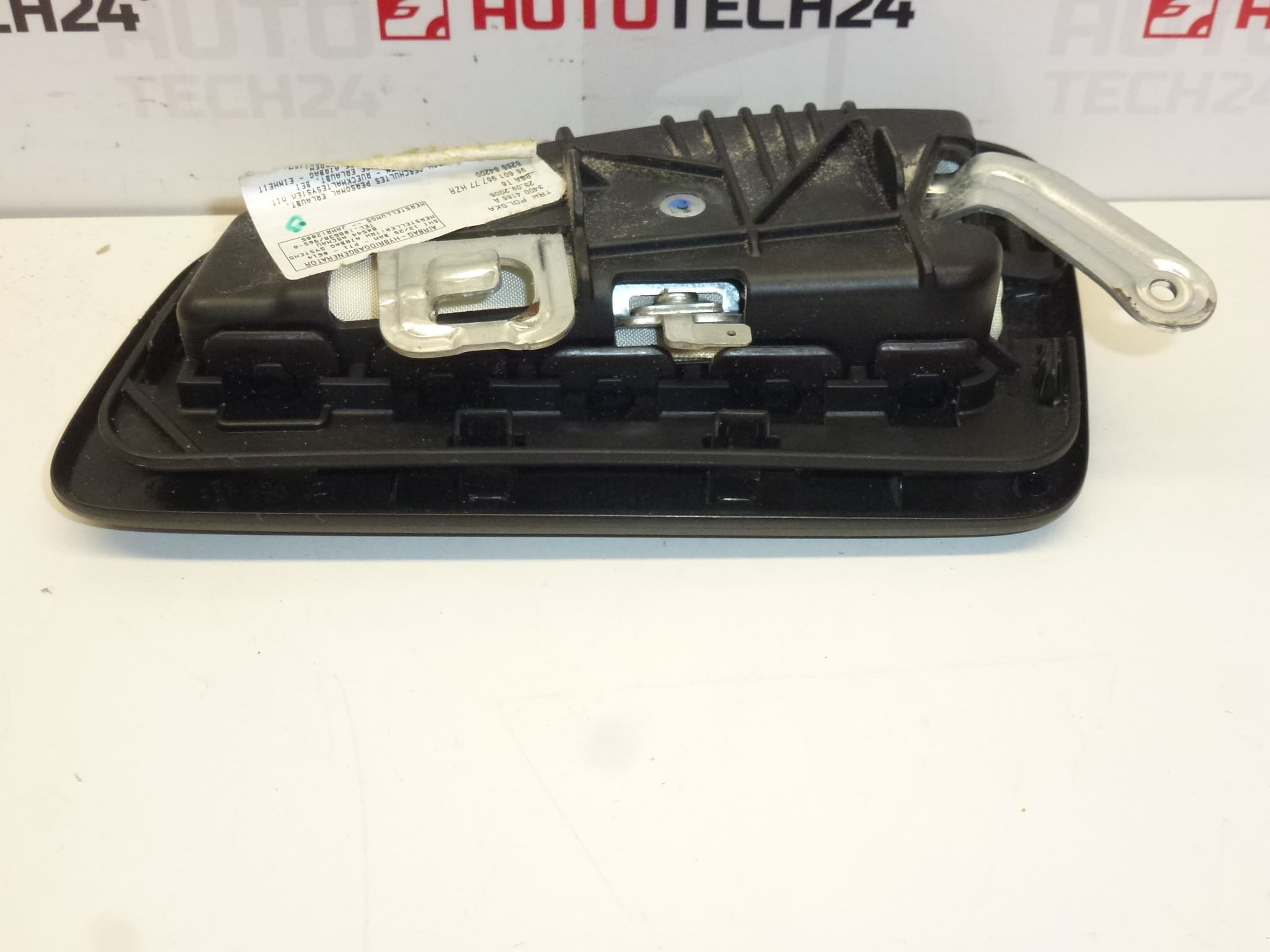
This left driver seat airbag is a direct-fit safety component designed for Peugeot 307 vehicles (first generation). Ideal for professional workshops and experienced DIY mechanics, the unit restores side-impact protection integrated into the seat and helps clear SRS faults when correctly installed. Frequently searched under OE numbers 9660196777, 8216LR and 8216FT, this part is a common replacement after collision deployment or when seat-side airbag faults appear on the dashboard.
Technical Information
- Manufacturer: Peugeot (Stellantis)
- Model: Peugeot 307 I
- Product Codes: 9660196777
- Other Numbers: 8216FT, 8216LR
- Position: Left Side, Driver Seat Airbag
- Category: Interior / Seat Airbag
Function And Application
The seat-mounted airbag is designed to deploy in side-impact events to reduce thorax and pelvic injuries by cushioning and controlling occupant movement. It is installed inside the seat upholstery and works together with the vehicle’s SRS (Supplemental Restraint System). This unit is intended specifically for compatible Peugeot 307 seats and must be used only in vehicles for which it is specified.
Replacement Procedure (Overview)
Replacing a seat airbag requires caution and appropriate tools. Typical steps include:
- Disconnect the negative battery terminal and wait at least 10 minutes (or follow the vehicle manufacturer’s specified wait time) to allow the SRS system capacitors to discharge.
- Adjust the seat to gain access, remove trim and upholstery fasteners carefully to avoid damage.
- Unbolt and remove seat if necessary to reach the airbag module and wiring harness.
- Disconnect airbag electrical connector(s) and any seat belt pretensioner connectors, noting connector orientation and locking tabs.
- Remove the faulty airbag module and install the replacement, ensuring correct alignment and secure mounting to the seat frame with manufacturer-specified fasteners and torque values.
- Reconnect all electrical connectors, refit trim and seat, reconnect the battery, and perform an SRS diagnostic check using a compatible scan tool to confirm no residual fault codes.
Installation Recommendations
- Work Should Be Carried Out By A Trained Technician Or An Experienced DIY Mechanic With Knowledge Of SRS Systems.
- Always Disconnect The Battery Before Starting Work And Observe Anti-Static Precautions.
- Use Correct Tools And Observe Manufacturer Torque Values For Seat Fasteners.
- After Installation, Perform A Full SRS Diagnostic Scan And Clear Codes Only After Verifying Proper System Operation.
- Replace Any Damaged Connectors, Clips Or Wiring Looms To Ensure Reliable Electrical Connections.
Why This Part Most Commonly Fails
- Deployment In A Collision: Airbags Are Single-Use Components And Must Be Replaced After Deployment.
- Wiring Harness Damage: Repeated Seat Movement Can Wear Wiring Leading To Open Or Short Circuits.
- Connector Corrosion Or Poor Contact: Moisture And Dirt Can Cause Intermittent SRS Faults.
- Previous Improper Repairs: Incorrectly Repaired Or Secured Airbag Modules May Fail To Operate Or Trigger Faults.
- Mechanical Damage To The Module Or Seat Structure From Impact Or Excessive Force.
By replacing the seat airbag with the correct OE-coded unit (e.g. 9660196777 / 8216LR / 8216FT) and following proper installation procedures, you restore the intended occupant protection and prevent persistent SRS warning lights. Suitable for professional fitting; carry out diagnostics after installation to confirm full system functionality.