Description
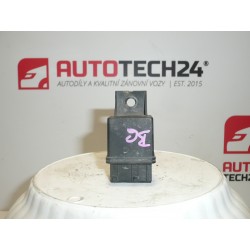
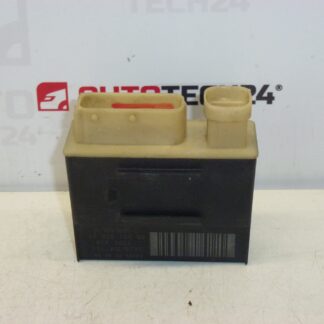
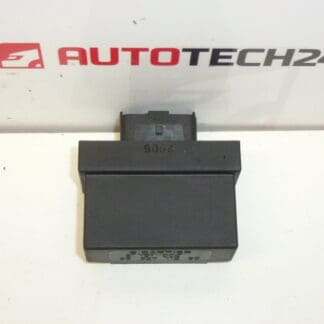
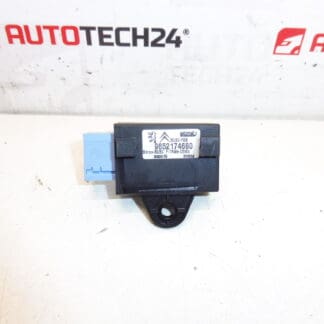
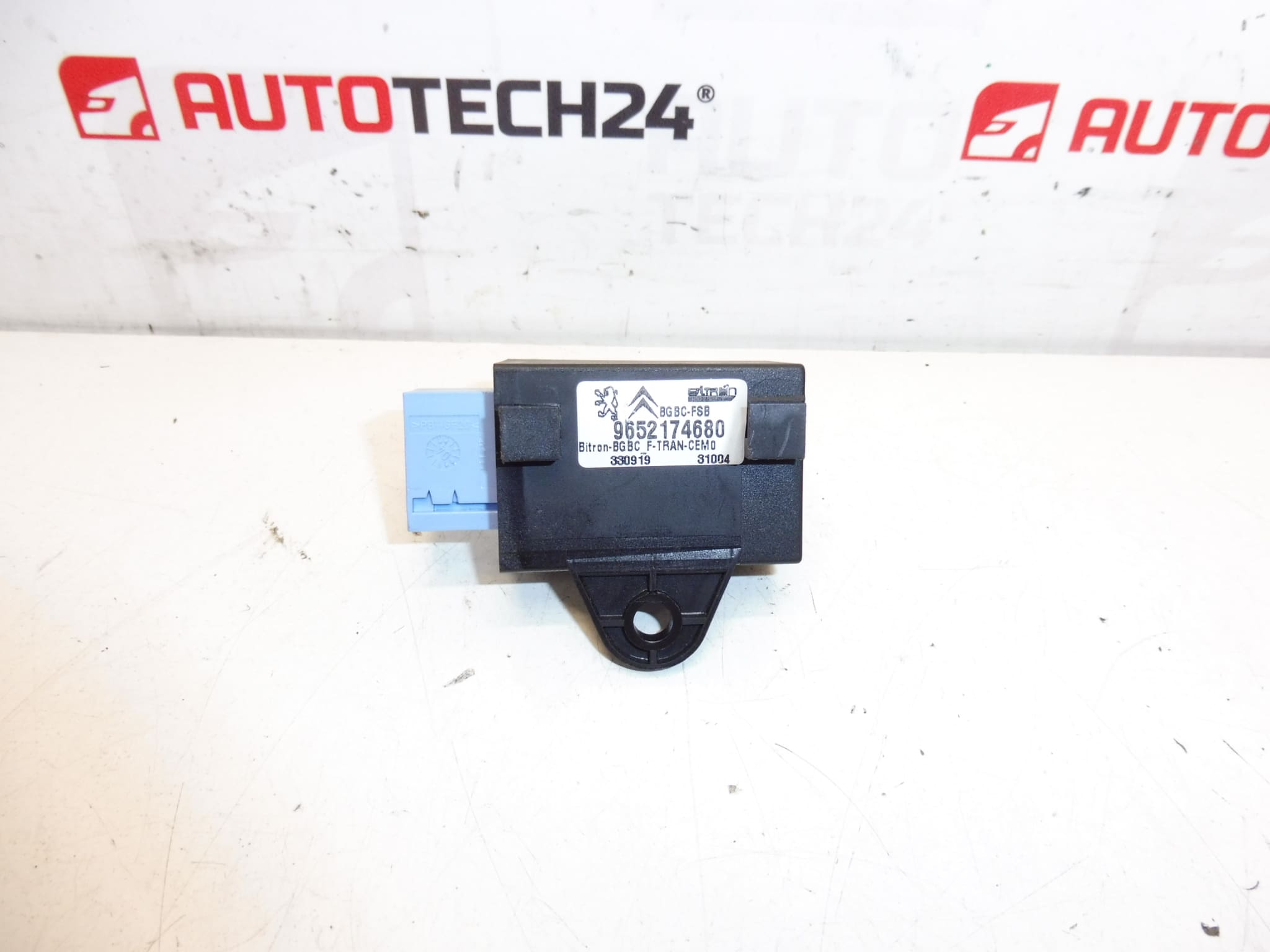
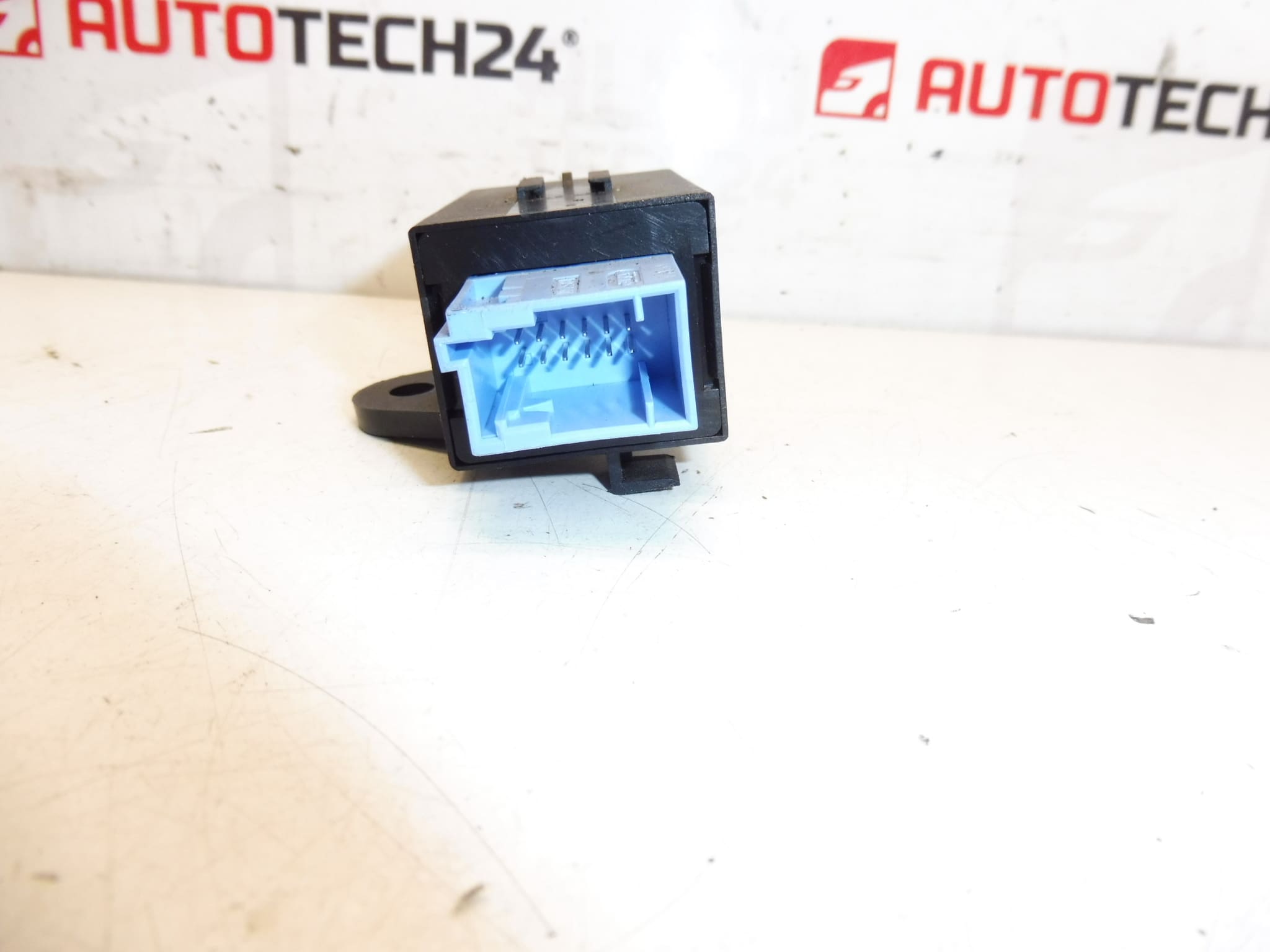
Electronic seat belt pretensioner control unit for Citroën and Peugeot vehicles
Description
This electronic seat belt pretensioner relay / control unit is designed for Citroën and Peugeot vehicles and is referenced under part numbers 9652174680 and 8914GH. The unit controls the electrical activation of the seat belt pretensioner system and works together with the vehicle restraint system to improve occupant safety in the event of a collision. Ideal for professional workshops and competent DIY mechanics who maintain or repair PSA-platform vehicles, this unit is commonly searched by its product codes (9652174680, 8914GH) when identifying compatible parts.
Technical Information
- Manufacturer: Stellantis (Citroën / Peugeot)
- Model: Citroën and Peugeot Vehicles (e.g., Peugeot 407)
- Product Codes: 9652174680, 8914GH
- Other Numbers: NFP
Function
The unit supplies and switches power to the Seat Belt Pretensioner circuit when commanded by the vehicle safety system (airbag/occupant sensing and crash detection module). It ensures a rapid, controlled activation of the pretensioner pyrotechnic element during a qualifying impact to reduce occupant movement. It also supports self-monitoring and reports electrical faults or open/short circuits to the airbag/occupant detection system, triggering warning lights or fault codes if a problem is detected.
Replacement Procedure
- Disconnect the Battery: Always disconnect the negative terminal and wait at least 10 minutes to discharge capacitors before starting work.
- Locate Unit: Depending on the model, the pretensioner relay/module is typically located in the B-pillar, under the seat or behind interior trim near the central safety electronics—consult the vehicle repair manual for exact location.
- Remove Trim and Fasteners: Use trim tools to remove interior panels and the required fasteners (Torx/screws) to access the unit. Keep all clips and screws for reassembly.
- Disconnect Connectors: Carefully unplug the electrical connectors, taking care not to damage locking tabs or pins. Inspect connectors for corrosion or damage.
- Swap Unit: Remove the old unit, install the replacement, and secure it with the original fasteners. Reconnect wiring harnesses ensuring full engagement of connector locks.
- Reassemble and Reconnect Battery: Refit trim panels, reconnect the battery, then clear related fault codes and perform system checks with a diagnostic tool compatible with PSA vehicles.
Installation Recommendations
- Always Disconnect The Battery Before Work: To avoid accidental deployment or damage to the unit and restraint system.
- Use Proper Tools: Trim tools, Torx bits and a quality diagnostic scanner (DiagBox/LEXIA/compatible PSA tool recommended for code clearing and system checks) speed up correct installation.
- Inspect Wiring And Connectors: Replace corroded connectors or damaged wiring; poor electrical connections are a common source of faults.
- Handle With Care: Avoid dropping or striking the unit. Do not attempt to open or repair the internal electronics—replace with a correct-quality unit.
- Clear Codes And Verify: After installation, clear crash and restraint system codes and verify that Airbag/Seat Belt warning lights extinguish. If the vehicle requires deeper initialization, use factory-level diagnostic procedures.
Reason For Most Common Failures
Failures are relatively uncommon under normal conditions but typically occur for these reasons:
- Post-Collision: Unit can fail after a crash or if the pretensioner has already been activated.
- Corrosion And Moisture Ingress: Water penetration or corrosion at connectors causes intermittent faults or permanent failure.
- Electrical Faults: Short circuits, voltage spikes, or damaged wiring can damage the relay electronics.
- Connector Damage: Broken pins, cracked housings or poor contact lead to error codes and non-operation.
- Age And Environmental Stress: Long-term exposure to vibration and temperature cycles may degrade components.
Symptoms Of A Faulty Unit
Typical signs that the pretensioner relay/control unit is faulty include illuminated airbag or seat belt warning lights on the dashboard, stored fault codes related to seat belt circuits or pretensioners, and failure of the pretensioner circuit during diagnostic tests.
Why Choose This Unit
Part numbers 9652174680 and 8914GH are commonly referenced when sourcing the correct seat belt pretensioner control unit for PSA vehicles. Replacing a defective pretensioner relay with the correct part restores system reliability and ensures occupant safety systems operate as intended. Suitable for professional mechanics and experienced DIYers comfortable with vehicle electrical systems.