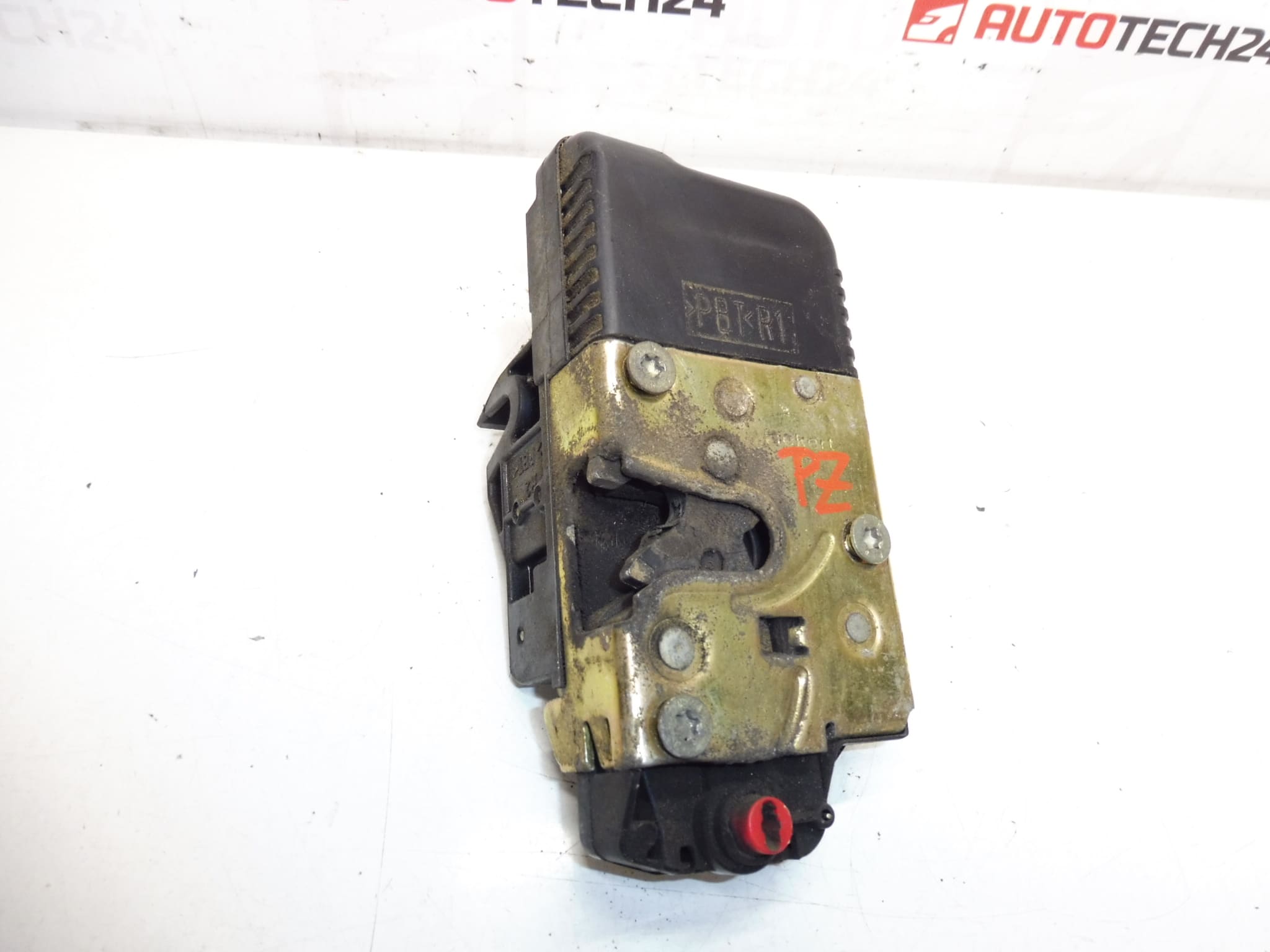
Description
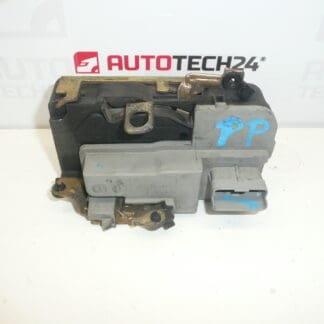
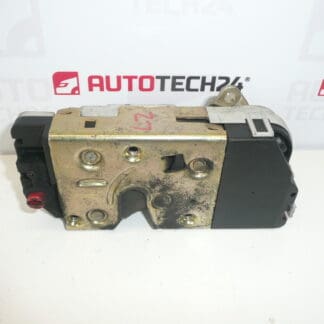
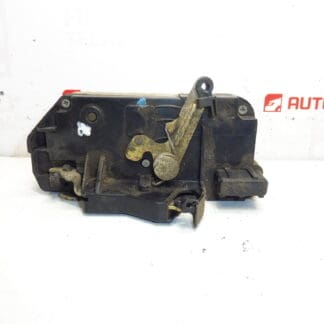
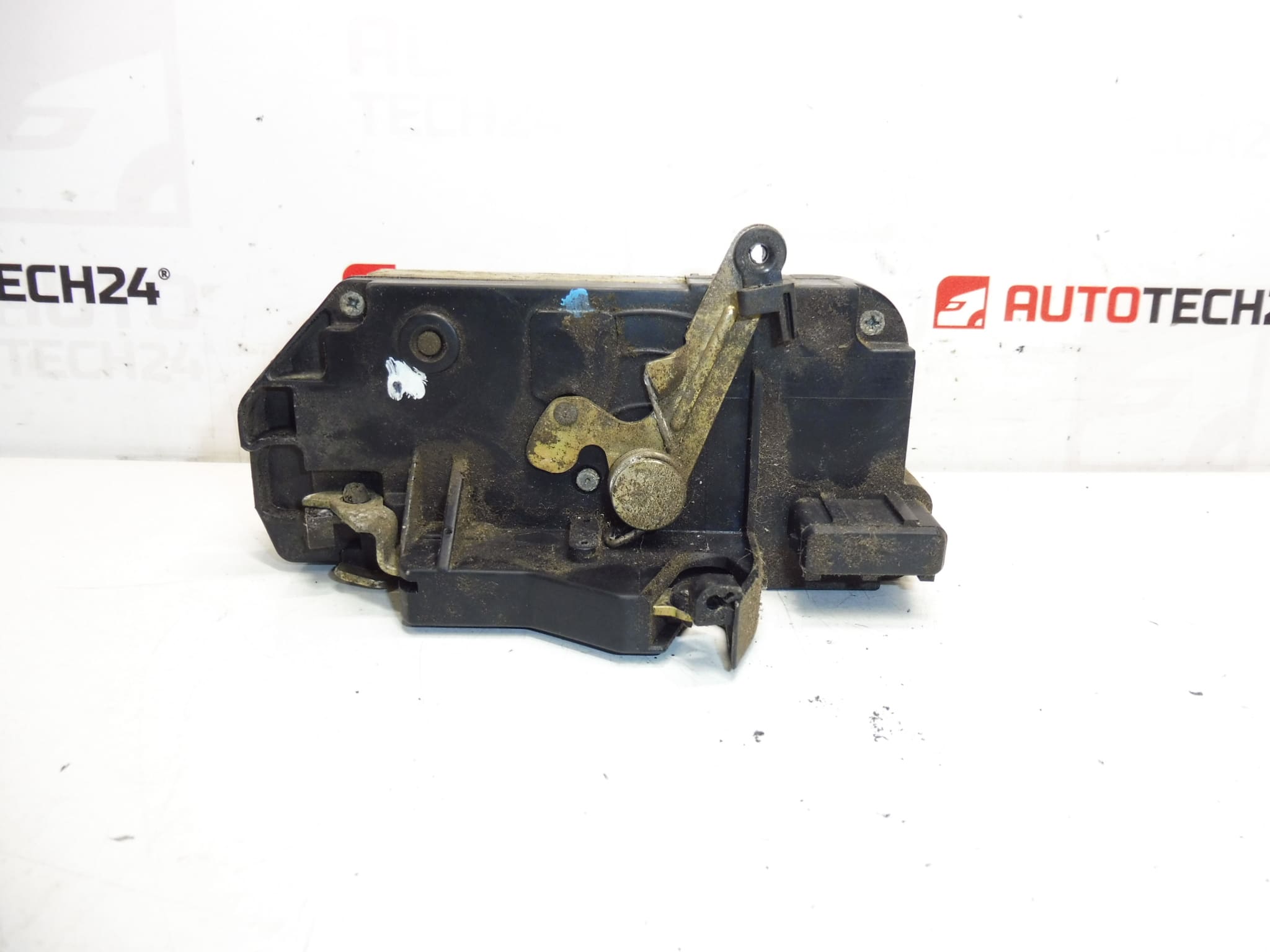
Right rear door lock for PEUGEOT 206 cars
Version without central locking
Side behind the passenger
Part description
The right rear door lock used is intended for Peugeot 206. This is a design without central locking, which is an important information when choosing the right part. Thanks to the marking 913868, it can be easily traced by product number, which is often decisive when purchasing spare car parts.
This part is suitable for repairing a malfunctioning or worn rear door locking mechanism. The advantage of used original parts is the precise processing and appropriate construction for the given type of car.
Technical information
- Manufacturer: Stellantis Citroën Peugeot
- Model: Peugeot 206
- Other numbers: 913868 NFP
Product codes
- Product codes: 913868, 913868 NFP
- Models: Peugeot 206
Installation recommendations
Generally/typically for this type of part, the exact replacement procedure may vary depending on the specific car design and the condition of the door mechanism. It is important to work carefully with the door lock to avoid damaging the pulls, door panel or attachment points.
1) Before assembly
- Compare the new and original part by shape, fit, position of controls and product number 913868.
- Verify that it is a right rear lock and a version without central locking.
- Check the condition of the mechanical parts, latch and moving parts.
- Before assembly, it is advisable to remove dirt from around the lock and to check the connecting mechanism of the door.
2) Necessary tools and materials
- A common set of hand tools
- Screwdrivers and possibly plastic levers for removing the lining
- Cleaning agent for mechanical parts
- Work gloves and suitable lighting
3) Step-by-step assembly procedure
- Secure the vehicle against movement and open the relevant door to the working position.
- Remove the inner door trim to gain access to the lock mechanism.
- Carefully disconnect or loosen the associated mechanical parts of the lock control, if attached.
- Remove the original lock after loosening its fastening.
- Compare the dismantled part with the spare part and verify that all important mounting points match.
- Clean the landing surfaces and the area around the mechanism in the door.
- Place the replacement lock in the correct place and check its position in relation to the following parts.
- Reattach the controls and tie rods so that they move freely without stuttering.
- Perform a basic check of the operation of the lock before reinstalling the trim.
- Reinstall the door trim, making sure all fasteners are seated properly.
-
4) Post-assembly checks and functional test verification
- Try several consecutive cycles of opening and closing the door.
- Verify that the lock engages and releases properly without excessive resistance.
- Check the function of the internal and external controls, if connected to the mechanism.
- Check that the door fits properly when closed and that there is no play caused by incorrect seating of the lock.
5) The most common assembly mistakes + how to avoid them
- Reversing the part side – always check that it is the right rear door before fitting.
- Incorrect design of the lock – check that the part corresponds to the variant without central locking.
- Damage to tie rods or trim – do not use excessive force during disassembly and assembly.
- Bad seating of the mechanism – before final assembly, always test the operation of the lock on a clean surface.
- Overlooking dirt and wear in the surroundings – cleaning the mounting area will often help prevent repeated problems with the operation of the lock.
Reasons why the part is damaged
- Long-term mechanical wear during normal use of the door
- Clogging of the mechanism with dust, dirt or moisture
- Corrosion of the internal parts of the lock
- Excessive force when opening or closing the door
- Damage to downstream controls that transfer unusual loads to the lock itself