Description
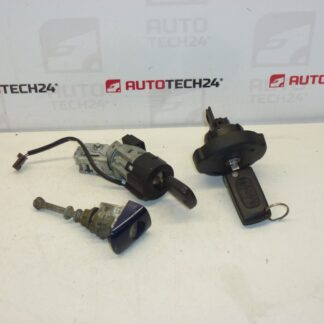
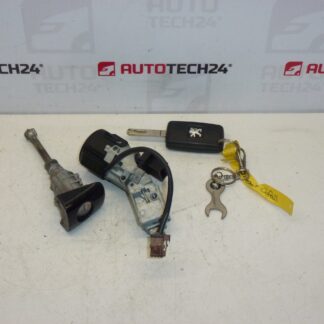
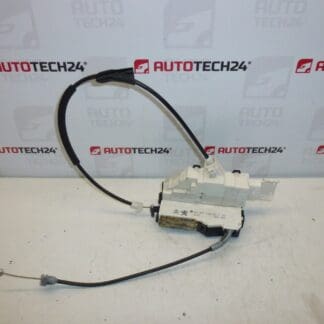
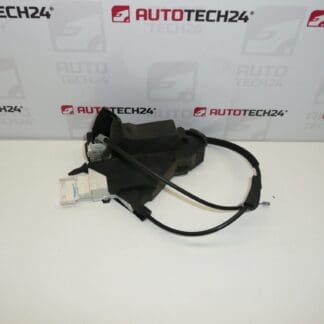
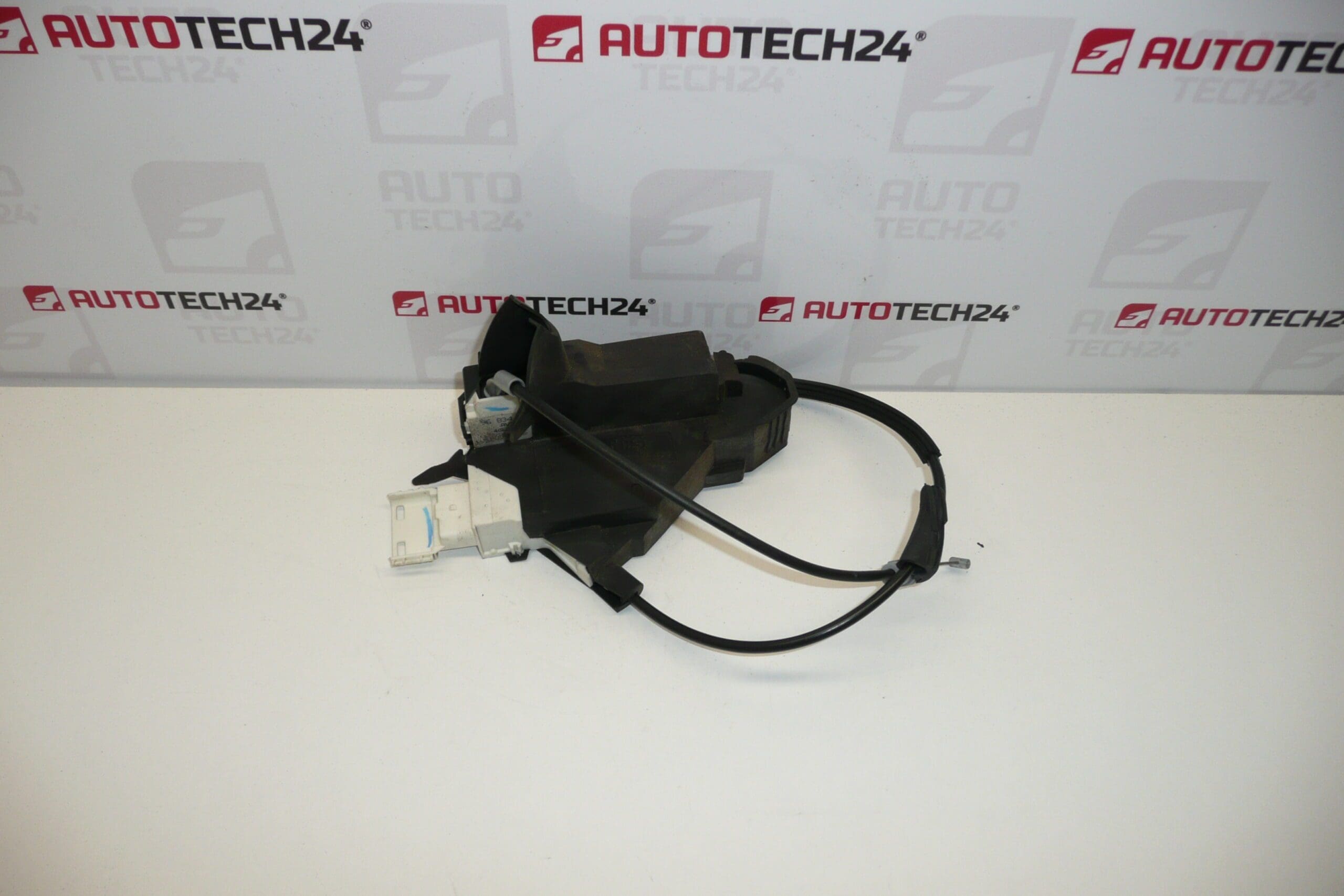
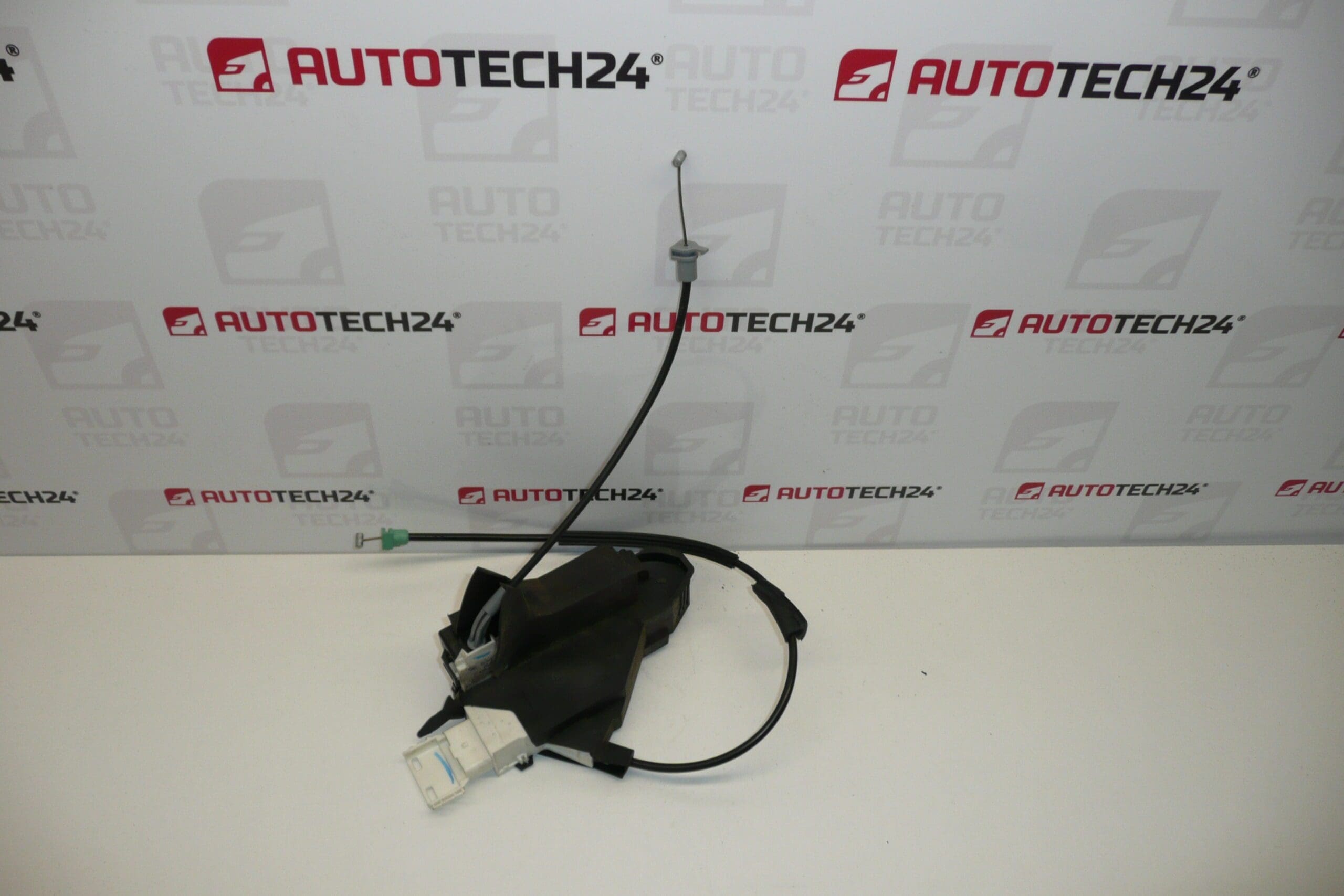
Electric central locking lock for the right front door for Citroën C4 5-door first series. Passenger Door.
This Electric Central Locking Lock (right front/passenger door) is an ideal replacement part for mechanics and DIY enthusiasts servicing Citroën C4 5‑door vehicles (first series). The unit restores reliable central locking operation and is referenced under several OE numbers commonly used in Stellantis parts catalogues, which makes it easy to find by part number. Robust design ensures direct replacement of the original door lock assembly and quick return to full vehicle security and convenience.
Technical Information
- Manufacturer: Stellantis / Citroën
- Model: Citroën C4 (5‑door, First Series)
- Product Codes: 9683415980; 9660699780; F03; 9647172680
- Additional Numbers: 9136ES; 9136AG; 9136R8
Compatibility
Primary fitment for Citroën C4 5‑door (first series) right front (passenger) door. May correspond to other Stellantis vehicles that share the listed OE numbers; confirm fitment by matching part numbers.
Function
The unit operates the central locking mechanism in the door: it receives electric pulses from the car’s locking system and converts them into mechanical movement to lock and unlock the latch. It also links to the interior/exterior handles and the central locking rods. Proper function guarantees door latching, central locking response to remote/key, and safety of the door locking system.
Common Failure Modes
- Water Ingress And Corrosion: Moisture entering the lock body causes corrosion on electrical contacts and motor components.
- Worn Or Broken Plastic Gears: Mechanical wear or gear breakage prevents the actuator from moving the latch.
- Motor Burnout Or Electrical Faults: Over time the small DC motor can fail or connectors/cabling can develop intermittent faults.
- Mechanical Jamming: Debris or damaged latch components can block movement.
- Connector Or Wiring Damage: Frayed wires or poor connector contacts cause intermittent operation.
Replacement Procedure
Typical replacement steps (general guidance):
- Disconnect Battery: Before starting, disconnect the negative battery terminal to avoid short circuits and accidental actuation.
- Remove Door Trim: Unscrew and carefully remove the interior door card to access the lock and actuator. Keep clips and screws organized.
- Access Lock Mechanism: Peel back the moisture/vapor barrier to expose the lock assembly and linkage rods.
- Disconnect Electrical Connector: Unplug the actuator wiring harness carefully to avoid damaging terminals.
- Release Linkage Rods: Detach the rods from the actuator using suitable tools and note their routing for reinstallation.
- Unbolt And Remove: Remove the fasteners securing the lock assembly and extract the unit from the door.
- Install New Unit: Fit the replacement lock, secure fasteners, reconnect rods and the electrical connector, and restore the moisture barrier.
- Test Before Reassembly: Reconnect battery, test locking/unlocking with key and central locking to confirm correct operation before refitting the door card.
- Reassemble Door Trim: Refit trim panels and check for correct handle and lock operation.
Installation Recommendations
- Use Proper Tools: Panel removal tools, small pliers for clips, and a multimeter for electrical checks are recommended.
- Check Linkage Condition: Inspect rods, clips, and the latch for wear; replace any damaged components to avoid premature failure of the new lock.
- Seal Against Moisture: Ensure the moisture barrier is correctly reinstalled and any door drainage is clear to reduce risk of water ingress.
- Test Thoroughly: Verify locking/unlocking from remote, door switch, and manual key operation before final assembly.
- Professional Help: If electrical faults persist or if you are unsure about removing door components, have the unit fitted by a qualified technician.
Why The Part Most Commonly Fails
Failure is usually caused by environmental exposure and mechanical wear: water and road salt penetrate the door cavity, leading to corrosion and shorting of the actuator motor or electrical contacts. Plastic gear wear and dirt buildup inside the mechanism are also frequent causes. Regular inspection of door seals and prompt replacement of worn linkages reduce the likelihood of failure.