Description
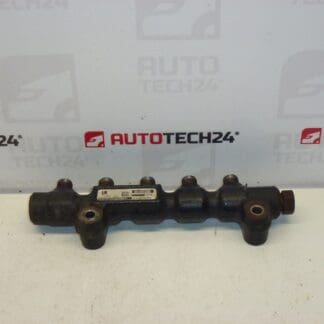
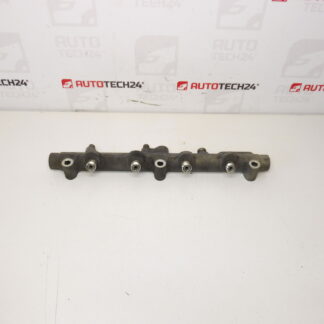
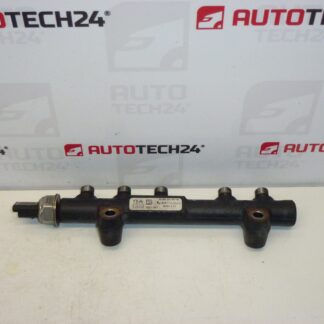
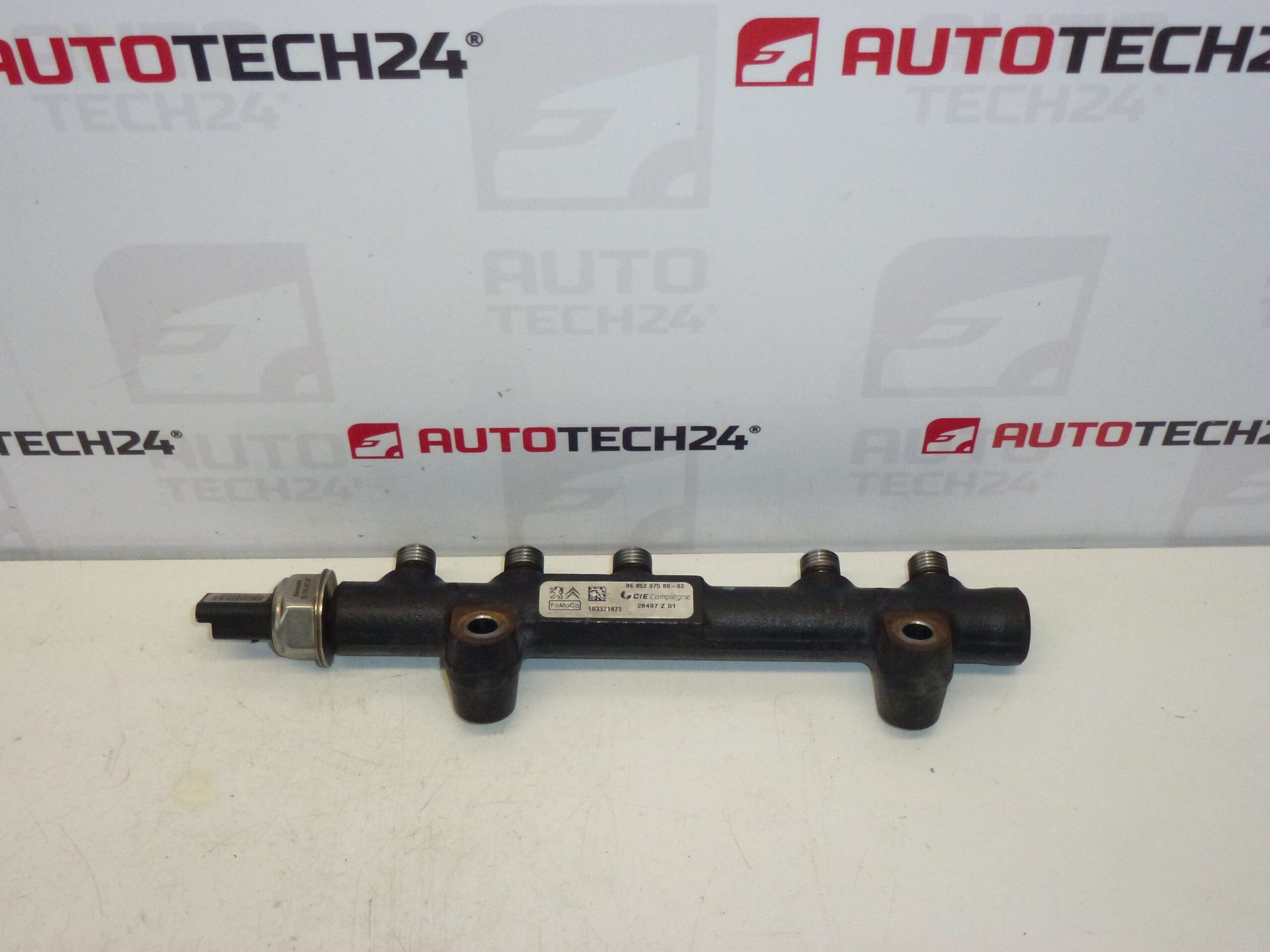
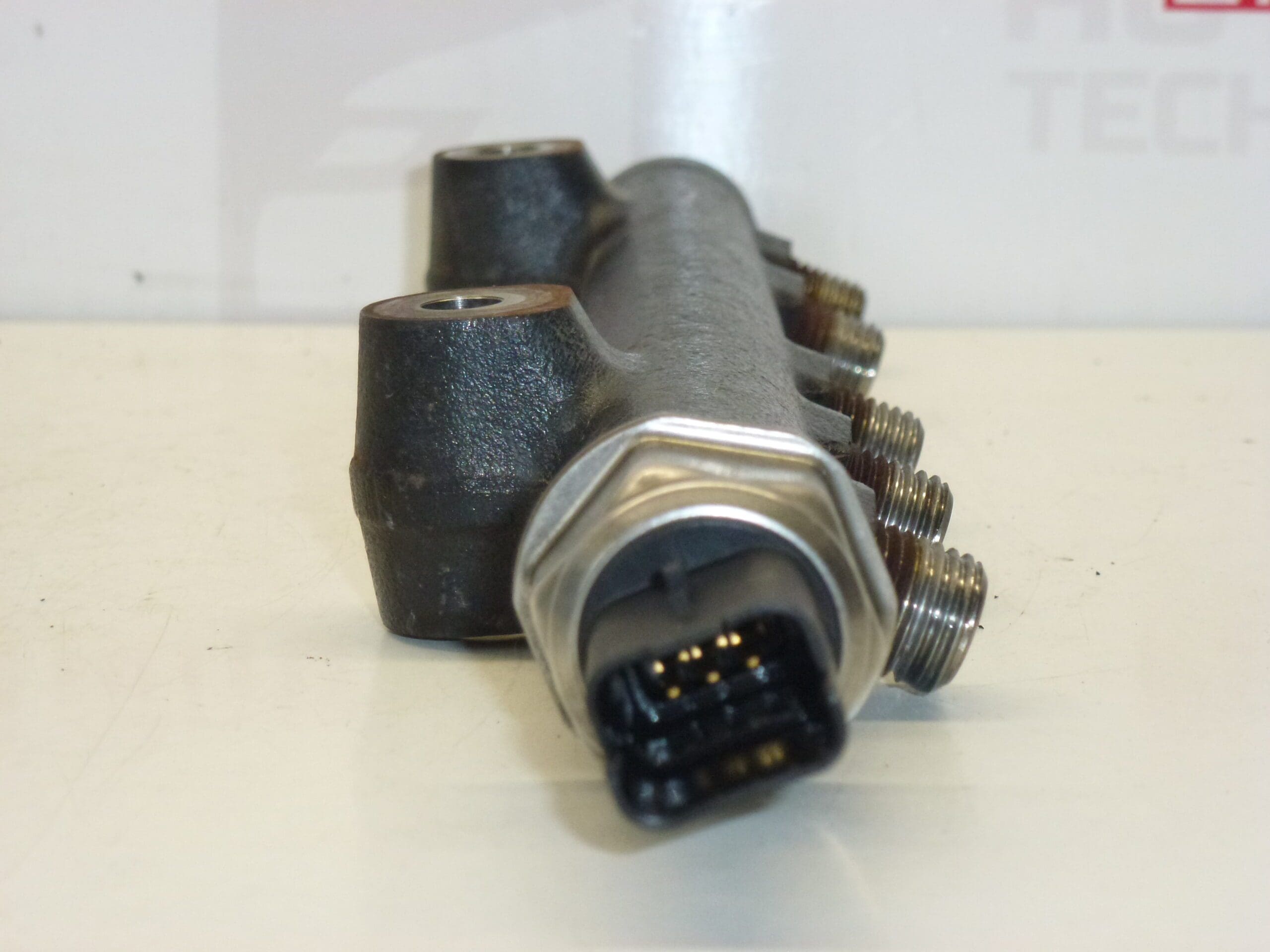
Fuel rail for 1.4 HDi and 1.6 HDi e-HDi engines, including fuel pressure sensor. Injector feed rail.
Overview
This fuel rail is a direct-fit supply rail for PSA Group 1.4 HDi and 1.6 HDi e-HDi engines. It houses the fuel pressure sensor and supplies high-pressure fuel to the injectors. Designed for Citroën and Peugeot applications, the rail is frequently searched for by its part numbers (9685297580, 1570Q4, 1570P7) and is aimed at professional technicians and experienced DIYers performing injector or fuel-system repairs.
Key Benefits
- Complete solution including fuel pressure sensor: simplifies replacement and diagnostics of rail-related pressure faults.
- OE-reference part numbers included for fast lookup and compatibility checks.
- Direct-fit geometry for correct injector alignment and sealing on supported PSA engines.
Technical Information
- Manufacturer: Stellantis (Citroën / Peugeot)
- Model: 1.4 HDi, 1.6 HDi, e-HDi Engine Applications
- Product Codes: 9685297580
- Additional Numbers: 1570Q4, 1570P7
Compatible Models (Typical)
Common vehicle applications include: Citroën C3 Picasso; Peugeot 3008 I; Peugeot 301; Peugeot 308; Peugeot 5008 I. Compatibility depends on engine variant and model year—verify against the vehicle’s engine type and part number before installation.
Function And Failure Modes
The fuel rail distributes high-pressure diesel to the injectors and provides a mounting point for the fuel pressure sensor. Typical failure causes include:
- Contaminated fuel or particulate buildup that clogs injector ports or sensor inlet.
- Damaged or hardened injector O-rings leading to external leaks and pressure loss.
- Corrosion or impact damage to the rail body causing internal leaks or cracks.
- Pressure sensor malfunction producing incorrect rail-pressure readings and triggering engine warning lights or limp modes.
Replacement And Service Recommendations
Recommended steps for safe replacement (for experienced technicians or competent DIYers):
- Relieve fuel system pressure according to the vehicle manufacturer’s procedure to avoid fuel spray.
- Disconnect the battery and isolate the electrical system to reduce risk of sparks while working on the fuel system.
- Remove intake components as needed to gain access to the rail and injectors.
- Disconnect electrical connectors from the pressure sensor and injectors, and carefully detach fuel lines using appropriate tools to avoid damage to quick-connect fittings.
- Unscrew the rail mounting bolts and lift the rail assembly clear of the injectors. Note whether injectors remain in the head or are removed with the rail on your engine variant.
- Replace all injector O-rings and seals during reassembly. Install the new rail and torque mounting bolts to manufacturer specifications.
- Prime the fuel system, check for leaks, and verify correct rail pressure and sensor output. Clear any fault codes and perform a test run.
Recommended replacement items: new injector O-rings, sealing washers, and, if applicable, the fuel pressure sensor. Use a calibrated torque wrench and fuel-line release tools where required.
Why The Part Usually Fails
Fuel rails typically fail due to contamination from poor-quality fuel or a deteriorating fuel filter, which leads to clogged injector ports or sensor blockage. External leaks are commonly caused by worn O-rings or incorrect seating during earlier servicing. Mechanical damage and corrosion from moisture or debris can also compromise the rail’s integrity.
Installation Tips
- Always replace injector O-rings and any crush washers when installing a new rail to ensure leak-free joints.
- Work in a clean area to prevent contamination of the rail and injectors during fitting.
- After installation, prime the system and inspect all connections for leaks before starting the engine.
- Use diagnostic tools to verify correct rail pressure and sensor signals after fitting.
Notes For Professionals
This component is intended for technicians and skilled DIYers comfortable with diesel common-rail systems. Proper tools, cleanliness and adherence to PSA service procedures significantly reduce the risk of rework and leaks. If injector removal or rail replacement is combined with high-pressure pump service, follow all relevant safety protocols for high-pressure diesel systems.