Description
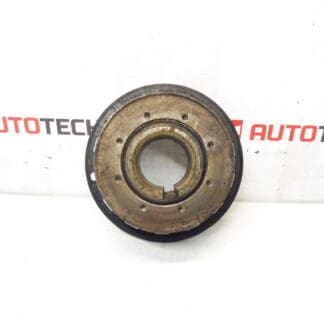
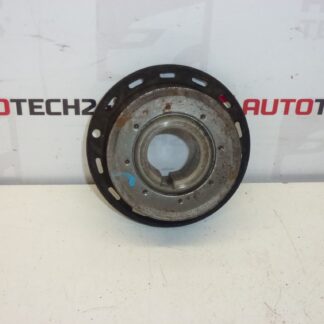
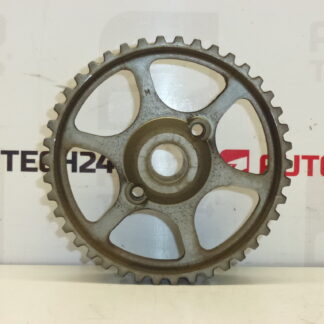
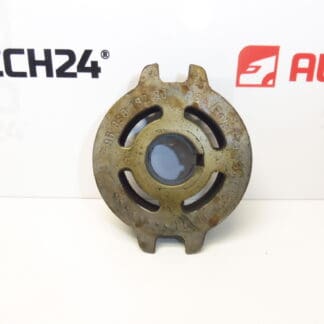
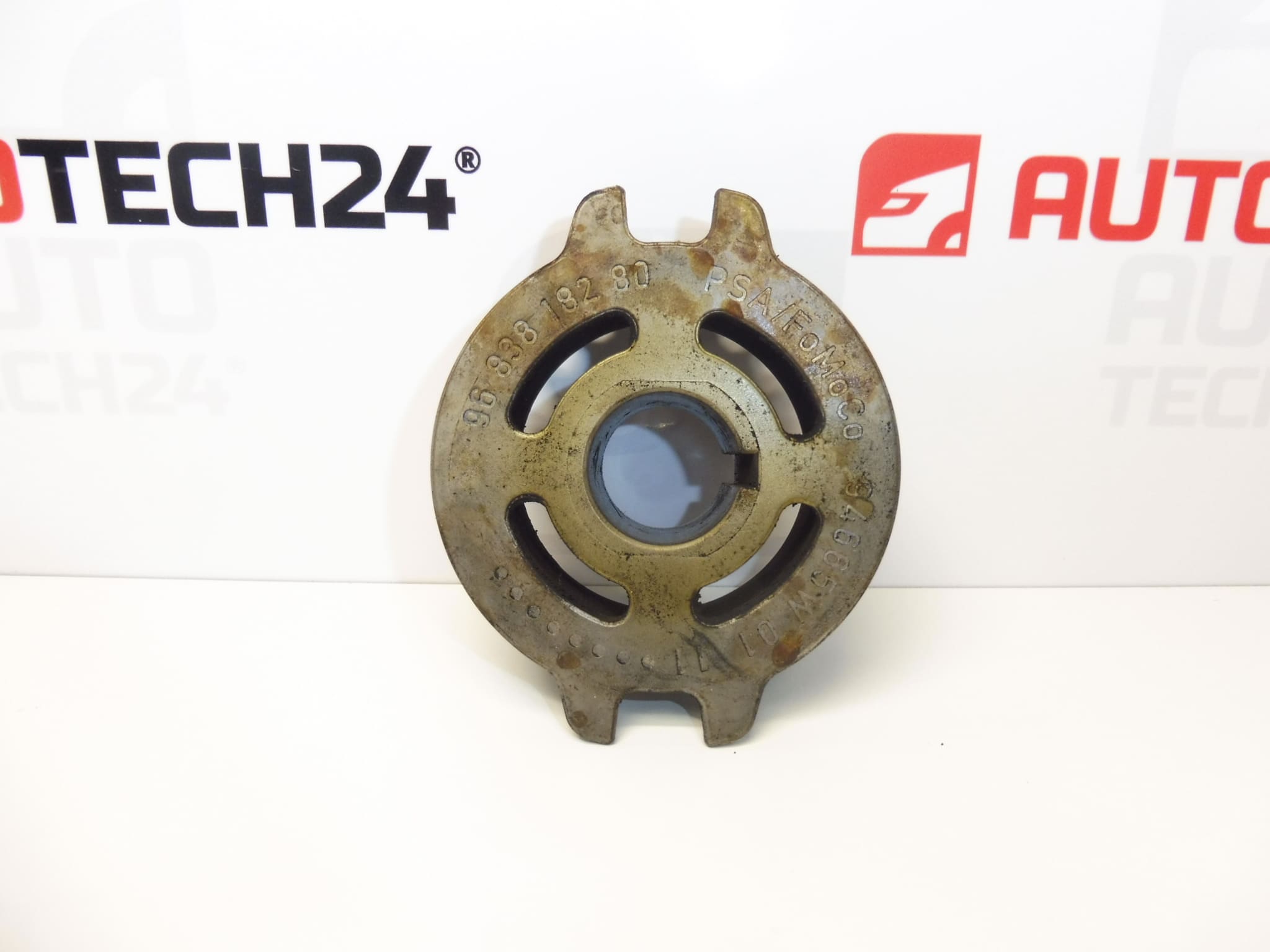
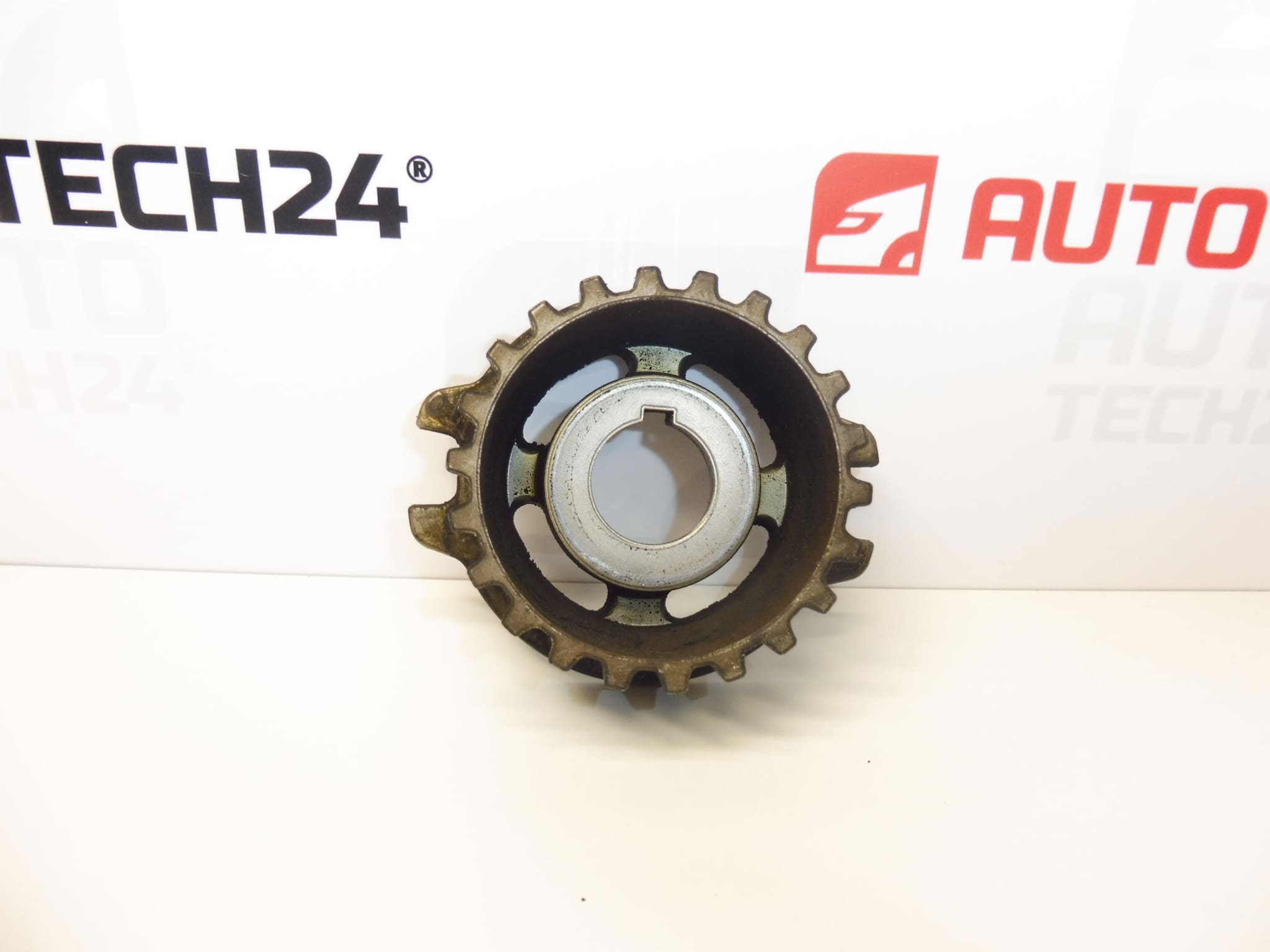
Injection pump gear for 1.4 eHDI and 1.6 eHDI engines for CITROEN and PEUGEOT cars
Part description
The injection pump toothed pulley used is used to transmit the drive to the pump via a toothed belt. It is intended for applications with the 1.4 eHDI and 1.6 eHDI engines listed in the documents. When looking for a spare part, the main identifiers are 9683818280 and 193047.
This is a solution for replacing a damaged gear if the pump itself is still serviceable. Before choosing, compare the marking, construction and attachment method with the dismantled part. Matching the model name or engine alone is not enough to determine the correct design.
Technical information
- Manufacturer: not specified; the documents indicate the name Stellantis CITROEN PEUGEOT.
- Model: Citroën Berlingo B9, Citroën C3 Picasso, Citroen C4 II, Citroën C4 PICASSO, Peugeot 308, Peugeot Partner Tepee.
- Engines mentioned in the description: 1.4 eHDI and 1.6 eHDI.
- Part Type: Injection Pump Gear / Pulley.
- Condition: used car part.
- Other numbers: not specified.
The models are taken from the product labels. The specific years and models of the cars are not listed in the documents.
Product codes
- Product codes: 9683818280, 193047.
When comparing with the original gear wheel, base yourself on these markings and at the same time on its mechanical design.
Installation recommendations
In general for this type of part: replacing the pump gear requires proper drive securing and following the engine manufacturer’s procedure. The following procedure is general; exact disassembly, locking and adjustment depends on the specific model and design of the car. If the intervention involves the timing mechanism, entrust the work to a mechanic with the appropriate equipment.
1) Before assembly
- Compare the part codes, wheel shape and dimensional design, gear profile, center hole and mounting method with the old piece.
- Check the used part for cracks, deformations, damaged teeth, corrosion and wear of the contact surfaces. Do not install a damaged or mismatched part.
- Inspect the condition of the belt, related tensioning and guiding elements and the pump bearing. Find out the cause of the original damage so that the defect does not happen again.
- Prepare a service procedure for a specific engine, including requirements for locking and reuse of fasteners.
2) Necessary tools and materials
- Common mechanical tools and torque wrench.
- Arresting and holding devices corresponding to the specific engine and service procedure.
- Possible tightening agent, if prescribed by the manufacturer.
- Suitable cleaning agents for metal contact surfaces, clean cloths and protective equipment.
3) Step-by-step assembly procedure
- Secure the vehicle against movement, allow the engine to cool and prevent it from starting unintentionally according to the service procedure.
- Access the pump drive by removing the necessary covers and surrounding components. Their range depends on the design of the car.
- Set the mechanism in the prescribed service position and use the required locking devices. Don’t just rely on custom brands.
- Check the routing and condition of the belt and note any signs of uneven running or contamination.
- Release the tension and remove the belt from the wheel according to the manufacturer’s instructions. After releasing the drive, do not rotate the individual parts of the mechanism independently, unless the service procedure allows it.
- Hold the wheel with the designated tool and loosen its fastening. Do not use the arresting device to capture the release force if it is not intended for this purpose.
- Dismantle the original wheel without prying through the teeth and without hitting the pump shaft. If a puller is required, use the appropriate design.
- Clean and inspect the contact surfaces and mounting. Remove the cause of any contamination or damage and compare the two parts again.
- Fit the spare wheel in the correct orientation and seat it without force. Tighten the fasteners according to the manufacturer’s specifications; observe any requirement for new fasteners.
- Restore the belt guide and tension according to the prescribed procedure. The belt must not be twisted, dirty or improperly seated in the teeth.
- Remove the jigs in the prescribed order and perform a manual check of movement, adjustment and tension according to the service documentation. If there is unusual resistance, do not proceed with force.
- Reassemble the covers and other removed parts. Before starting, check that there are no tools or locking devices left in the drive compartment.
-
4) Post-assembly checks and function verification
Start the engine only after completing all the prescribed checks. Watch for unusual noise, vibrations and possible leaks in the vicinity of the repair being carried out; keep away from moving parts. If it runs erratically or makes unusual noises, switch off the engine immediately. If the function is faultless, carry out a short test drive and then visually inspect the accessible parts with the engine off.
5) The most common assembly mistakes and how to avoid them
- Swapping a similar-looking wheel: compare codes and mechanical design, especially gearing and mounting.
- Insufficient detent or incorrect drive setting: use the specified tools and service procedure for the specific engine.
- Damage to the teeth when loosening: do not hold the wheel with an accidentally inserted tool and do not pry on the teeth.
- Incorrect tightening or tensioning of the belt: refer to the manufacturer’s data, not an estimate.
- Leaving the cause of the original failure: resolve a damaged belt, driveline failure, or pump bearing problem before starting.
Reasons why the part is damaged
For pump drive gears, the following causes can generally lead to damage. This is not a description of the detected condition of the offered piece:
- Long-term gear wear and operation with a damaged or incorrectly guided belt.
- Incorrect belt tension which increases the load on the drive or causes irregular engagement.
- Backlash in mounting or drive misalignment, leading to uneven wheel loading.
- Increased resistance or seizing of the driven pump which can overload the gearing and mounting.
- Mistakes during disassembly and assembly, such as knocks, prying by the teeth or incorrect tightening.
- Foreign objects, corrosion and contamination of the drive which can interfere with proper engagement and accelerate wear.