Description
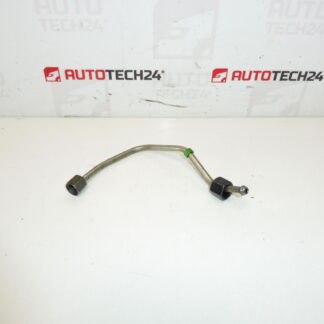
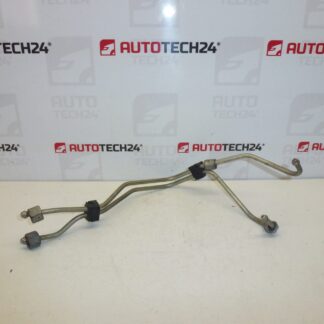
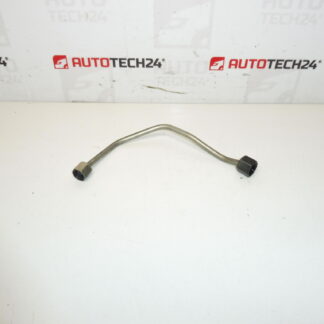
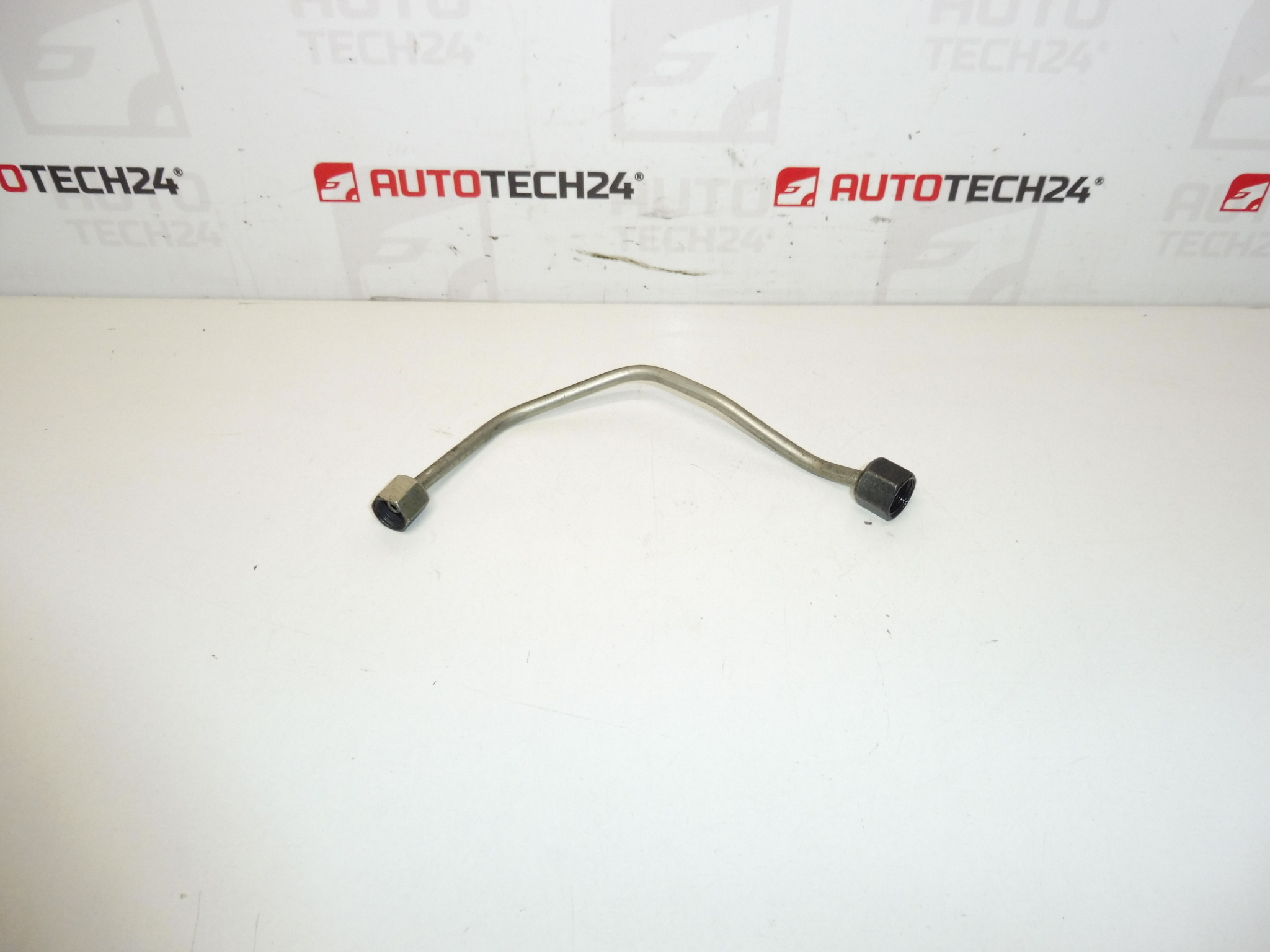
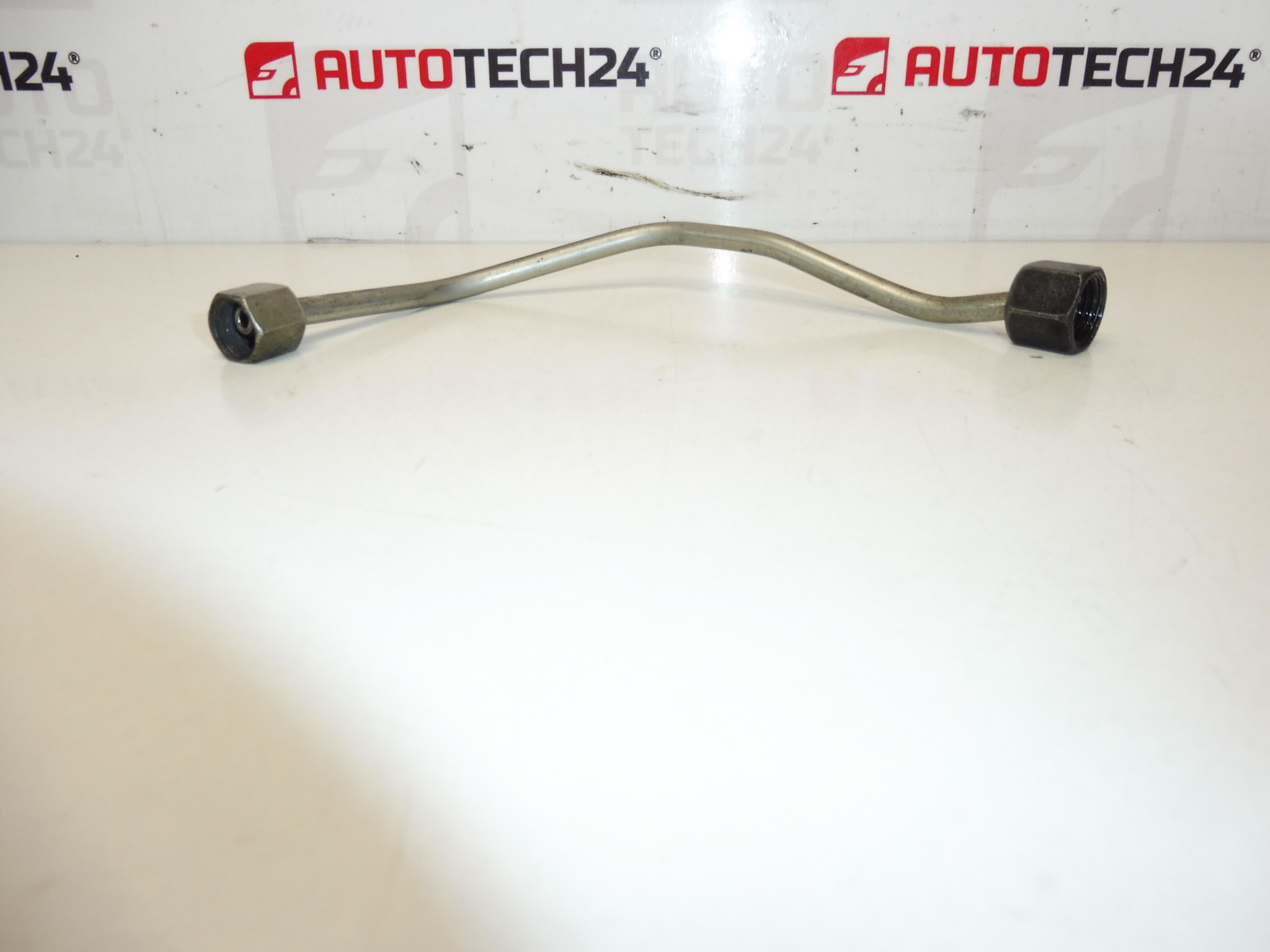
Fuel supply pipe to the third cylinder for the RAIL in 1.4 HDi and 1.6 HDi e-HDi engines.
This high-quality replacement fuel injection supply pipe (part number 1570Q1) is designed for the injection rail feeding the third cylinder on select Citroën and Peugeot diesel engines. It provides a secure, leak-free connection between the common rail and the injector, ensuring correct fuel delivery and stable rail pressure under all operating conditions. Ideal for professional mechanics and experienced DIYers performing diesel fuel-system repairs or rail component replacements.
Technical Information
- Manufacturer: Stellantis / Citroën / Peugeot
- Model: Fits 1.4 HDi and 1.6 HDi / e-HDi Engines
- Product Codes: 1570Q1
- Additional Numbers: OEM Reference: 1570Q1 (use this code when searching for exact fitment)
Compatibility And Fitment
The pipe is intended for vehicles equipped with 1.4 HDi or 1.6 HDi / e-HDi diesel engines using a common rail (RAIL) injection system. Search by product code 1570Q1 to locate exact applications for specific model years and variants. Designed for direct replacement where the original feed line attaches to the third-cylinder injector rail.
Installation Recommendations
- Relieve fuel system pressure before starting work to avoid fuel spray and personal injury.
- Work in a well-ventilated area, keep ignition sources away, and wear appropriate PPE (gloves and eye protection).
- Clean the surrounding area thoroughly to prevent contamination entering the fuel system during replacement.
- Always replace sealing elements (O-rings, copper washers or crush washers) at the connections—old seals commonly cause leaks.
- Hand-start fittings, then tighten to the manufacturer’s torque specification. Avoid over-tightening metal lines to prevent cracking.
- After installation, prime the fuel system and check for leaks at idle and under load. Bleed air from the rail/injectors according to vehicle procedure.
Why This Part Most Commonly Fails
- Age and Material Fatigue: Repeated vibration and thermal cycling can cause small cracks or fractures in the pipe.
- Corrosion: Moisture and contaminants in fuel or the engine bay can corrode fittings and weaken the metal over time.
- Damaged Seals: Hardened or incorrectly seated O-rings and washers lead to leaks at connection points.
- Impact Or Mechanical Damage: Road debris or improper removal/installation can dent or deform the line, compromising sealing.
- Poor Fuel Quality Or Contamination: Particulates or water in diesel can accelerate wear in the rail and connections.
Notes For Mechanics And DIYers
Keep the product code 1570Q1 to hand when ordering replacement parts or searching catalogs. When replacing fuel lines, always inspect adjacent components such as injectors, rail brackets, and high-pressure hose clamps—damage or wear in those items can affect the new pipe’s performance. Proper cleanliness and correct sealing parts are critical to a long-lasting repair.