Description
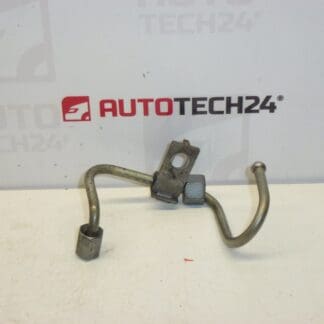
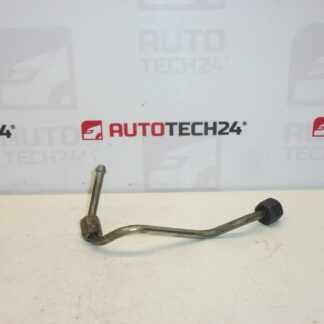
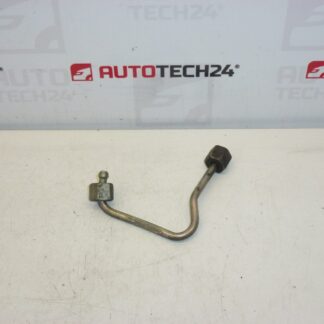
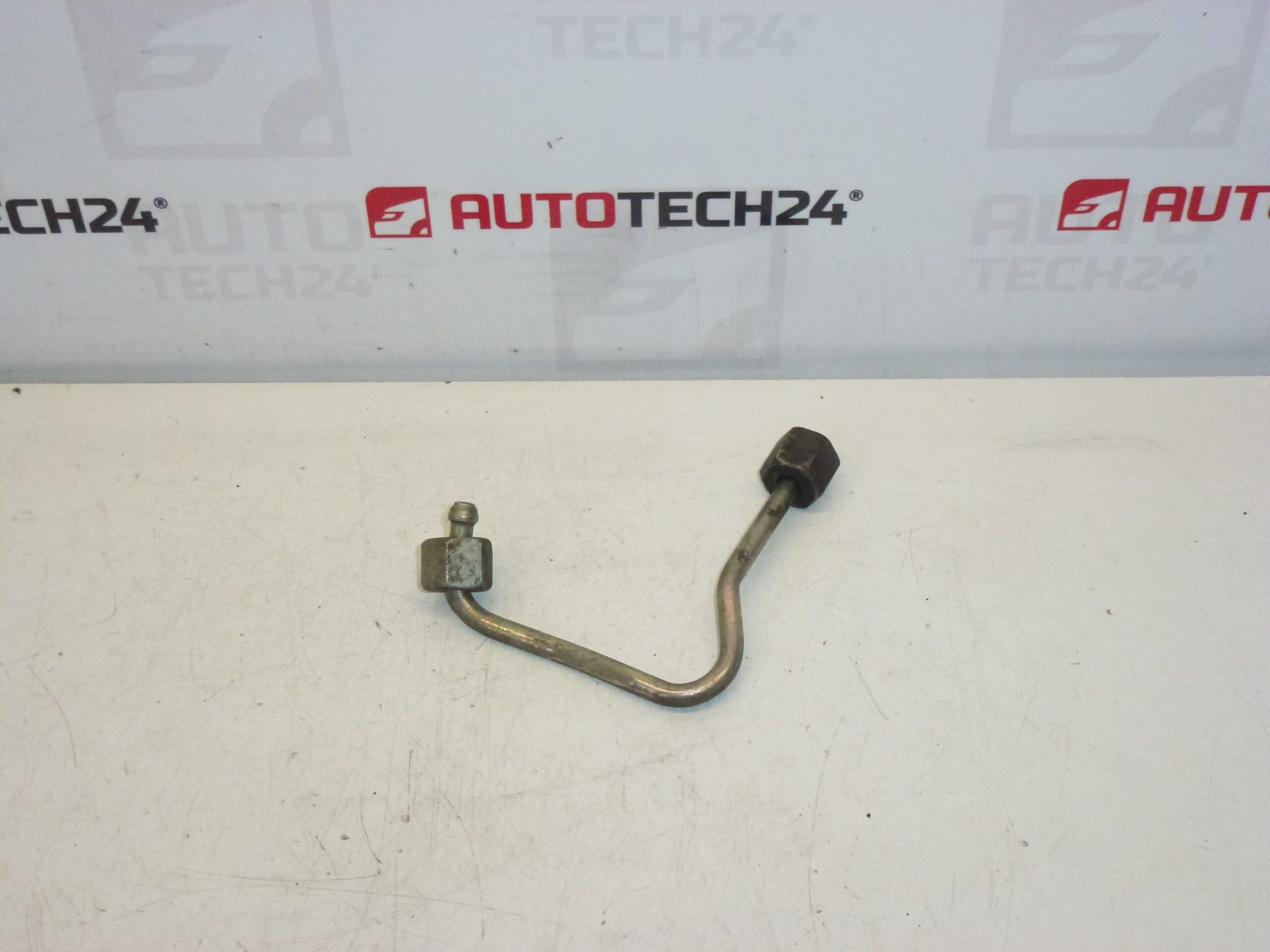
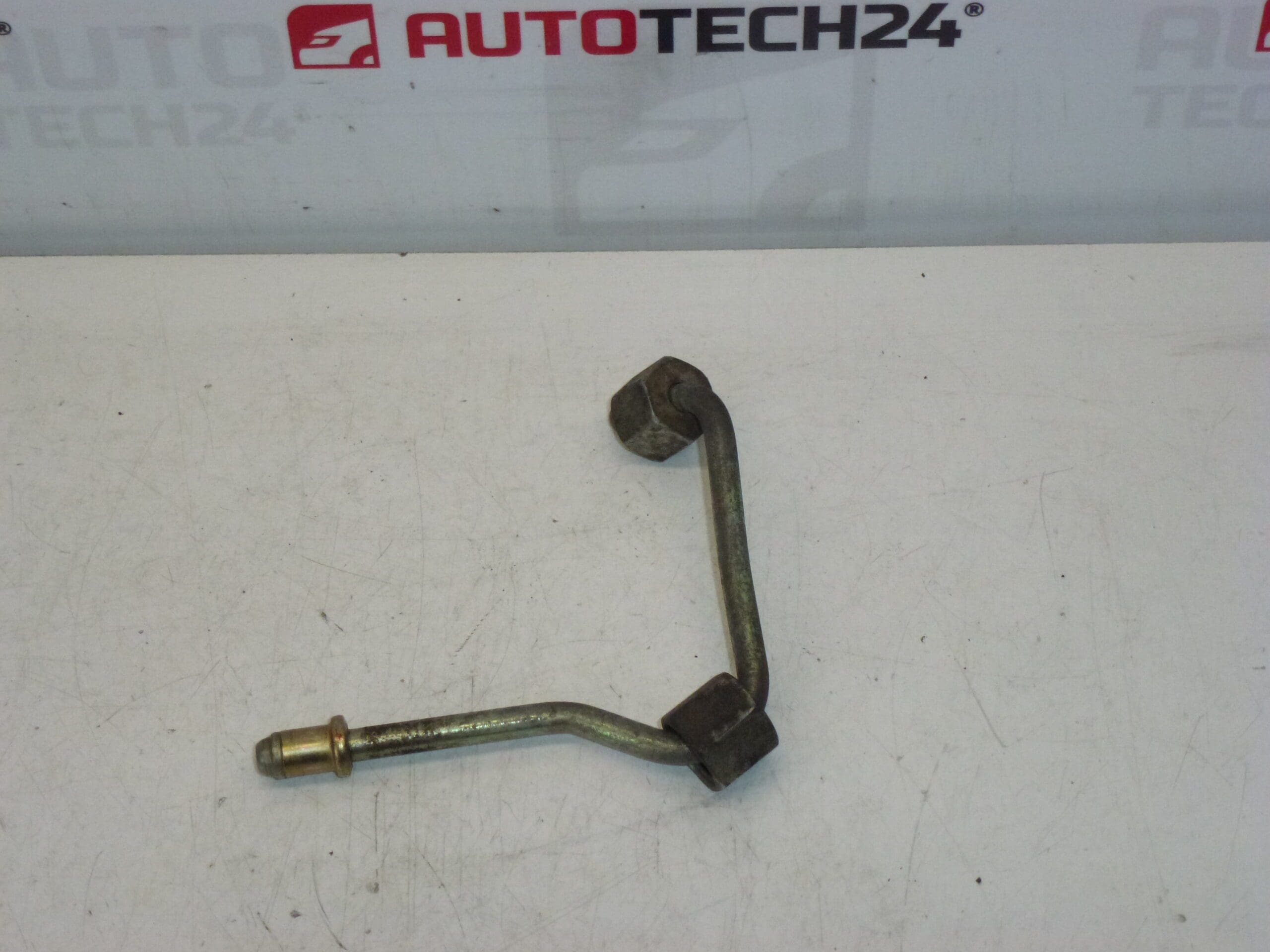
Outlet Pipe Of The Injection Pump For 2.0 HDi 90 (66 Kw) Engine RHY / DW10TD With Siemens System. Used – Fully Sealed.
Product Overview
This fuel rail/pipe is the outlet line from the high-pressure injection pump for 2.0 HDi engines (90 hp / 66 kW) with RHY / DW10TD engine codes and Siemens fuel system. The part is used and delivered fully sealed. It is a direct-fit component designed to route high-pressure diesel from the injection pump to the common rail or injector feed on compatible Citroën and Peugeot models.
Who Should Buy
Designed for professional mechanics and experienced DIYers who maintain or repair Peugeot and Citroën diesel engines. The part is often searched by part number (1570C2), so having the correct code speeds up identification and ordering in workshop environments.
Compatibility
Common Applications: Citroën Berlingo, Citroën Xsara, Peugeot 307, Peugeot Partner.
Engine Fitment: 2.0 HDi (RHY / DW10TD), 90 hp (66 kW) with Siemens injection system.
Function
The outlet pipe transfers high-pressure diesel from the injection pump to the rail or injector feed. It must withstand high pressure, temperature cycles and vibration while maintaining absolute sealing at flared or banjo connections. Proper sealing and undamaged fittings are essential to avoid leaks and maintain fuel pressure for correct injection timing and engine performance.
Technical Information
- Manufacturer: Stellantis / Citroën / Peugeot
- Model: 2.0 HDi 90 (66 kW) – Engine Codes RHY / DW10TD; Compatible With Citroën Berlingo, Citroën Xsara, Peugeot 307, Peugeot Partner
- Product Codes: 1570C2, NFP
- Other Numbers: No Additional Numbers Available
Installation Recommendations
Only qualified personnel or an experienced DIYer with the right tools should fit high-pressure fuel lines. Recommended steps: relieve fuel system pressure before work, keep the work area clean to avoid contamination, replace any copper crush washers or seals with new ones, use correct torque values from the vehicle manufacturer for fittings, and check all connections for leaks after initial run. Work in a well-ventilated area, avoid open flames or sparks, and wear appropriate eye protection and gloves.
Why This Part Most Often Fails
Common failure causes include mechanical damage (impact or bending), corrosion, deterioration of sealing surfaces or crush washers, vibration-induced loosening, and contamination or debris causing wear at connection points. Improper installation or reusing old seals can also lead to leaks. In high-mileage vehicles the metal pipe or fittings can be weakened by repeated thermal cycles and road corrosion.
Notes For Buyers
This is a used part supplied fully sealed. Verify visual condition on receipt and replace associated seals and washers during installation. Searching by the product code 1570C2 will help you find the correct replacement quickly in parts databases and workshop catalogs.