Description
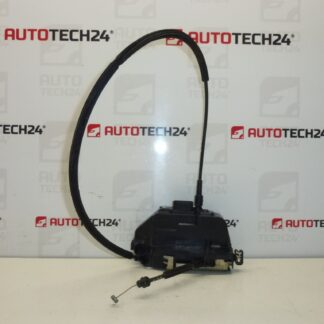
Electric lock of the central locking of the right front door PEUGEOT 307
There are two visual but 100% interchangeable designs
Passenger door
Part description
This used right front passenger door lock is for Peugeot 307 cars. It is an electric central locking lock, which is an important part of the correct function of locking and unlocking the door. Given the product designation 9136L2, it is easy to locate when looking for the right spare part.
The documents state that there are two visual versions, but they are 100% interchangeable. This is practical information, especially for car mechanics and DIYers, who deal with changing a non-functioning lock without unnecessary complications. A used original part is often a suitable choice when repairing central locking if you need to preserve the original solution of the car.
Technical information
- Manufacturer: Stellantis Citroën Peugeot
- Model: Peugeot 307
- Other numbers: 9136L2, NFP
Product codes
- Product codes: 9136L2
- Models: Peugeot 307
Installation recommendations
Generally and typically for this type of part, the exact replacement procedure may vary according to the specific design of the car and door, but when installing the electric door lock, it is important to carefully compare the original and replacement part, check the pull rods, the connector and the mechanical attachment, and proceed in such a way as not to damage the internal parts of the door or the wiring.
1) Before assembly
- Check that the new and original lock match in shape, connector, attachment and position of controls.
- Compare the length and connection method of tie rods or mechanical linkages, if they are part of the assembly.
- Check the condition of the connector for dirty, bent or corroded pins.
- Check whether the used part is mechanically damaged, cracked or excessively worn.
2) Necessary tools and materials
- A common set of hand tools
- Tool for gentle disassembly of interior fillings
- Screwdrivers and suitable bits
- Cleaning agent for electrical contacts
- Work gloves and lighting
3) Step-by-step assembly procedure
- Turn off the ignition and secure the car against spontaneous movement.
- Typically, the interior door trim is removed first to gain access to the lock and wiring.
- Carefully disconnect the electrical connector from the original lock.
- Release mechanical ties, pulls or controls connected to the lock.
- Dismantle the lock fastening and remove the old part without force to avoid damaging the surrounding parts.
- Before installation, compare the new and original piece side by side one more time.
- Place the replacement lock in the correct position and fasten it in the original way.
- Connect the mechanical links in the same order and position as they were on the original part.
- Plug in the electrical connector and verify that it is seated firmly and without play.
- Before fully assembling the door, try the basic locking and unlocking function.
- If everything works correctly, refit the door trim and other removed parts.
-
4) Post-assembly checks and test drive/function verification
- Verify the correct function of the central locking when locking and unlocking.
- Check that the door opens and closes smoothly without stuttering.
- Test the operation repeatedly to confirm the reliable function of the lock.
- After folding the door, check that there is no creaking, looseness or pinched wiring.
5) The most common assembly mistakes + how to avoid them
- Conversion of designs without comparing details – always compare the connector, attachment and mechanical connection.
- Door panel damage during disassembly – use appropriate tools for disassembling plastic parts.
- Poor seating of tie rods or mechanical linkages – note their position before disassembly.
- Insufficient functional verification before door assembly – always perform a functional test before final assembly.
- Damage to the connector or wiring – handle the electrical connection with care and without violence.
Reasons why the part is damaged
- normal wear and tear of the mechanical parts of the lock during long-term use,
- malfunction of the electrical part of the central locking,
- intrusion of moisture and subsequent corrosion or deterioration of the function of the contacts,
- excessive stress from repeated use of the door,
- damage after careless disassembly or prior unprofessional repair.