Description
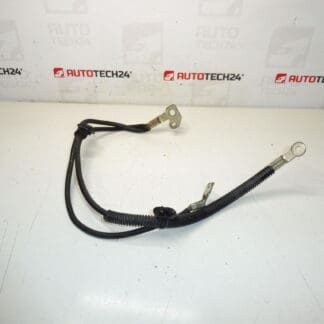
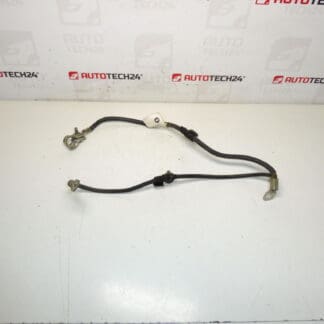
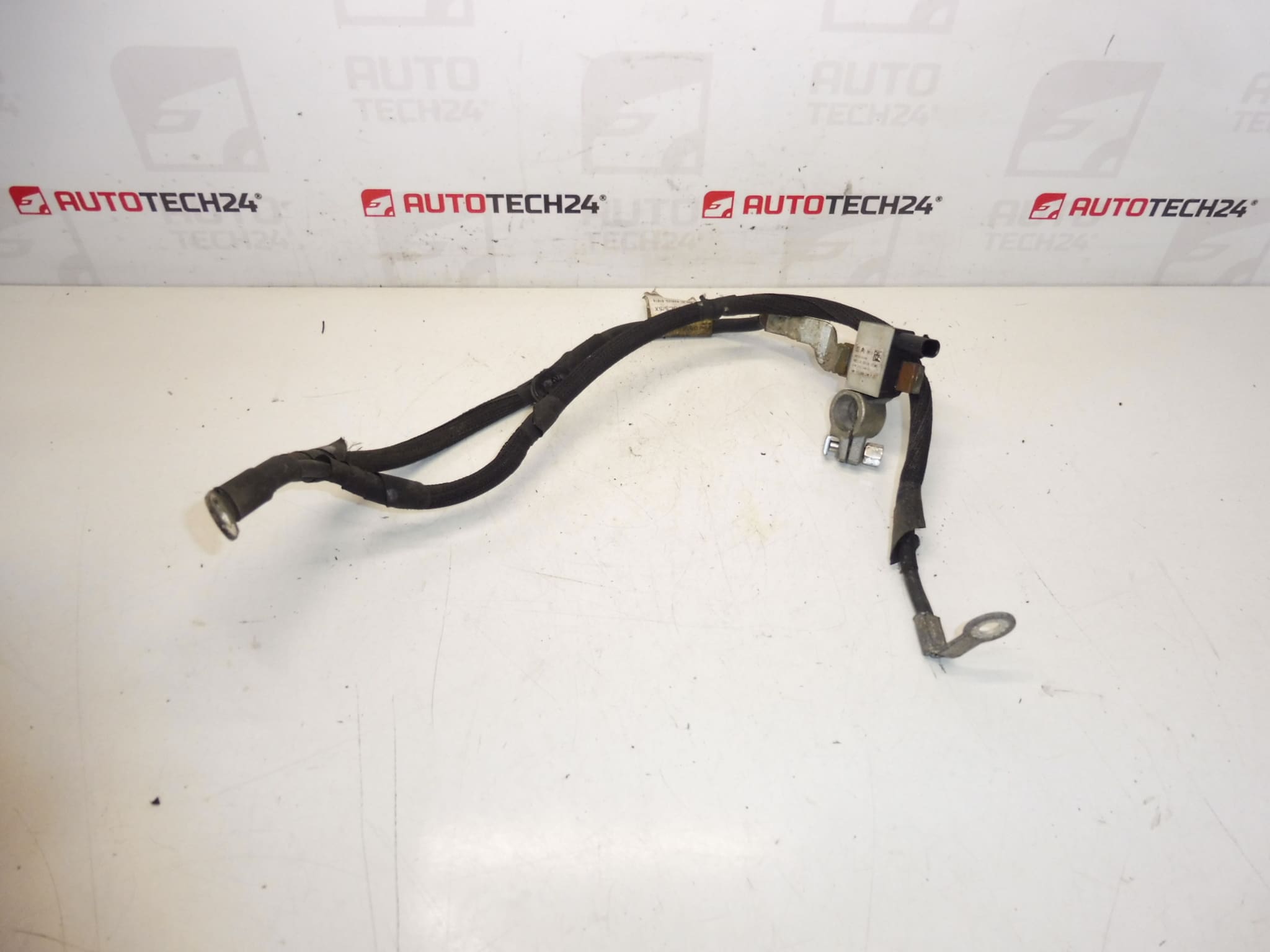
Negative battery cable for Citroën and Peugeot vehicles.
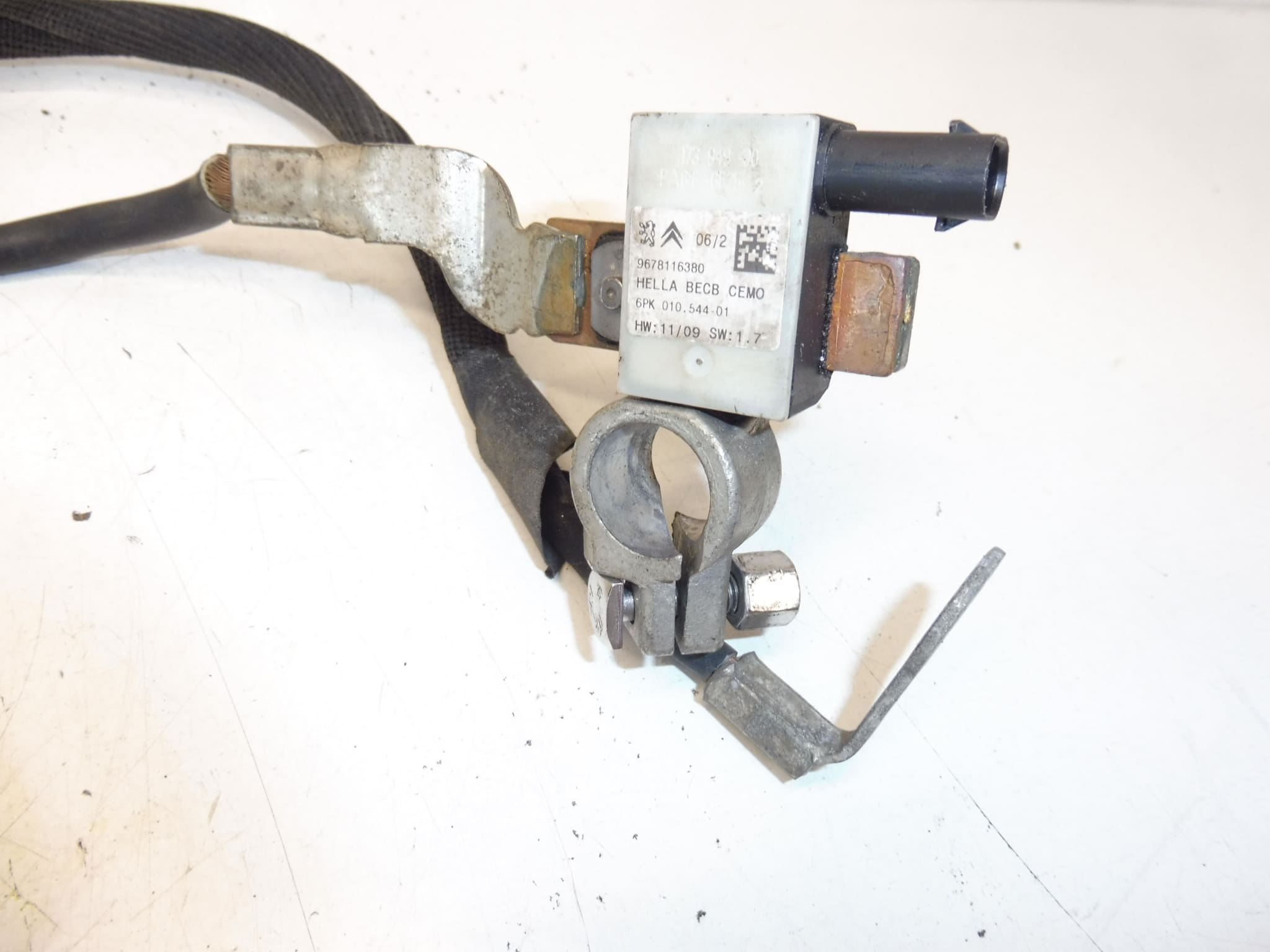
This used negative battery cable (ground strap) is suitable for a range of Citroën and Peugeot models and is referenced by OEM numbers 9803673280, 9678116380 and 5638WH. It is an essential electrical connection that ensures a reliable ground between the battery negative terminal, engine block and vehicle chassis — a common replacement item for vehicles with 1.4 16V, 1.4 HDi and 1.4 VTi powertrains.
The Negative Battery Cable Provides The Return Path For Electrical Current From The Battery To The Chassis And Engine Ground Points. A Properly Functioning Ground Cable Ensures Stable Voltage For The Starter Motor, Alternator, Engine Management Sensors And Comfort/Electrical Systems. Faulty Or Corroded Ground Connections Can Cause Hard Starting, Intermittent Electronics, Charging Faults And Diagnostic Errors.
Fitment And Compatibility
- Citroën C3 II
- Citroën C3 Picasso
- Citroën C4 II
- Peugeot 207
- Peugeot 208
- Common Engines: 1.4 16V, 1.4 HDi, 1.4 VTi
How To Replace
- Safety First: Always Disconnect The Battery Before Starting Work To Avoid Short Circuits. When Removing Battery Connections, Disconnect The Negative Terminal First.
- Access The Negative Cable Clamp At The Battery And Its Chassis/Engine Attachment Points. Remove Any Retaining Bolts Or Clips.
- Inspect Contact Surfaces On The Terminal, Engine Block And Chassis For Corrosion Or Damage. Clean Surfaces With A Wire Brush Or Contact Cleaner If Reusing Terminals.
- Fit The Replacement Cable In The Same Routing As The Original To Prevent Chafing. Secure All Clips And Fasteners.
- Tighten Clamp Bolts Firmly To Manufacturer Specification And Reconnect Battery (Positive First, Negative Last).
- After Installation, Check Charging System And Starter Operation; Monitor For Any Intermittent Electrical Faults.
Technical Information
- Manufacturer: Stellantis / Citroën / Peugeot
- Model: Citroën C3 II; Citroën C3 Picasso; Citroën C4 II; Peugeot 207; Peugeot 208
- Product Codes: 9803673280; 9678116380; 5638WH
- Additional Numbers: 5638WH (Alternative Reference)
Installation Recommendations
- Use Appropriate Tools And Protective Gloves. Avoid Contact Between Tools And The Positive Terminal While The Battery Is Connected.
- Clean Mating Surfaces Thoroughly To Ensure Low-Resistance Contact. Replace Corroded Nuts, Bolts Or Terminal Clamps If Necessary.
- Ensure Proper Cable Routing And Securement To Prevent Heat Or Mechanical Damage From Moving Parts.
- Verify Tightness After A Short Test Drive; Recheck Electrical Ground After Initial Use.
Why This Part Fails Most Often
- Corrosion At Terminal Or Chassis Connection Due To Moisture, Road Salt Or Battery Acid Exposure Leading To High Resistance.
- Mechanical Damage Caused By Abrasion, Improper Routing Or Previous Repairs, Resulting In Broken Strands Or Internal Shorting.
- Poor Clamping Or Loose Fasteners Causing Intermittent Ground And Electrical Faults.
- Heat Damage From Nearby Exhaust Or Engine Components Causing Insulation Deterioration.
Suitable For Professional Workshops And DIY Mechanics Alike. Replacing A Faulty Negative Battery Cable Is A Cost-Effective Way To Eliminate Ground-Related Electrical Problems And Restore Reliable Starting And Charging Performance.