Description
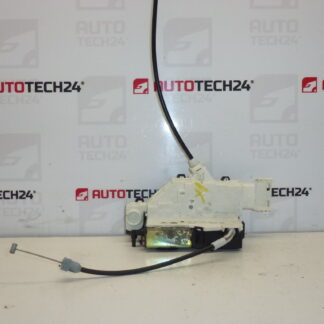
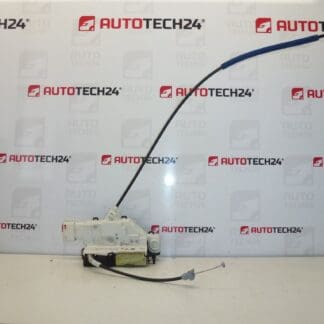
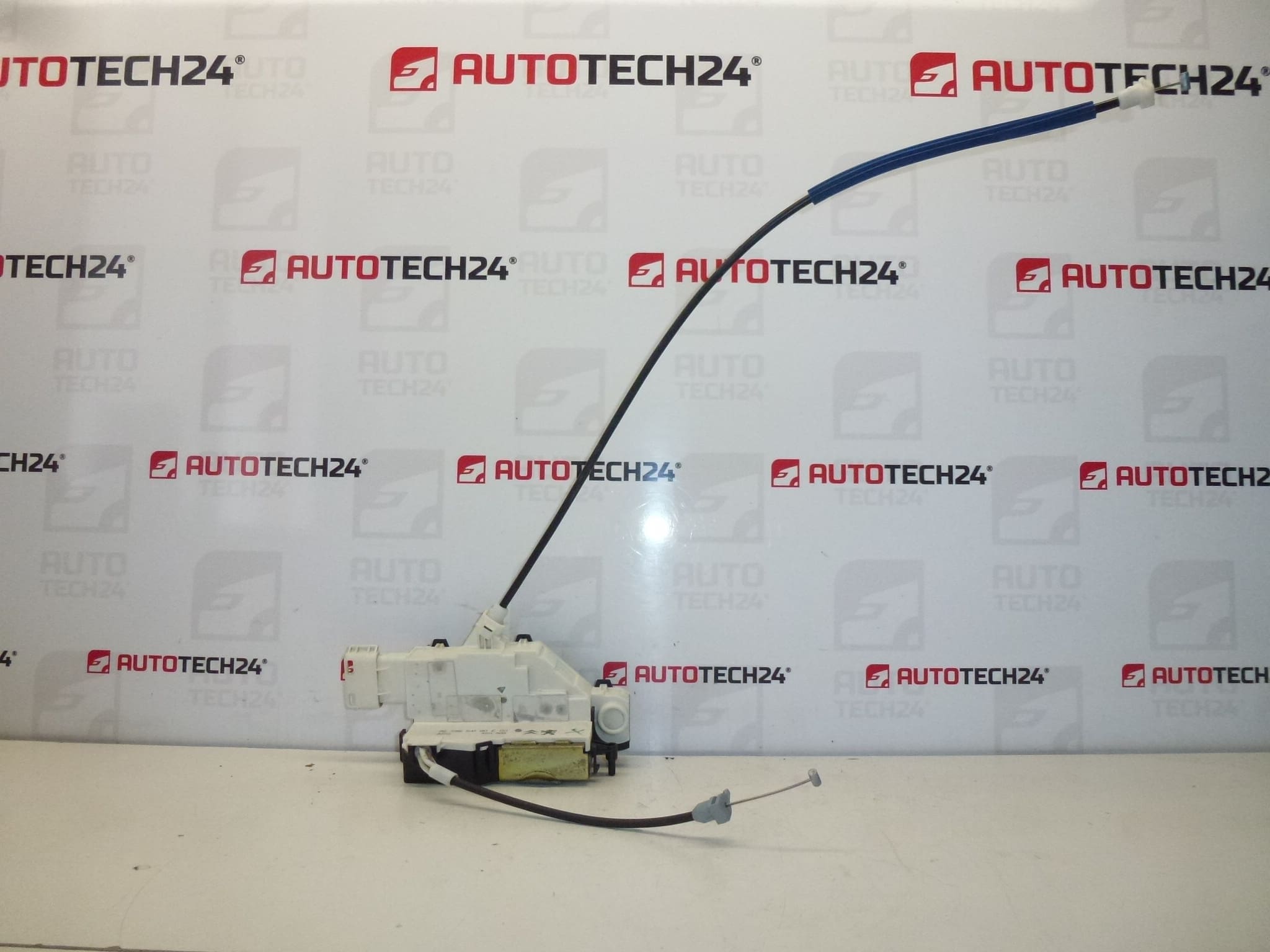
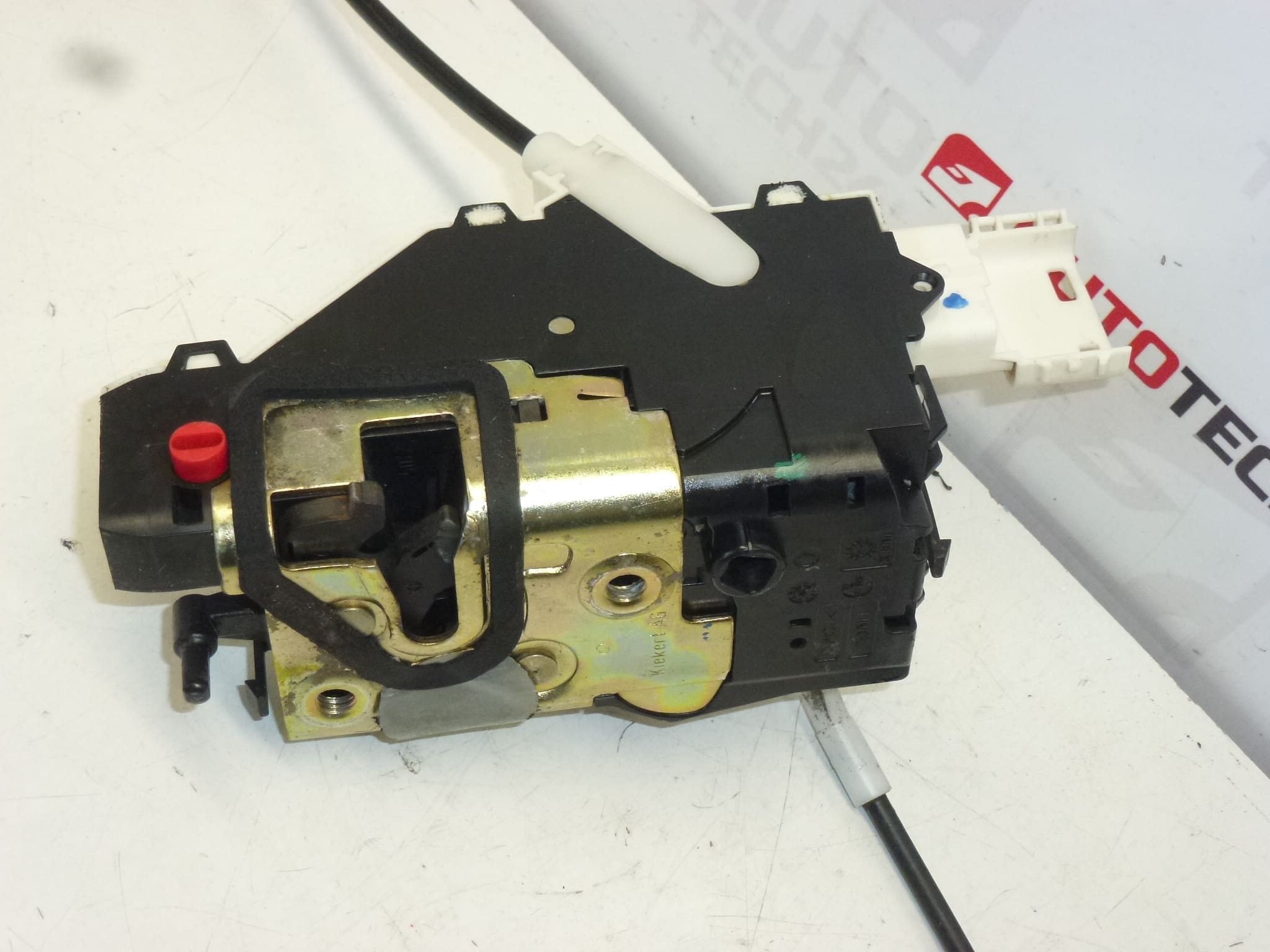
Electric central locking actuator for the left rear door for PEUGEOT 407 — rear door on the driver’s side.
This replacement lock is designed for mechanics and experienced DIYers who need a reliable solution for a faulty left rear door lock on Peugeot 407 models. The unit restores central locking function, secures the rear-left door and integrates with the vehicle’s existing actuator and latch mechanism. Ideal when the door no longer locks/unlocks with the remote or central lock button, or when the mechanical latch feels stiff or intermittent.
Key Features
Durable electric lock assembly intended as a direct replacement for the left rear (driver’s side) door of the Peugeot 407. Fits into the existing door latch location and connects to the factory wiring harness. Compatible with central locking systems used on the model. Clear OEM-style mounting points and connector make installation straightforward for a trained technician.
Technical Information
- Manufacturer: PEUGEOT (Stellantis)
- Model: Peugeot 407
- Product Codes: 9659854180
- Additional Numbers: 9137K8, 9137Q7
Compatibility
Intended for Peugeot 407 vehicles requiring a left rear door lock (driver’s side). Confirm the mounting arrangement and connector type on the vehicle before installation to ensure fitment.
How It Works
The unit operates as part of the vehicle’s central locking system: an electric motor and gearset move the internal latch or release pawl when a lock/unlock signal is received. It both secures the door mechanically and transmits lock/unlock status to the vehicle’s central locking control. Proper function depends on intact electrical connections, undamaged linkages and a correctly aligned latch assembly.
Replacement Procedure (Overview)
- Disconnect the negative battery terminal for safety before starting work.
- Carefully remove the interior door trim to access the lock mechanism—keep clips and screws organized.
- Peel back the vapor barrier and locate the lock assembly. Disconnect the electrical connector and any rod linkages or cables to the door handle and striker.
- Remove the mounting bolts/screws holding the lock in place, extract the old unit and transfer any required clips or rods to the new lock.
- Fit the new lock, reconnect linkages and the electrical connector, then test central locking operation and manual handle function before reassembling the door trim.
Installation Recommendations
- Work on a cool, dry day or in a sheltered workshop to avoid moisture entering the door cavity.
- Use proper trim tools to prevent damage to the door card and clips.
- Inspect and, if necessary, lubricate mechanical linkages and the striker with an appropriate non-corrosive lubricant to ensure smooth operation.
- Check connector pins for corrosion and clean contacts if required. Ensure wiring harness grommets are seated to prevent water ingress.
- Test locking/unlocking several times (remote, central button, and manual) before reassembling the door.
Why The Part Commonly Fails
Common causes of failure include wear of the internal plastic gears or motor over time, water ingress and corrosion of electrical connectors inside the door, mechanical strain or damage to linkage rods, and fatigue from frequent use. Symptoms are intermittent locking, clicking noises from the door, inability to lock/unlock from the central system, or a door that will not stay latched.
Replacing the lock assembly promptly when these symptoms appear restores secure closure and prevents secondary damage to door linkages or the central locking control wiring.