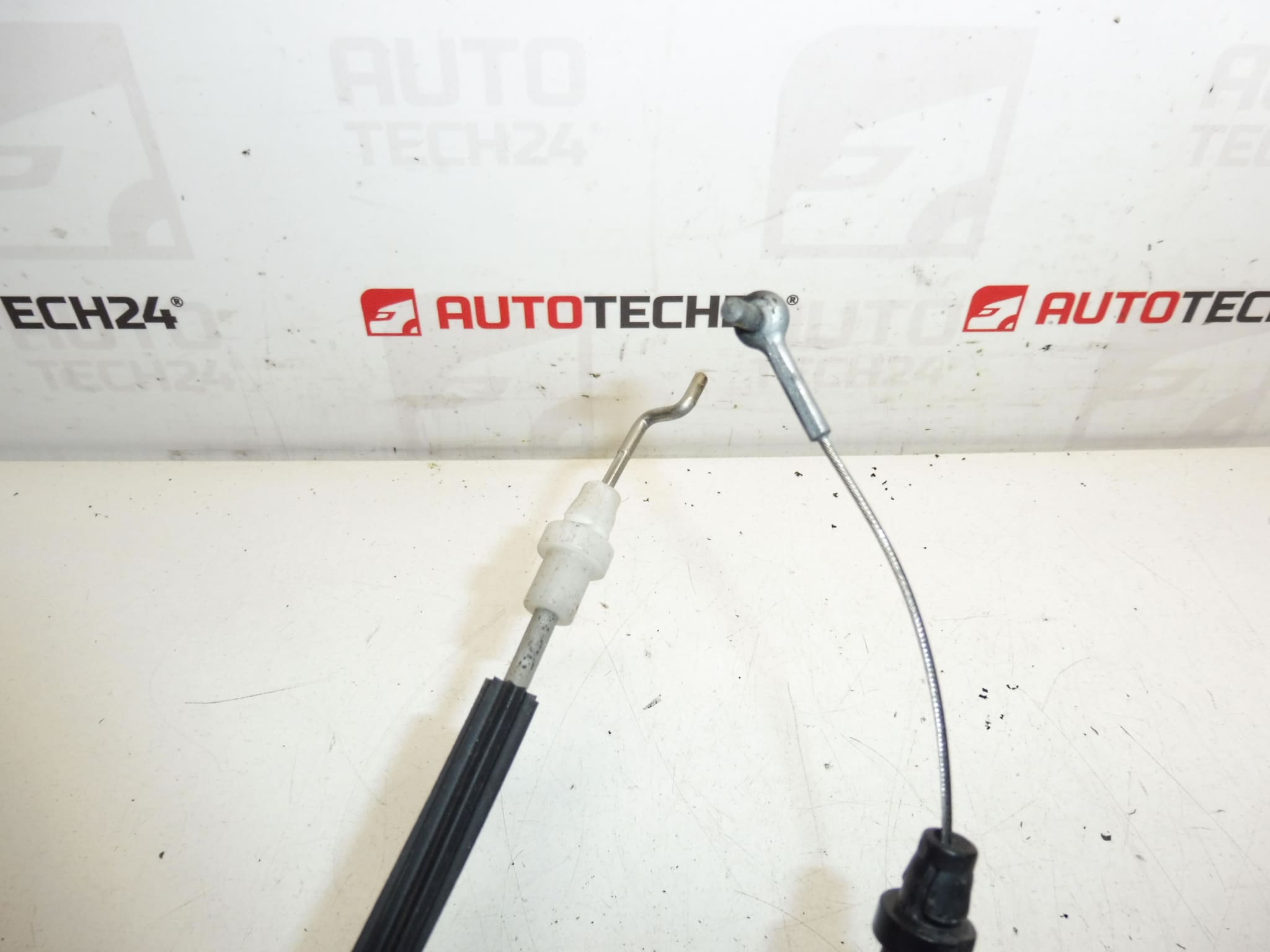
Description
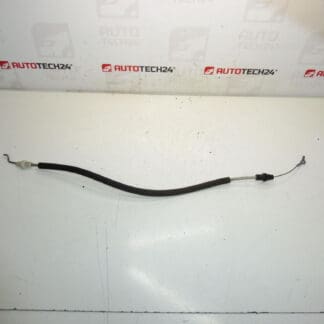
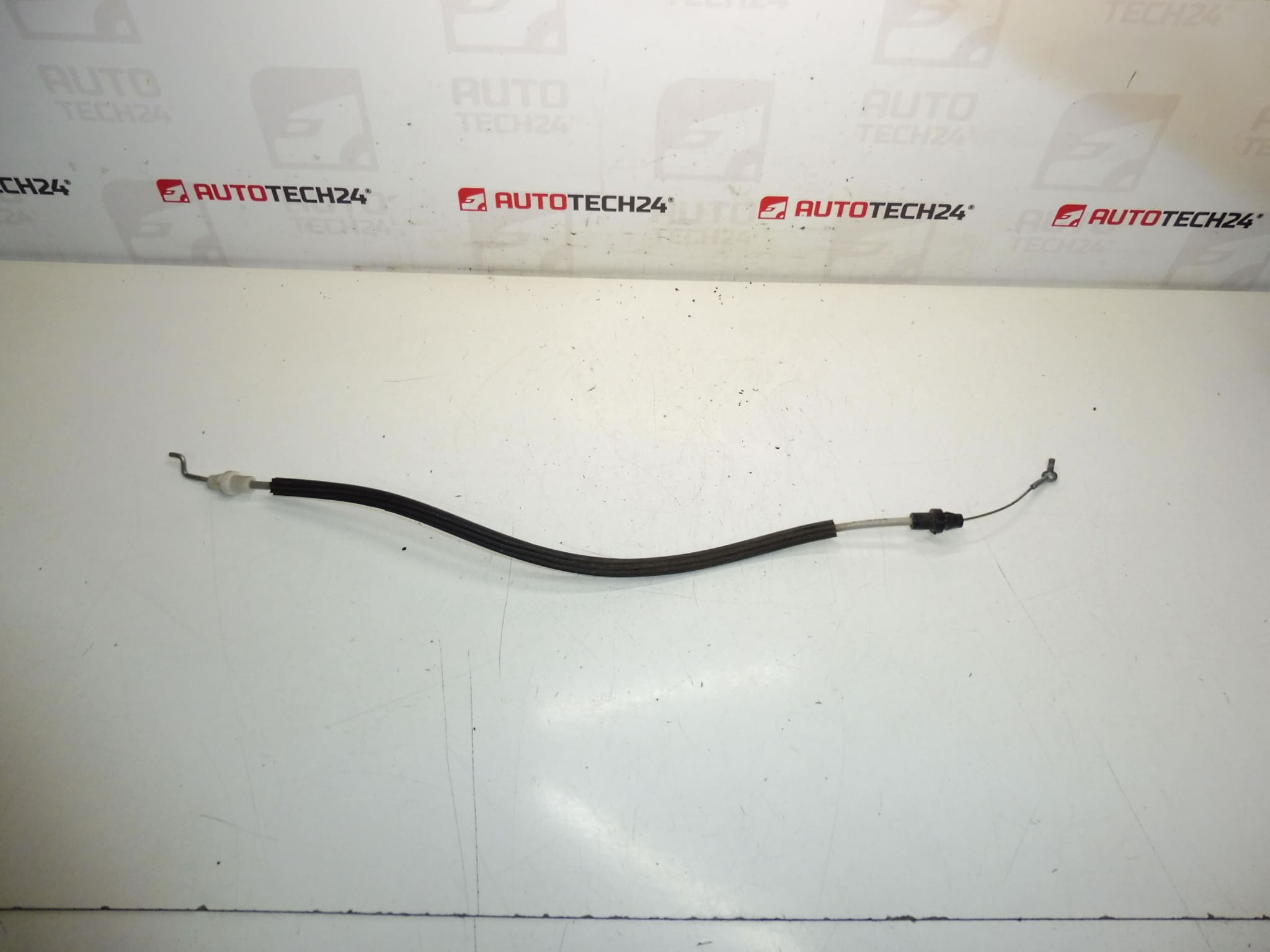
Cable guide for the lock of the central locking of the left and right rear doors
For PEUGEOT 307 cars
Part description
This used car part is intended for Peugeot 307 cars and serves as a door lock control cable. The product is also often searched by order number 9151V7, which facilitates accurate identification when selecting a spare part.
It is part of the central locking mechanism that transmits movement between the control and the door lock. In older cars, the cable guide is a frequent point of wear, which is why its replacement is a practical solution in the event of malfunctions in opening or locking doors.
- Type of part: door lock control cable / cable guide
- Purpose: back door
- Side of use: left and right rear doors
- Suitable for: Peugeot 307
Technical information
- Manufacturer: Stellantis Citroën Peugeot
- Model: Peugeot 307
- Other numbers: 9151V7, NFP
Product codes
- Product codes: 9151V7
- Model names: Peugeot 307
Installation recommendations
Generally/typically for this type of part, the exact replacement procedure may vary depending on the specific design of the door and vehicle mechanism. Before the assembly itself, it is advisable to compare the used part with the original piece and check the length of the cable, the termination and the method of attachment.
1) Before assembly
- Check that the cable used is not kinked, broken or significantly corroded.
- Compare the terminations, length and cable routing with the old part.
- Check the condition of the lock, handles and pulls in the door mechanism.
- Check that the plastic holders or guides are not damaged.
2) Necessary tools and materials
- Set of common hand tools
- Screwdrivers and plastic levers for panel removal
- Pliers
- Cleaning agent for mechanical parts
- A cloth or tea towel
3) Step-by-step assembly procedure
- Secure the vehicle against movement and prepare a work area.
- Dismantle the inner lining of the relevant door to access the lock mechanism.
- Carefully disconnect the original cable from the control part and from the lock itself.
- Check the cable routing in the holders and grommets.
- Remove the old cable duct without damaging the surrounding plastic parts.
- Clean the mechanism space and check the free movement of moving parts.
- Place the used part in the same position and routing as the original piece.
- Correctly fasten the ends of the cable in all attachments.
- Verify that the cable is not twisted, kinked or stretched out of its natural position.
- Before mounting the paneling, test the lock control function several times.
- If operation is smooth, put back the door trim and all removed parts.
- Do a final check of opening and locking the door.
-
4) Post-assembly checks and function verification
- Check that the mechanism runs smoothly without stuttering.
- Try repeatedly locking and unlocking the door.
- Verify that the door opens and closes properly.
- Listen for unusual noises or resistance in the mechanism.
5) The most common assembly mistakes + how to avoid them
- Wrong cable routing – always copy the original cable route.
- Damage to plastic handles – proceed carefully and without violence during disassembly and assembly.
- Assembly without checking the lock – if the mechanism itself is worn, even a new cable guide may not completely remove the defect.
- Premature panel assembly – always check the function of the mechanism several times before final assembly.
- Long-term mechanical wear during frequent use of the door
- Increased resistance in the lock mechanism or control rods
- Corrosion and moisture inside the door
- Damage to plastic attachments or guide elements
- Reckless handling during previous repair or disassembly
- Kindling or pulling the cable from the ends