Description
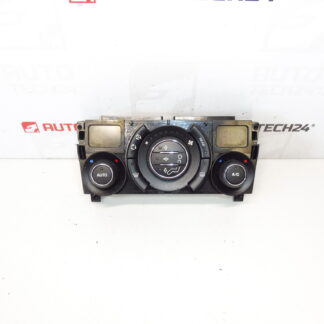
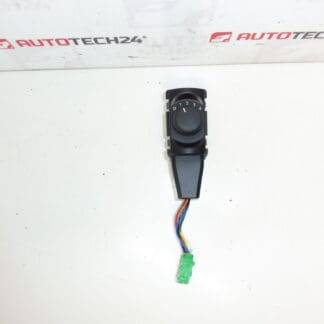
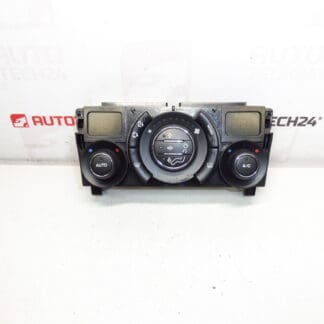
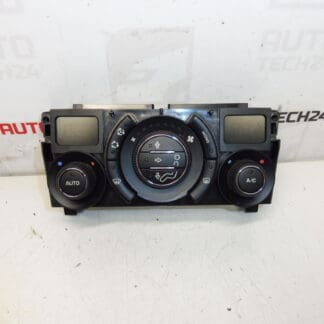
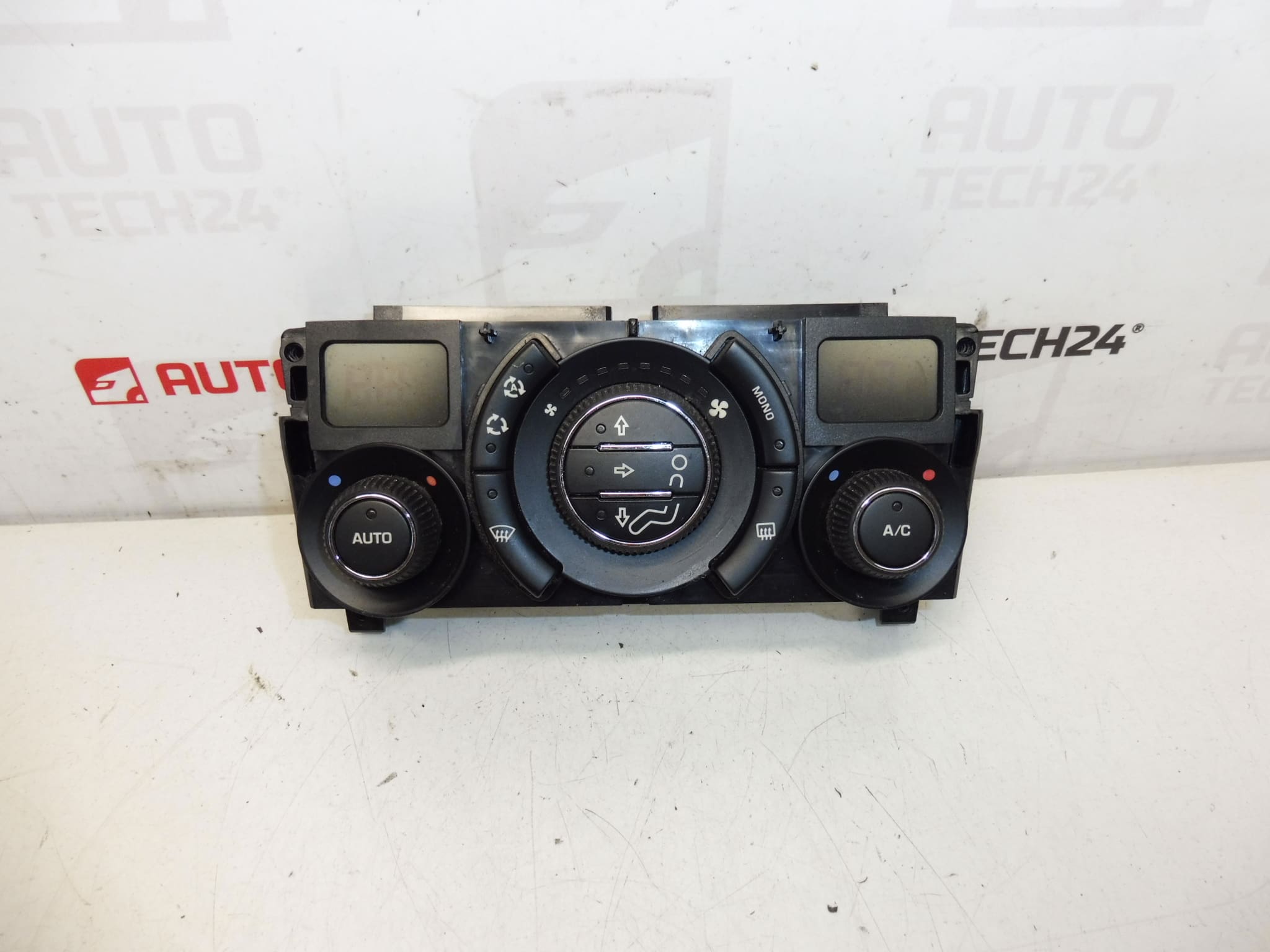
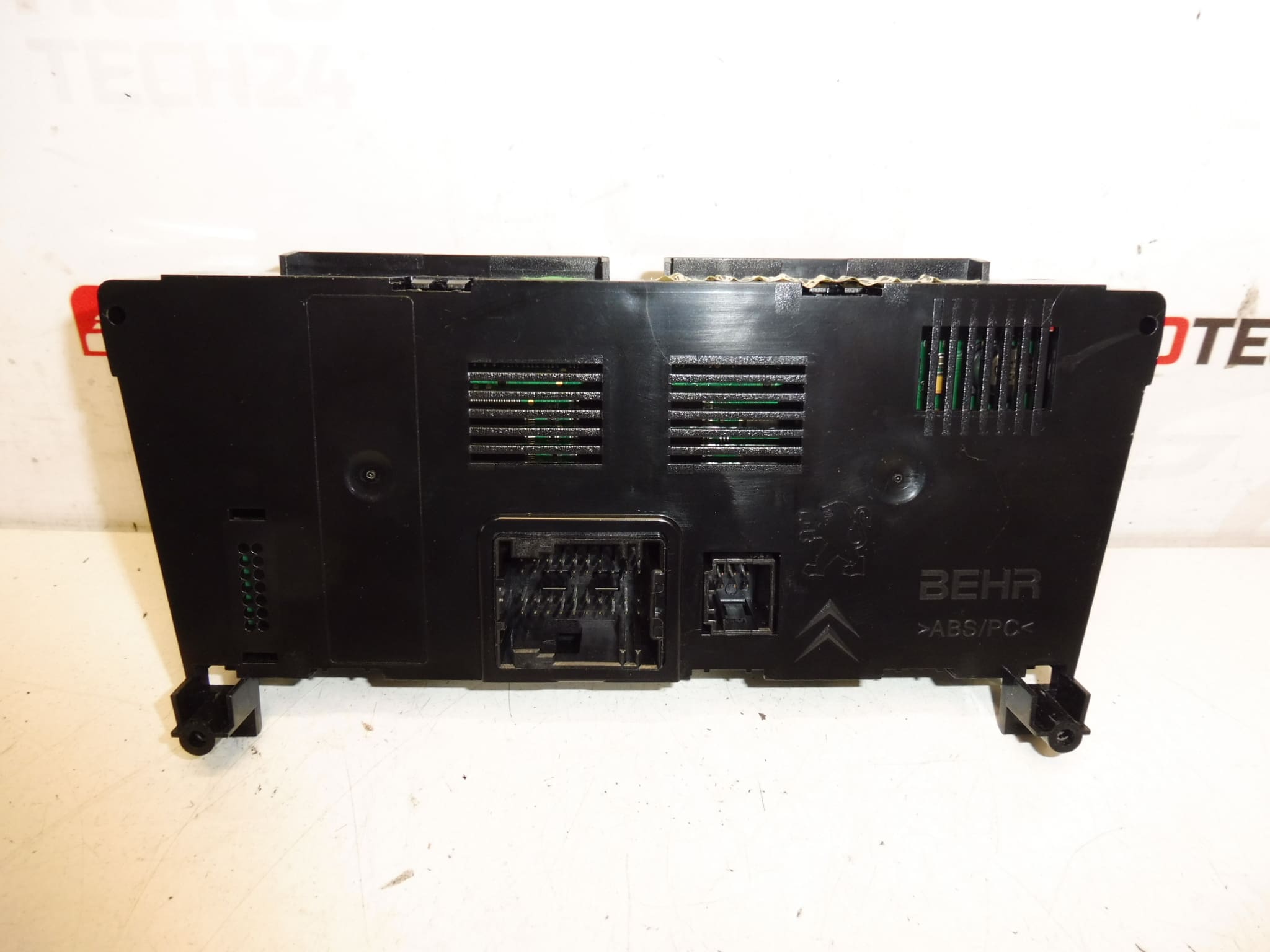
Heating and air conditioning control unit for PEUGEOT 3008 T84 and 5008 T87 vehicles
Product Overview
Original equipment HVAC control module designed for PEUGEOT 3008 (T84) and PEUGEOT 5008 (T87). This control panel manages cabin temperature, blower speed, air distribution, recirculation and HVAC requests to the compressor and actuators. It Is Frequently Searched By Part Numbers, Making It Easy For Professional Mechanics And DIY Enthusiasts To Find The Correct Replacement.
Function And Application
The unit Interfaces With Temperature Sensors, Blower Motor, Blend/Mode Actuators, A/C Compressor Relay/Clutch Request And The Vehicle Body Network To Provide Accurate Climate Control. Typical Symptoms Of A Failing Module Include Unresponsive Controls, Incorrect Temperature Regulation, Intermittent Or No Blower Operation, Fault Codes Related To HVAC, And Erratic Behavior Of Actuators Or Display Elements. The Module Is Used On PEUGEOT 3008 T84 And 5008 T87 Dash Assemblies.
Technical Information
- Manufacturer: Stellantis Citroën Peugeot
- Model: PEUGEOT 3008 T84, PEUGEOT 5008 T87
- Product Codes: 96738322XT, 6451Y3
- Additional Numbers: 6452Y3
Replacement Procedure
Before Starting, Disconnect The Battery To Avoid Short Circuits Or Damage To Electronic Components. Typical Replacement Steps:
- Remove Trim Surrounding The Center Console According To The Vehicle Service Manual.
- Unscrew And Extract The HVAC Control Module Assembly Carefully.
- Release Electrical Connectors By Depressing Retaining Clips; Inspect Connectors And Wiring For Corrosion Or Damage.
- Install The New Module, Reconnect All Plugs Securely And Refit Mounting Screws And Trim.
- Reconnect The Battery And Perform Functional Checks: Blower Speeds, Temperature Change, A/C Request, Recirculation And Display Indicators.
Installation Recommendations
Fitment Is Best Performed By A Trained Technician Or Experienced DIYer With Basic Electrical Skills. Inspect Connector Pins For Corrosion Or Bent Contacts Before Installation. Use Contact Cleaner If Needed And Ensure Grounds Are Intact. Avoid Excessive Force When Removing Or Inserting Connectors. After Installation, Verify All HVAC Functions And Clear Any Related Fault Codes Using A Suitable Diagnostic Tool.
Why The Part Commonly Fails
Failure Modes Include Wear Of Mechanical Controls (Rotary Pots And Switches), Thermal Stress And Solder Joint Fatigue Leading To Intermittent Connections, Moisture Ingress Causing Corrosion Or Short Circuits, Voltage Spikes From Poor Battery/Charging System Condition, And Physical Damage From Impact Or Improper Removal. There Is No Fixed Replacement Interval; Replace The Module When Persistent Symptoms Or Fault Codes Occur.
Practical Tips For Mechanics And DIY Repairers
- Search By The Product Codes Listed Above To Ensure Quick Identification.
- Check Related Components (Blower Motor, Fuses, Relays, Temperature Sensors) To Avoid Replacing The Control Unit Unnecessarily.
- Keep A Diagnostic Tool Handy To Read HVAC Fault Codes And Confirm Root Cause Before Replacement.