Description
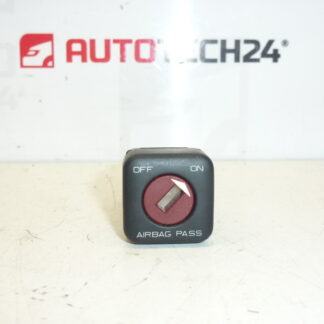
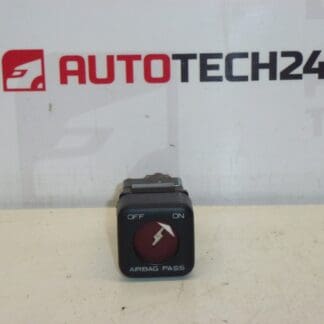
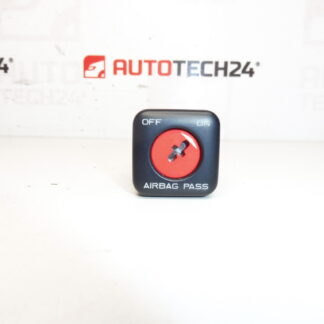
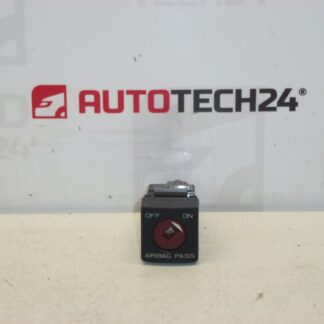
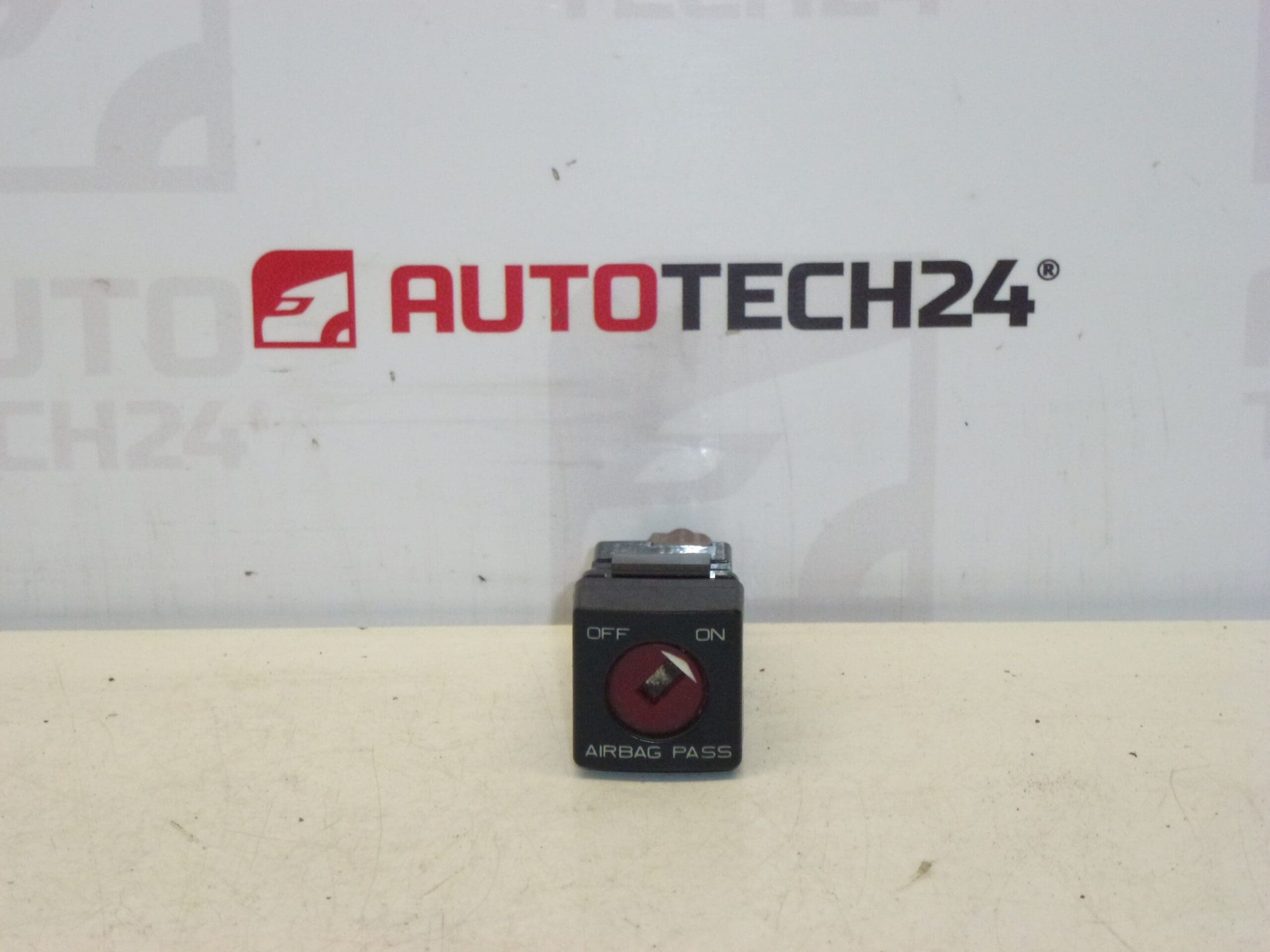
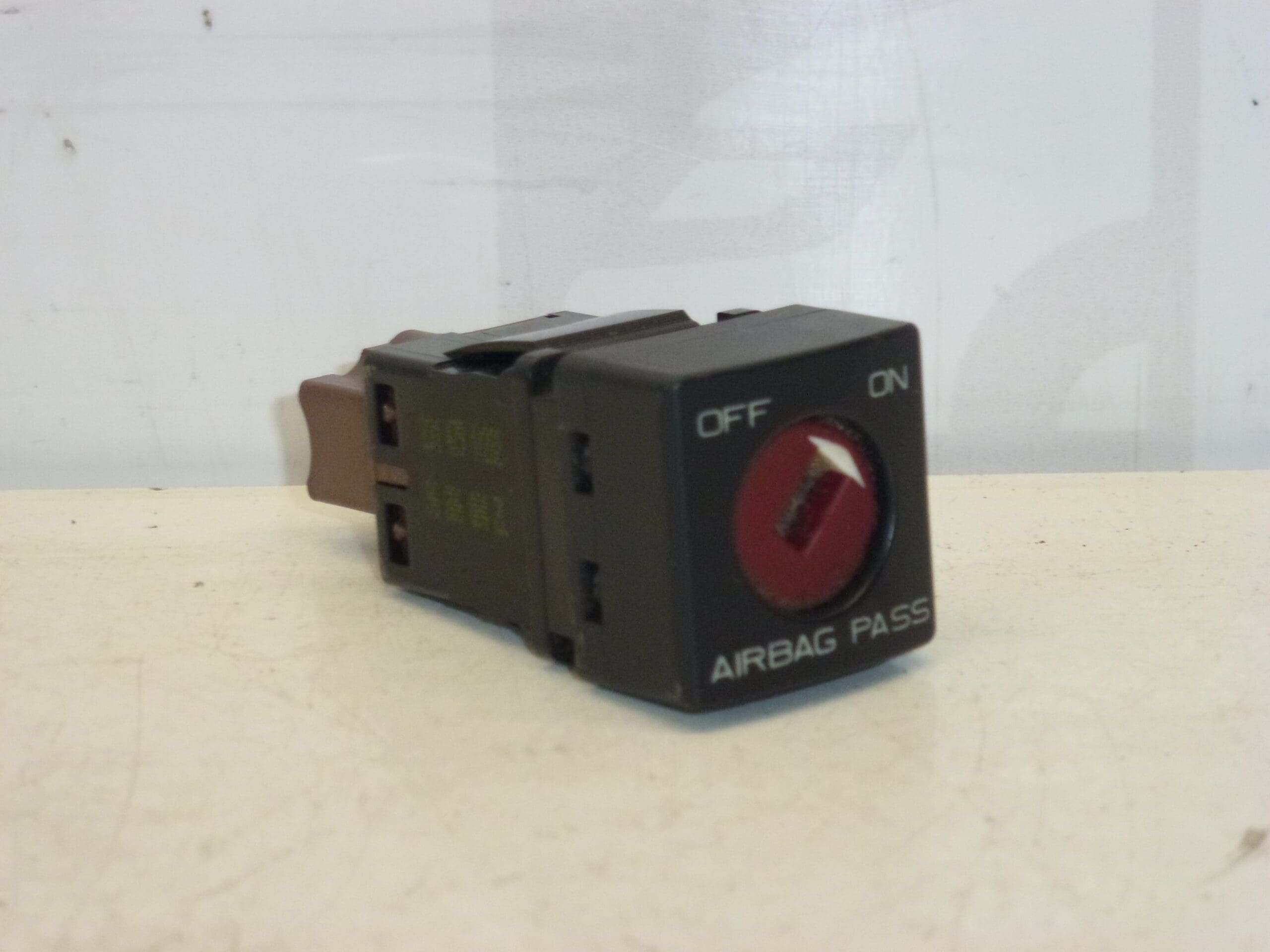
Passenger Airbag Switch for CITROËN and PEUGEOT vehicles
This passenger airbag switch is an OE-style replacement designed for Citroën and Peugeot models. It allows safe deactivation and reactivation of the front passenger airbag where fitted, for example when transporting a rear-facing child seat. Common reference numbers associated with this switch include 96386084ZL, 96386084XT and 96373205ZD (additional references 8216F3, 8216E6). The part is suitable for workshop technicians and experienced DIYers who need a reliable on/off control for the passenger airbag system.
Technical Information
- Manufacturer: Stellantis
- Model: Citroën C3 Picasso; Peugeot 406
- Product Codes: 96386084ZL, 96386084XT, 96373205ZD
- Other Numbers: 8216F3, 8216E6
Function And Application
The switch provides manual control to disable or enable the front passenger airbag. When switched off, the airbag is prevented from deploying in the event of a collision — a necessary safety measure when using certain child restraint systems on the front passenger seat. The switch interacts with the airbag indicator lamp on the instrument panel to confirm status (airbag ON/OFF). Always follow the vehicle manufacturer’s safety instructions when using the switch.
Installation Recommendations
- Safety First: Disconnect the negative battery terminal before starting work and wait a few minutes to allow residual charge to dissipate.
- Access: The switch is usually located on the passenger side dashboard or glovebox trim depending on model. Remove the appropriate trim panels to access the switch housing.
- Removal: Unclip or unscrew the retaining fasteners, gently extract the switch, and unplug the electrical connector. Inspect the connector for corrosion or damaged pins.
- Installation: Plug in the new switch, secure it in the mounting position and reinstall trim. Reconnect the battery and verify switch function and corresponding dashboard indicator.
- Verification: After installation, confirm that the airbag indicator on the dash reflects the switch position and that no airbag fault lamp remains illuminated. If a fault lamp appears, perform diagnostic checks with appropriate equipment.
- Recommendation: Use appropriate trim tools to avoid damage to interior panels. If unsure about airbag system diagnostics, seek assistance from a qualified technician.
How Replacement Is Performed
Typical replacement time for an experienced mechanic is approximately 20–45 minutes depending on model and access. Procedure generally involves removing glovebox or dash trim, disconnecting the connector from the old switch, fitting the replacement, and testing the airbag status lamp. Do not force connectors or plastic parts — inspect clips and fasteners and replace any damaged components.
Most Common Causes Of Failure
- Mechanical Wear: Repeated use over many years can wear the switch mechanism or cause the internal contacts to become intermittent.
- Physical Damage: Impact to the dashboard or improper removal during interior repairs can break the switch housing or actuator.
- Corrosion And Moisture: Water ingress or humidity can corrode electrical contacts, causing unreliable switching or electrical faults.
- Electrical Faults: Wiring damage or connector issues can prevent the switch signal from reaching the airbag control system.
- Accident Damage: After a collision, the switch or related wiring may be damaged and should be inspected as part of repairs.
This switch is a safety-related component. If you detect airbag warning lights after replacement or are uncertain about proper operation, consult diagnostic equipment and follow manufacturer repair procedures.