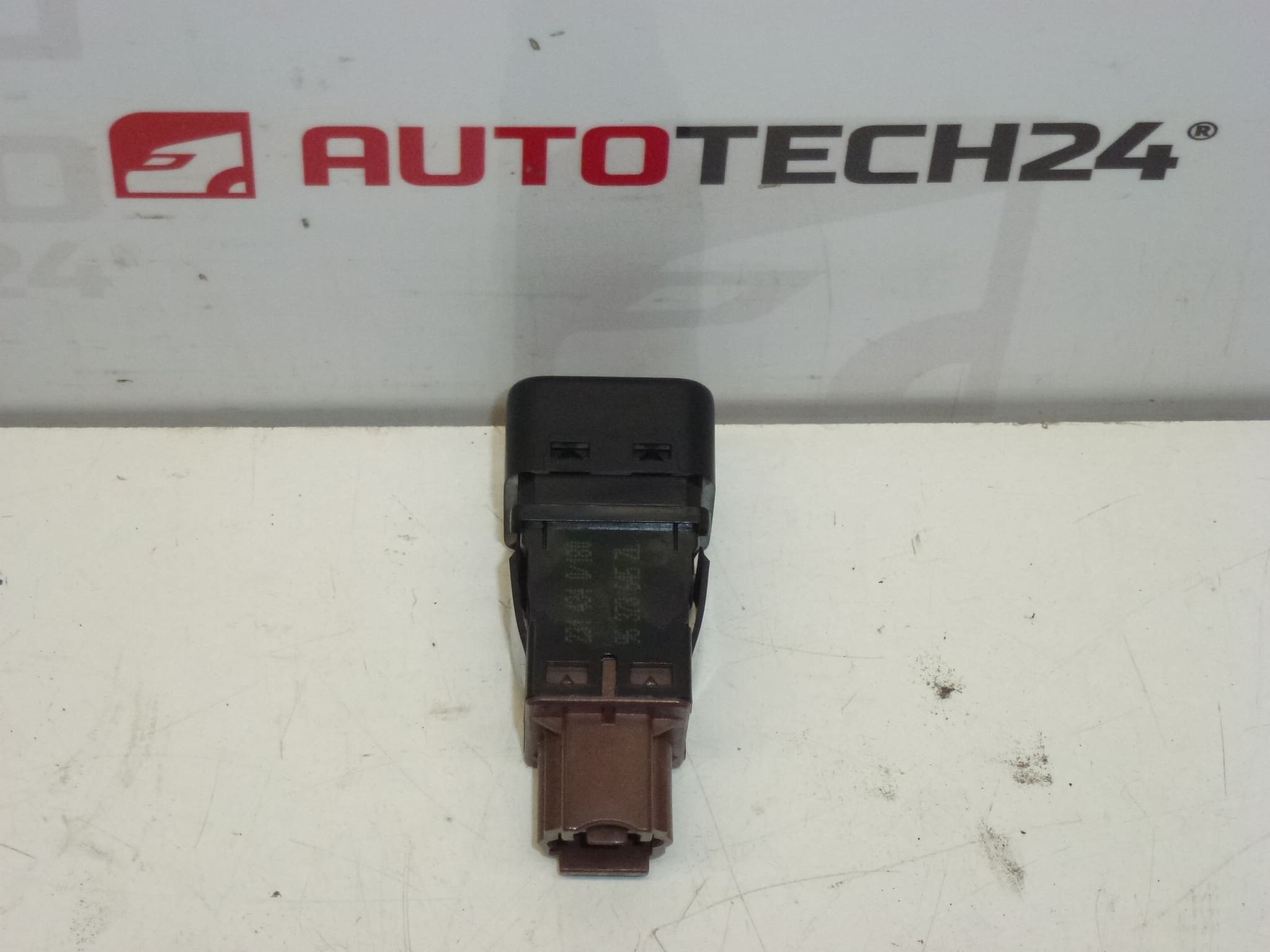
Description
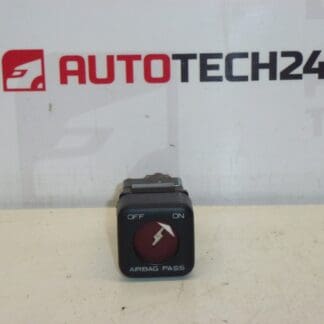
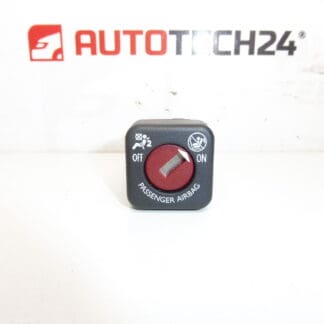
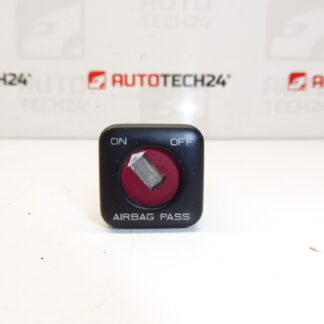
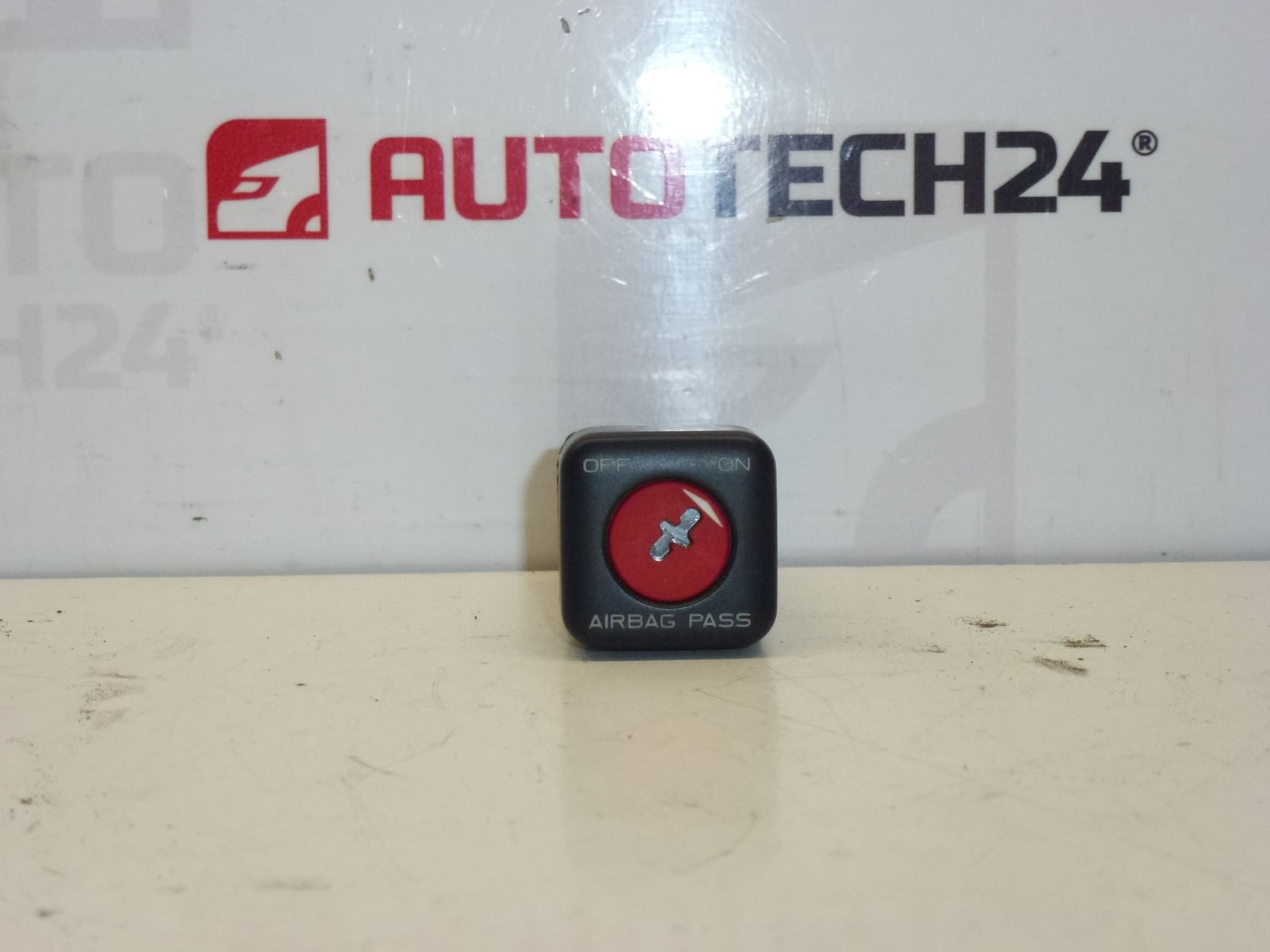
Passenger Airbag Switch for Various Citroën and Peugeot Models
Description
This passenger airbag ON/OFF switch is intended for use in a range of Citroën and Peugeot vehicles. Frequently referenced under the codes 96373645XT and 8216F2, the switch allows controlled deactivation of the front passenger airbag where required (for example when using a rear-facing child seat) and is a common service item for workshops and experienced DIY mechanics.
Key Benefits
- Direct replacement for worn or faulty passenger airbag switches on compatible Citroën/Peugeot models.
- Helps restore correct SRS indication and passenger airbag control functionality.
- Compact OEM-style fitment designed for straightforward installation in dashboard or glovebox locations typical for PSA vehicles.
- Useful search keywords: Passenger Airbag Switch, Airbag ON/OFF Switch, 96373645XT, 8216F2, Citroën, Peugeot.
Technical Information
- Manufacturer: Stellantis (Citroën / Peugeot)
- Model: Citroën Berlingo; Citroën C5; Citroën Xsara Picasso; Peugeot Partner
- Product Codes: 96373645XT; 8216F2
- Additional Numbers: Not Available
Compatibility / Applications
Fits a range of PSA platform vehicles where the passenger airbag on/off switch is used. Typical models include Citroën Berlingo, Citroën C5, Citroën Xsara Picasso and Peugeot Partner. Always verify the part number against the unit being replaced before installation.
Function
The switch enables or disables the front passenger airbag circuit according to occupant configuration and safety requirements. When switched to OFF, the airbag is electrically inhibited and the vehicle SRS system will normally indicate the change on the dashboard. Proper function is essential for safe installation of child seats and for meeting occupant safety procedures.
Replacement Procedure (General Guide)
Intended for qualified technicians or experienced DIY mechanics comfortable working with vehicle electrical and SRS systems. Follow the vehicle manufacturer’s service manual for exact procedures.
- Park on a flat surface, engage parking brake and switch ignition off.
- Disconnect the negative terminal of the battery and wait per manufacturer recommendation to allow SRS capacitors to discharge.
- Locate the switch (commonly accessed from the glovebox side, glovebox opening, or dashboard end panel depending on model).
- Carefully remove surrounding trim or glovebox stops to expose the switch retaining screws or clips.
- Unscrew or unclip the switch, unplug the electrical connector and remove the faulty switch.
- Install the replacement switch, reconnect the electrical connector and secure with screws/clips. Refit trim and glovebox components.
- Reconnect the battery, start the vehicle and verify SRS indicator behavior. Use a diagnostic tool where available to check for stored SRS fault codes and to confirm correct status indication.
Installation Recommendations
- Always disconnect the battery and follow the vehicle manufacturer’s safety procedure before working on the SRS system.
- Use correct hand tools (Torx/Phillips as required) and avoid excessive force on plastic trim to prevent breakage.
- Inspect the connector for corrosion or bent pins; clean contacts carefully or replace connector if damaged.
- After installation, clear any SRS fault codes with a diagnostic tool and verify the airbag indicator behaves correctly during the ignition self-test.
- Apply dielectric grease sparingly on connector pins if signs of moisture ingress are present to improve long-term reliability.
Why This Part Commonly Fails
Common causes of switch failure include mechanical wear from frequent use, contamination by dust and moisture leading to corroded contacts, damage to the key slot or actuator, and intermittent electrical connections caused by broken solder joints or connector degradation. Symptoms of a failing switch typically include the inability to change passenger airbag status, SRS warning lamp illumination, or an intermittent ON/OFF indication.
Service Life And Signs To Replace
There is no fixed replacement interval; switches can last many years but should be replaced when showing signs of mechanical failure, corrosion, persistent SRS warnings, or when the switch no longer operates reliably. Replacing a faulty switch restores correct passenger airbag control and avoids ambiguous SRS system indications.