Description
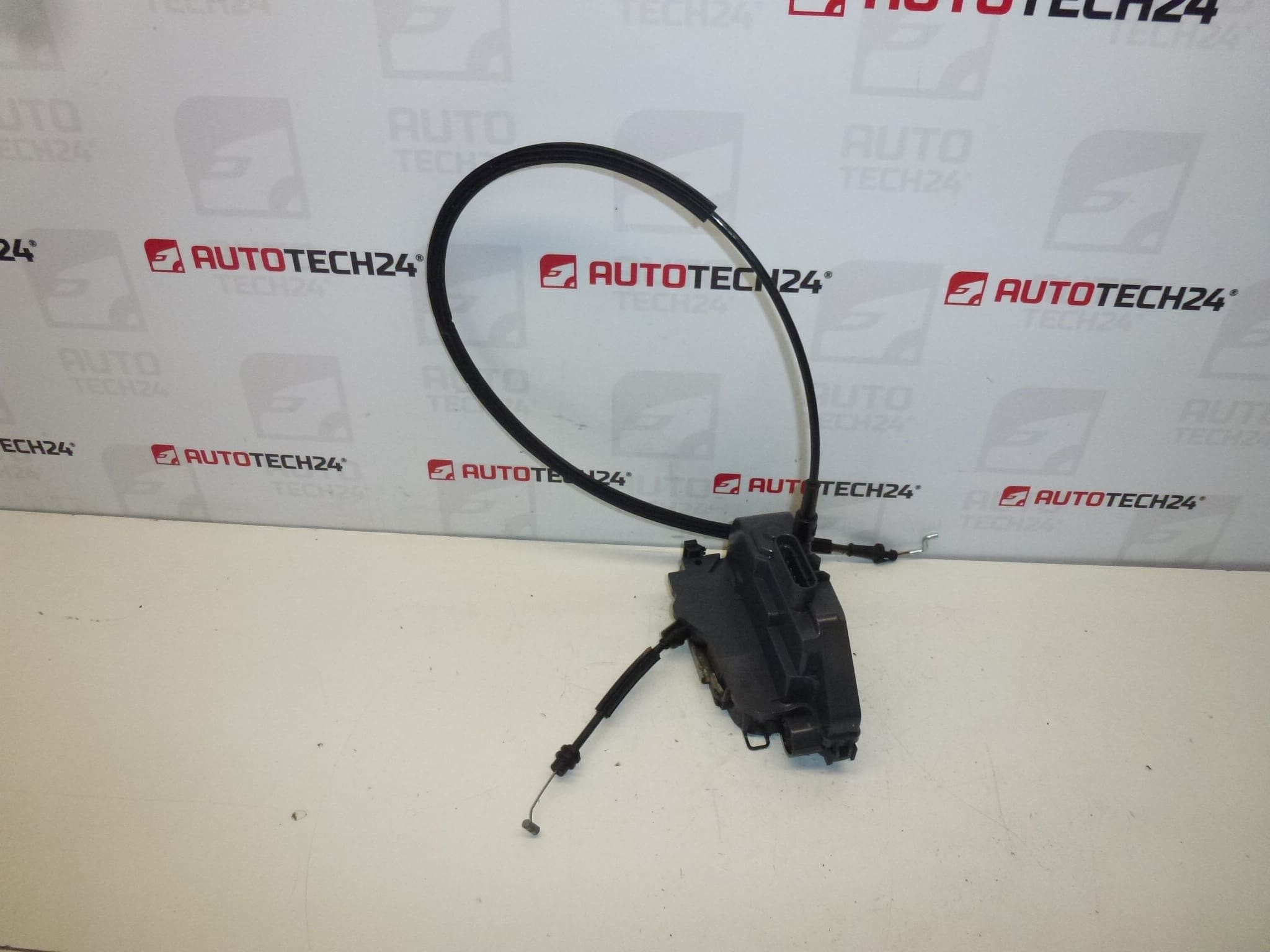
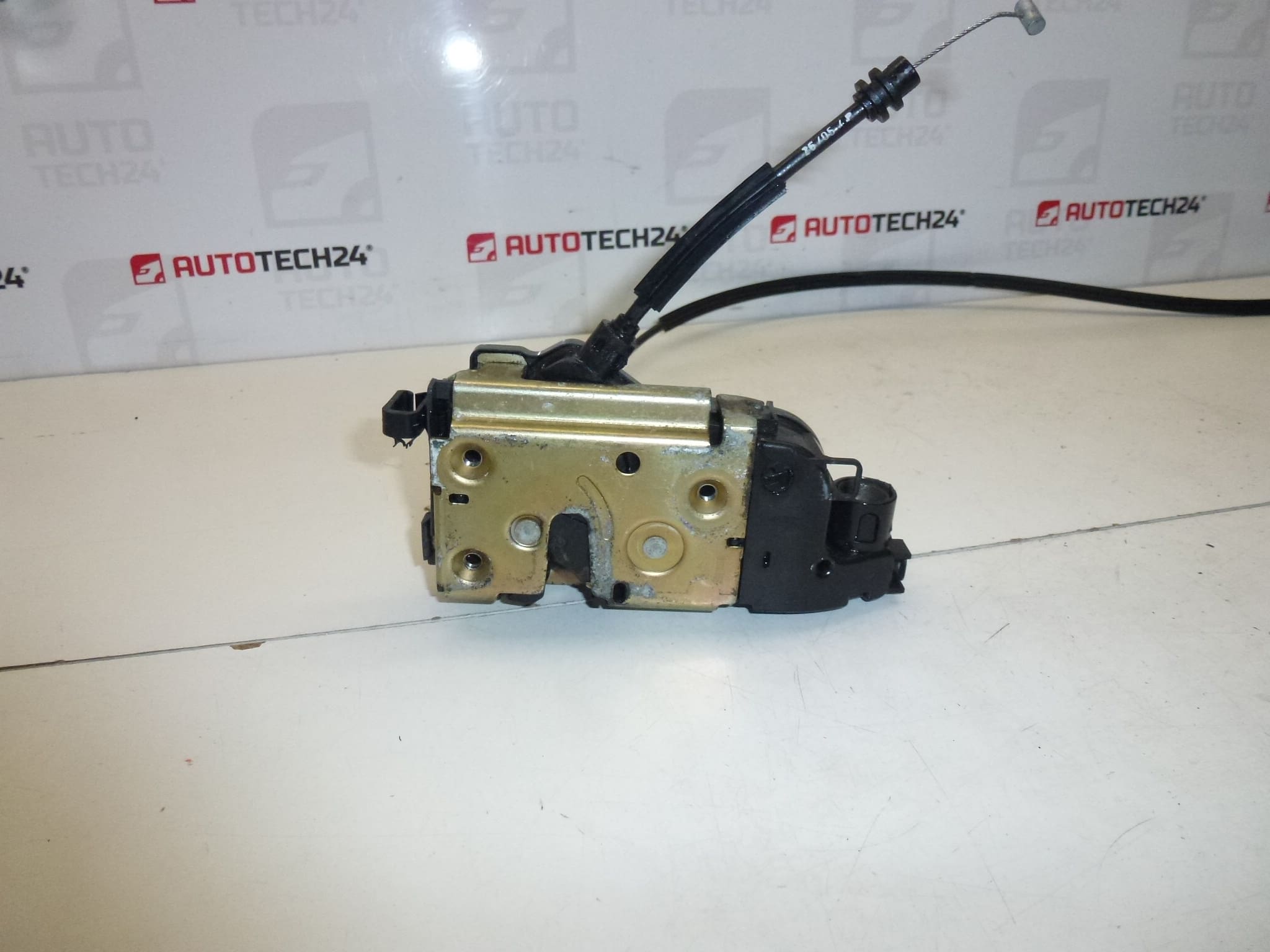
Electric Central Locking Latch For Left Front Door PEUGEOT 307 CC. Driver’s Side. 6 Pins.
Reliable replacement door lock and actuator designed for Peugeot 307 CC driver-side front door. This unit restores central locking functionality, secures the door mechanically and electrically, and is a direct-fit spare for workshops and DIY enthusiasts searching by OE numbers 52229880 or 9135P5. The compact 6-pin connector offers straightforward electrical connection to the vehicle harness and is suitable for fast on-car replacement when the mechanical linkages and door alignment are intact.
Technical Information
- Manufacturer: Stellantis (Citroën/Peugeot)
- Model: Peugeot 307 CC (Left Front Door / Driver’s Side)
- Product Codes: 52229880, 9135P5, NFP
- Additional Numbers: 6-pin Connector
Installation Recommendations
Follow safe workshop practice and use basic hand tools and trim removal tools. Typical replacement steps:
- Disconnect the battery before starting work to avoid short circuits and accidental locking.
- Remove the interior door trim and any vapor barriers carefully to access the lock assembly.
- Disconnect the 6-pin electrical connector and any mechanical rods or clips from the door handle and latch.
- Unbolt the lock actuator from the door shell, fit the new unit, reconnect rods and electrical connector, then test operation (central locking, key, and interior handle) before reassembling the trim.
- Check and lubricate the latch mechanism with suitable grease and verify door alignment and sealing after installation.
Why This Part Fails Most Often
- Water Ingress: Moisture and road spray can enter the door cavity, corroding contacts or seizing mechanical gears inside the actuator.
- Mechanical Wear: Repeated use leads to worn gears or broken plastic components in the actuator mechanism.
- Electrical Faults: Corroded pins or damaged wiring at the 6-pin connector cause intermittent or permanent loss of function.
- Physical Damage: Forced door operation, impact, or misaligned doors can bend linkages or damage the lock housing.
Practical Tips
- Inspect door seals and drainage to reduce future water-related failures.
- When replacing the actuator, check the condition of connecting rods, clips and the door handle mechanism and renew any brittle or damaged parts.
- Test central locking from all control points (remote/key/driver switch) before final reassembly.
This part is suited for professional technicians and competent DIYers who are familiar with door trim removal and vehicle electrics. Search by the OE numbers 52229880 or 9135P5 to find the exact match for the Peugeot 307 CC left front door lock and restore secure, reliable central locking performance.