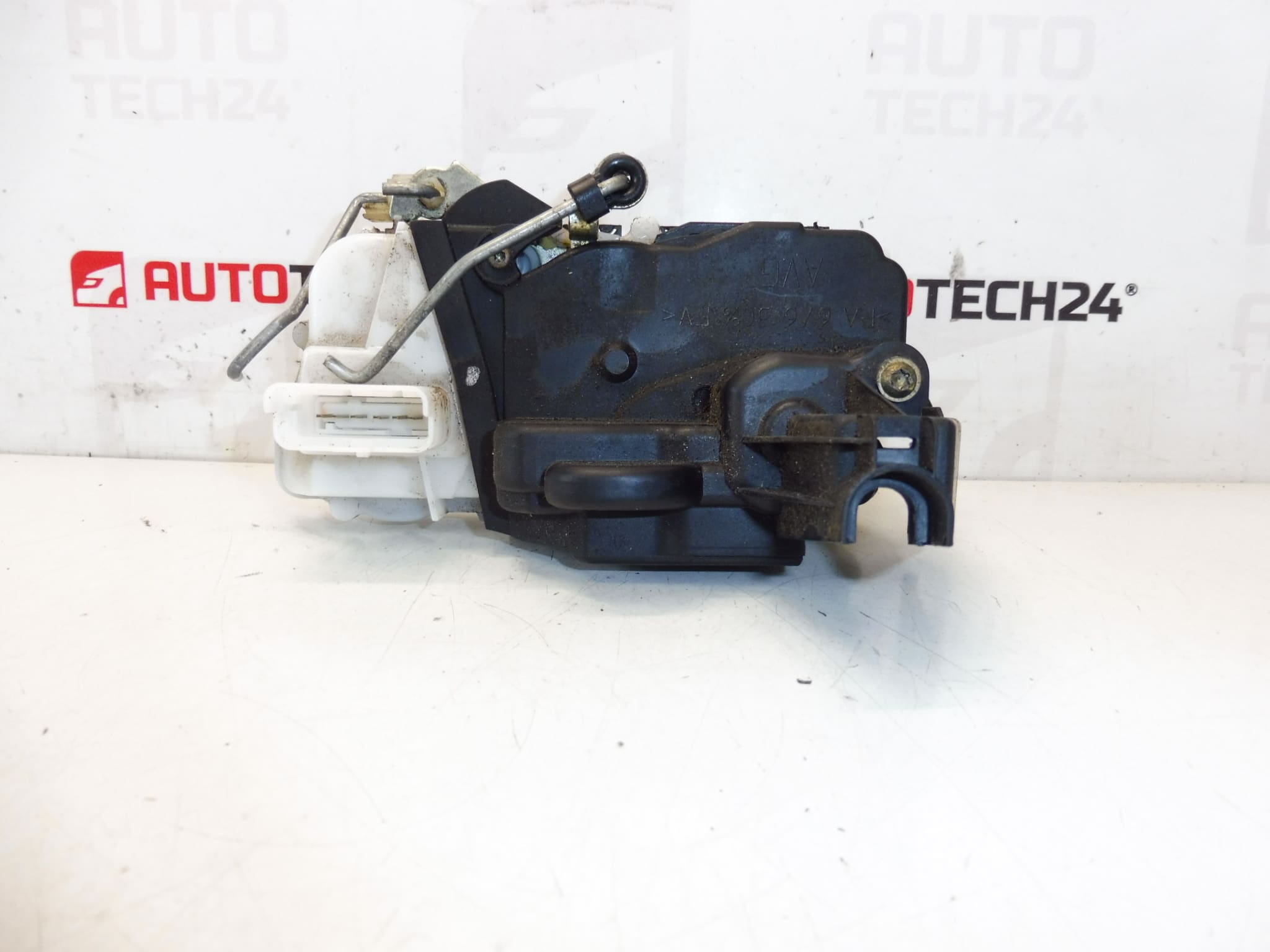
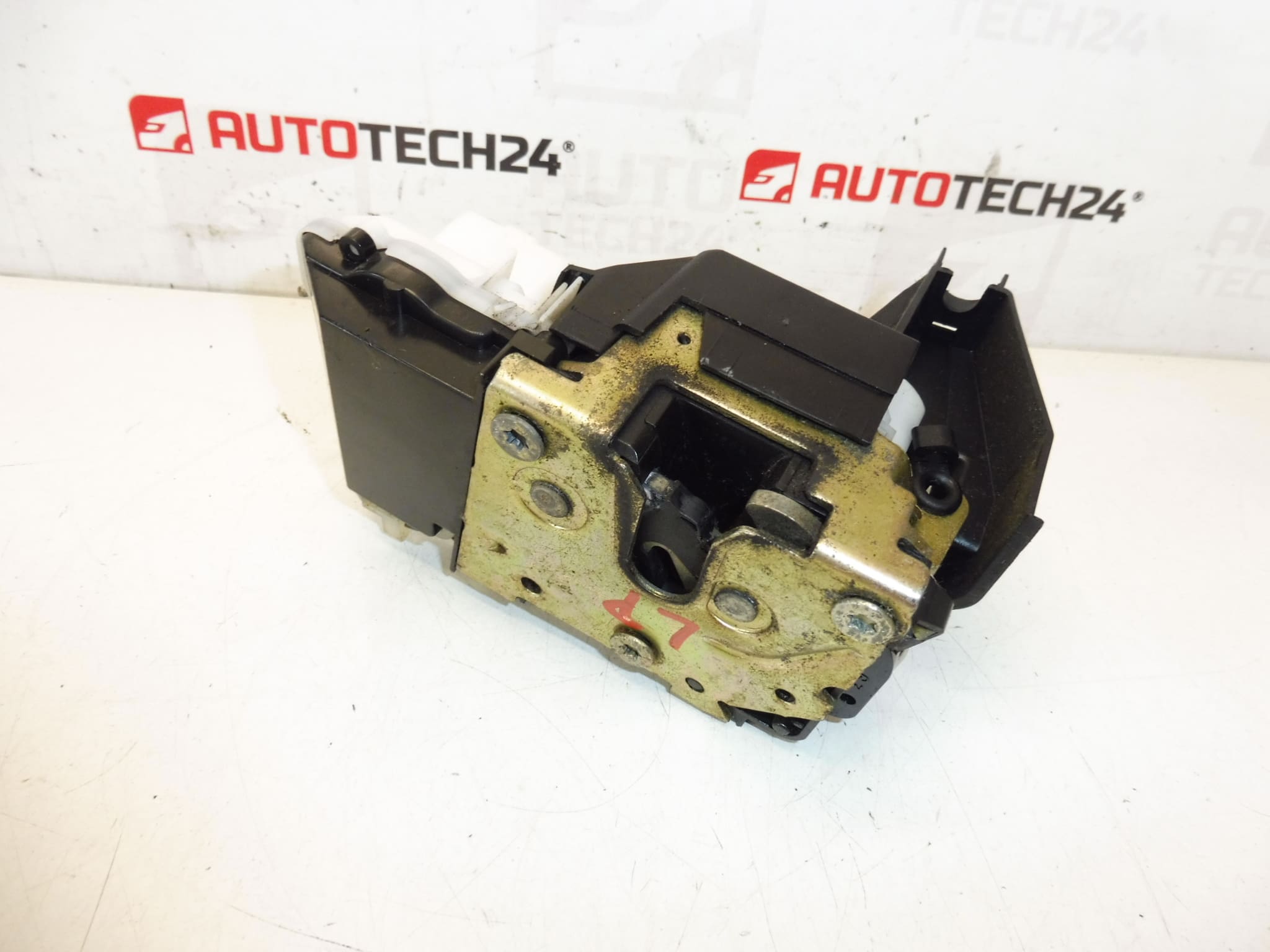
Description
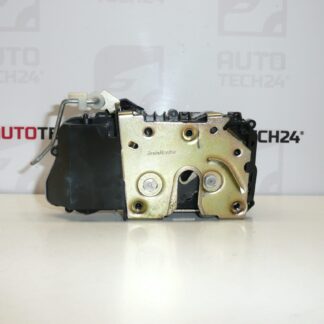
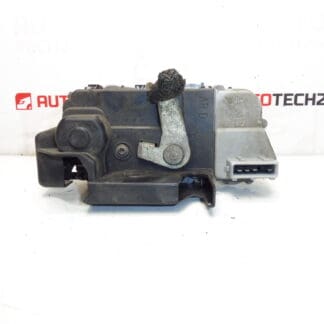
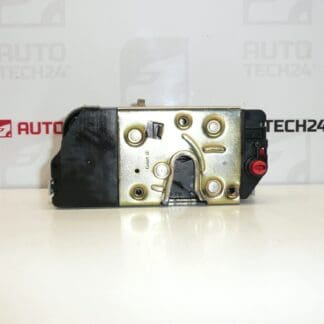
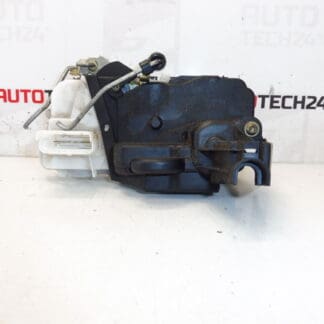
PEUGEOT 307 left front door central locking electric lock
Driver’s door
Part description
The used left front door electric lock for the Peugeot 307 is intended for the repair of the central locking and the correct function of closing the driver’s door. This is a part that is often searched for by the original 9135N6 designation, making it easy to correctly identify when replacing an old or broken part.
This auto part is a suitable choice for mechanics as well as for home repairs when the original lock shows faults such as non-functioning locking, unlocking or irregular response of the central locking. In the case of used original parts, it is usually an advantage to preserve the original structural design for the given car model.
Technical information
- Manufacturer: Stellantis Citroën Peugeot
- Model: Peugeot 307
- Other numbers: 9135N6, NFP
Product codes
- Product codes: 9135N6
- Models: Peugeot 307
Installation recommendations
Generally/typically for this type of part, the exact replacement procedure may vary depending on the specific design of the car and the door, but with the electric door lock it is advisable to proceed carefully to avoid damage to the door panel, rods, connectors or wiring.
1) Before assembly
- Check that the new and original lock match in shape, fit, connector position and mechanical connection points.
- Compare part number 9135N6 and the visual design of the lock.
- Inspect the condition of the electrical connector, latches, levers and mechanical parts for damage or excessive wear.
- Before working, it is advisable to disconnect the battery, especially if it interferes with the electrical installation of the door.
2) Necessary tools and materials
- Set of common hand tools
- Screwdrivers and bits for panel removal
- Plastic pry bar for dismantling fillings
- Pliers
- Contact cleaner and cloth
- Work lighting
3) Step-by-step assembly procedure
- Turn off the ignition, secure the vehicle against movement and prepare the work area.
- If possible, disconnect the battery.
- Remove the inner lining of the relevant door so as not to damage the retaining clips or handles.
- Carefully move or remove the protective cover layers if they prevent access to the lock.
- Disconnect the electrical connector of the lock and release the mechanical rods or controls that are attached to the lock.
- Unscrew the fastening of the original lock and remove it from the door, taking into account the limited handling space.
- Compare the old and used spare part side-by-side, especially orientation, attachment and connection points.
- Place the replacement lock in place and secure it in the same position as the original piece was installed.
- Reconnect the mechanical tie rods and the electrical connector, making sure they fit properly without tension.
- Before fully assembling the door, manually check the operation of the mechanism and the correct movements of the control parts.
- Refit the guards and inner door trim.
- After reconnecting power, try locking and unlocking before finalizing the job.
-
4) Post-assembly checks and test drive/function verification
- Verify the correct function of the central locking when locking and unlocking.
- Check that the door closes and opens correctly and that the lock responds without delay.
- Try internal and external door controls.
- Listen for unusual noises when the lock is operating, indicating poor seating or mechanism resistance.
- After a short drive, double-check that everything is firmly attached and that the door trim is not creaking or loosening anywhere.
5) The most common assembly mistakes + how to avoid them
- Exchanging part design – always compare the number and construction design with the old part.
- Damage to the connector or wiring – never pull out the connector by force and check the condition of the latches.
- Insufficient seat of the lock – after fixing, check that the mechanism is not under tension and works freely.
- Premature folding of the door without a test – check the functionality of the lock before fully fitting the paneling.
- normal wear and tear of the mechanism during frequent use of the door,
- wear or contamination of internal moving parts,
- moisture and corrosion inside the door,
- malfunction of the electrical part of the lock or weakening of the central locking motor,
- mechanical stress during sudden door closing,
- damage to wiring or connector leading to irregular function.