Description
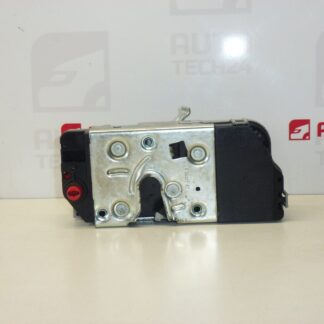
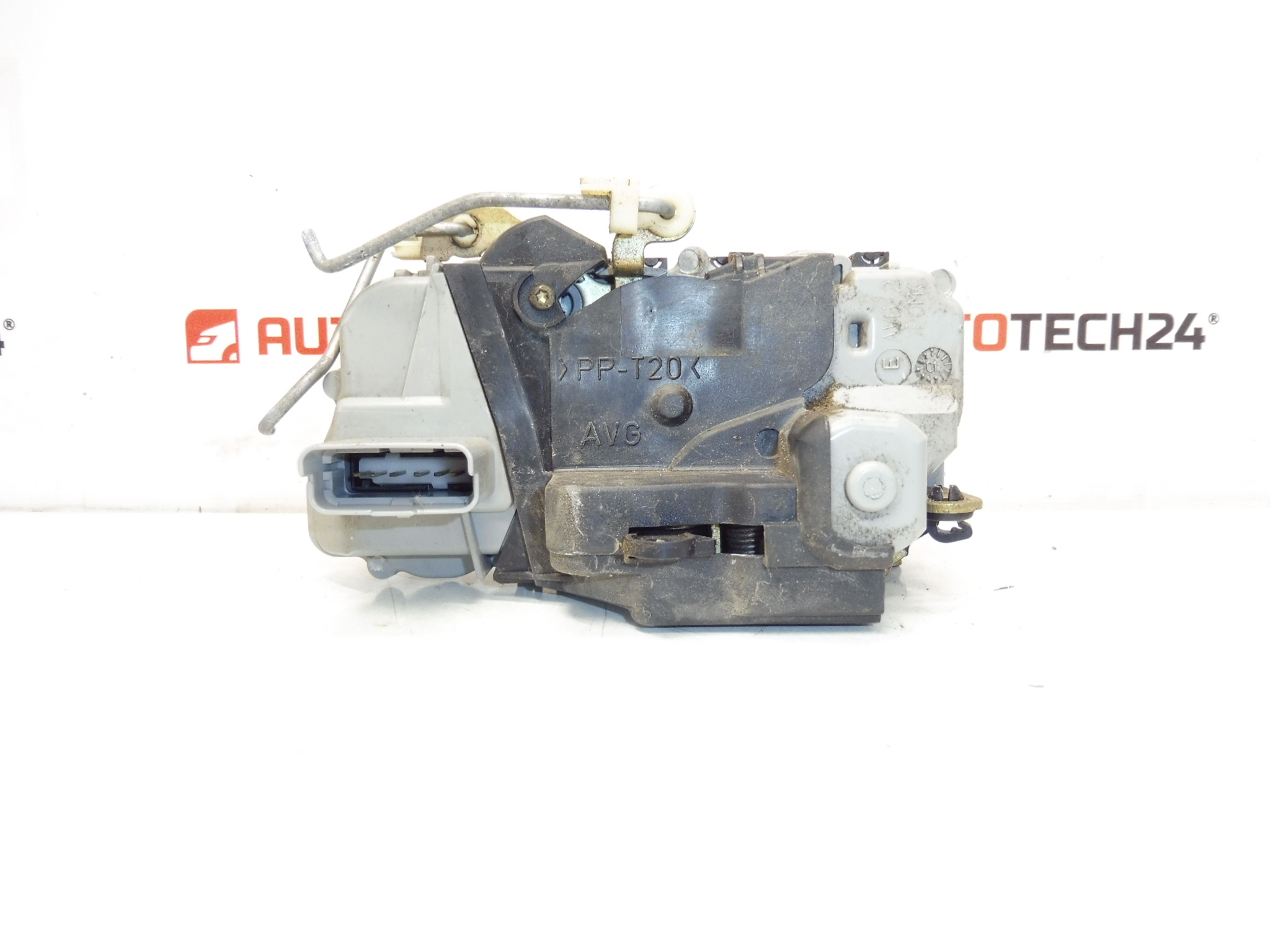
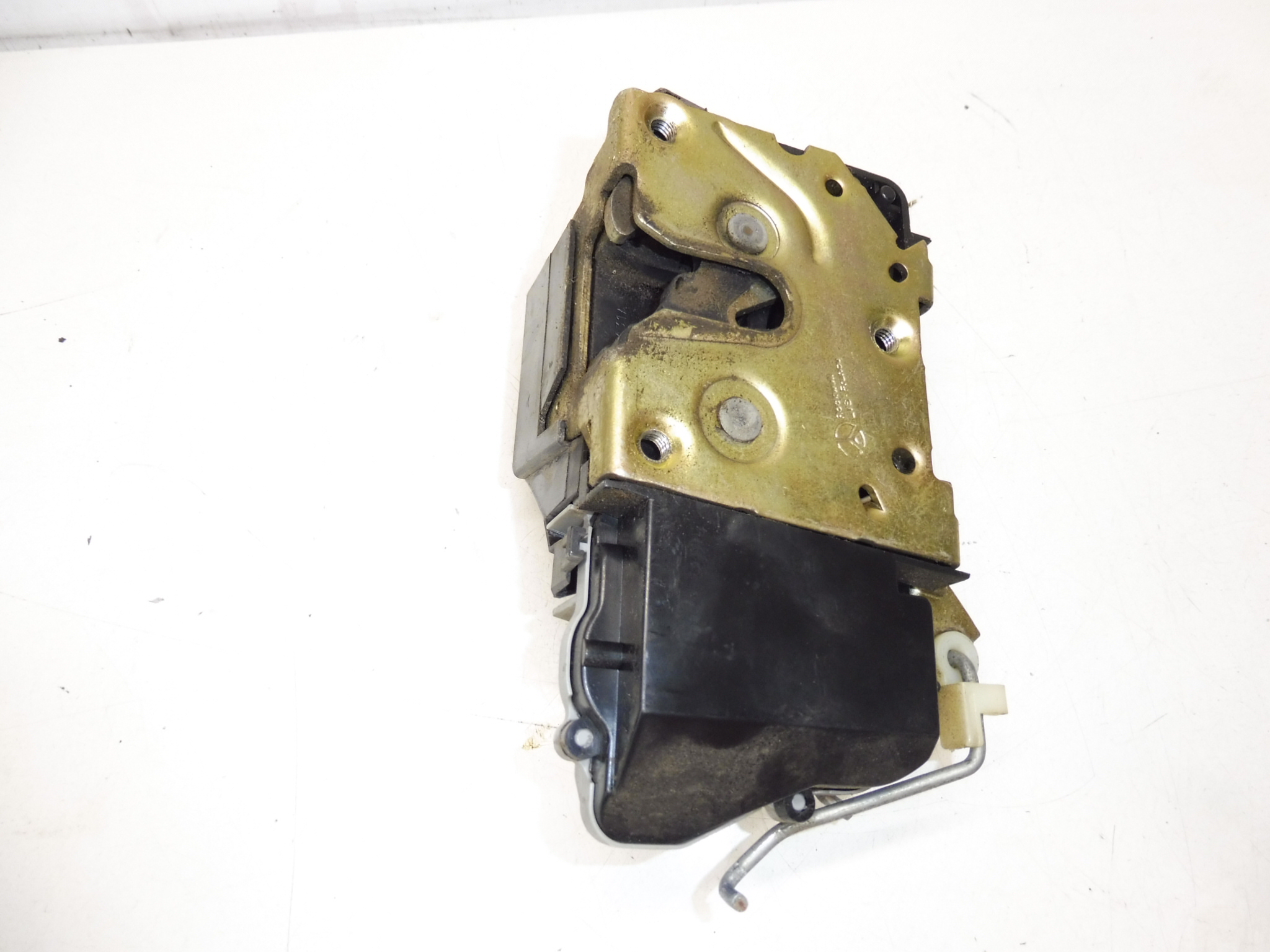
PEUGEOT 307 left front door central locking electric lock
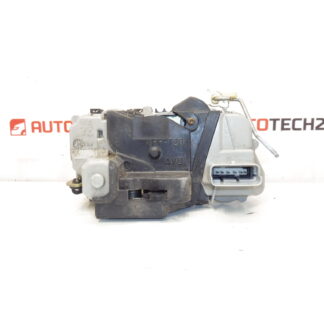
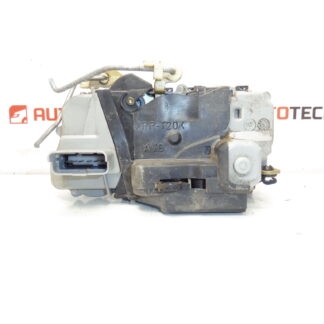
There are two visual but 100% interchangeable designs
Driver’s door
Part description
This used left front door lock is intended for Peugeot 307 cars and is suitable as a spare part in the event of a malfunction of the central locking or door lock mechanism. Thanks to the electric control, it is part of the central locking system and ensures the correct function of locking and unlocking the driver’s door.
According to the available documents, there are two visually different designs, but they are 100% interchangeable. This is practical information, especially when replacing the original damaged part with a functional used piece. The part is also often searched by serial number 9135L0.
Technical information
- Manufacturer: Stellantis Citroën Peugeot
- Model: Peugeot 307
- Other numbers: 9135L0, NFP
Product codes
Product codes: 9135L0
- Make/Model: Peugeot 307
Installation recommendations
Generally and typically for this type of part, replacing the electric door lock requires careful disassembly of the door trim and checking of mechanical and electrical connections. The exact procedure may vary depending on the specific model of the car.
1) Before assembly
- Check that the new used part corresponds to the original piece in terms of shape, connector, attachment and position of the rods.
- Compare product number 9135L0 and visual design.
- Check the condition of the connector, latches, mechanical levers and any signs of damage or excessive wear.
- Before working, it is advisable to disconnect the battery, especially if it interferes with the electrical part of the door.
2) Necessary tools and materials
- Common set of screwdrivers and sockets
- Plastic levers for panel removal
- Pliers for handling tie rods and clamps
- Contact cleaner and cloth
- Work lighting
3) Step-by-step assembly procedure
- Turn off the ignition and prepare the vehicle for safe dismantling.
- Dismantle the inner door trim so as not to damage the handles or covers.
- Carefully move or remove the protective layers that prevent access to the lock.
- Disconnect the electrical connector from the original lock.
- Release the rods, cables or mechanical fasteners that are attached to the lock.
- Unscrew the lock fastening and remove the old part.
- Compare the old and new lock, especially the attachment, levers, connector and position of the mechanical parts.
- Place the replacement lock in place and secure it using the original attachment method.
- Reconnect the tie rods or cables and check for free and proper operation.
- Connect the electrical connector and verify that it is properly seated.
- Before fully assembling the door, try the basic locking and unlocking function.
- After verifying the function, put back the protective layers and install the door trim.
-
4) Post-assembly checks and test drive/function verification
- Verify the mechanical closing and opening of the door.
- Check the central locking function from the remote control and from inside the car, if available.
- Check that the lock works smoothly without stuttering or unusual noises.
- Make sure that nothing prevents the door trim from seating correctly after installation.
5) The most common assembly mistakes + how to avoid them
- Conversion of designs without checking details – even if two visual designs are listed as interchangeable, always compare the connector and the mechanical mount.
- Damage to trim tabs – use appropriate plastic removal tools.
- Incorrect positioning of the rods or cables – always check their movement manually after connecting.
- Insufficiently secured connector – after connection, check for firm seating and cleanliness of contacts.
- Door assembly without prior functional test – always test locking and unlocking before final assembly.
Reasons why the part is damaged
- normal wear and tear of the lock mechanism during long-term use,
- malfunction of the electrical part of the central locking system,
- intrusion of moisture or dirt into the mechanism,
- damage to the connector or wiring in the door,
- excessive strain when locking and unlocking the door,
- damage after previous unprofessional disassembly or assembly.