Description
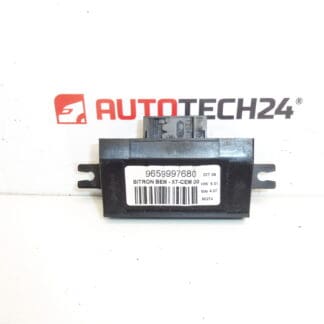
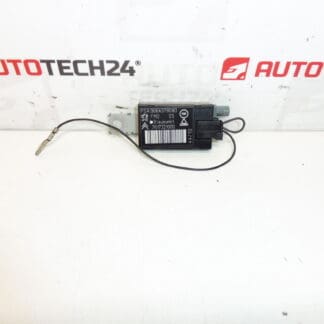
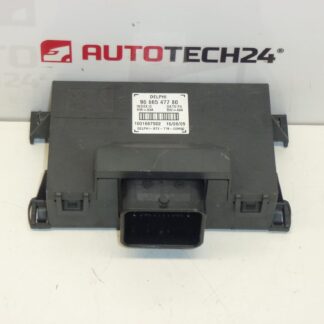
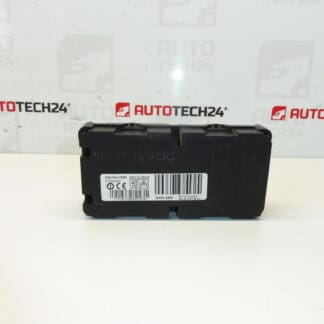
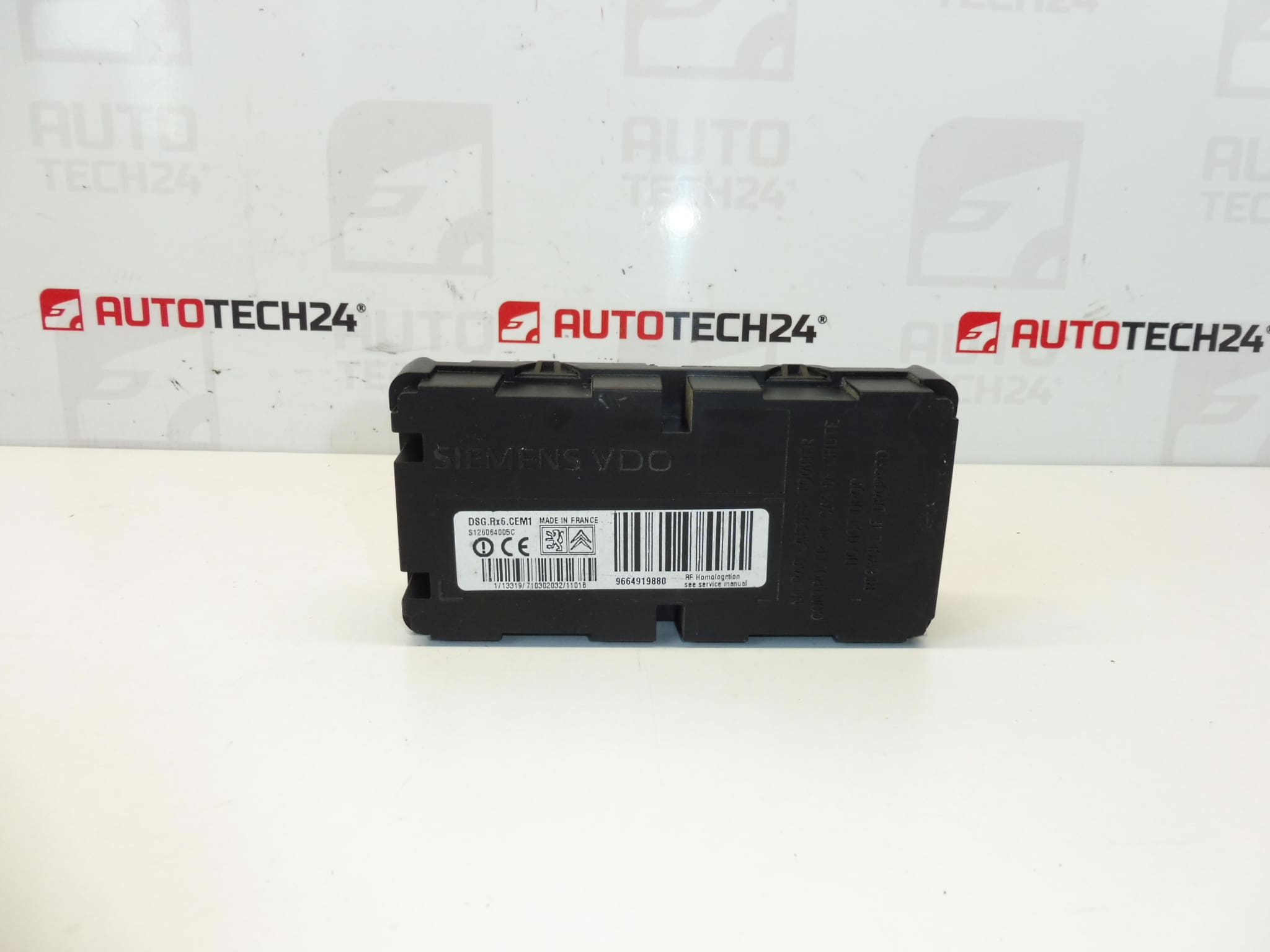
Tyre Pressure Monitoring Control Unit for C5 X7 vehicles.
This Tyre Pressure Monitoring System (TPMS) control unit is intended for Citroën C5 (X7) models and receives wheel sensor signals to monitor tyre pressure and trigger dashboard warnings. It is commonly referenced by part numbers 9664919880, S126064005C and 5430N0 and is compatible with the Stellantis Citroën/Peugeot electronics ecosystem used on the X7 platform. The unit processes sensor data, stores fault codes and communicates with the vehicle network to alert the driver of pressure loss or sensor faults.
Technical Information
- Manufacturer: Stellantis (Citroën / Peugeot)
- Model: Citroën C5 (X7)
- Product Codes: 9664919880, S126064005C, 5430N0
- Additional Numbers: OEM References Used By Citroën/Peugeot Platforms
Compatibility
Primarily fitted to Citroën C5 (X7) generation (commonly 2008–2017). May be used on vehicles from the same Stellantis platform that share the TPMS architecture. Search by part number (9664919880 / S126064005C / 5430N0) to speed up finding the correct unit.
Function
The control unit collects RF signals from wheel-mounted TPMS sensors, interprets pressure and temperature data, and forwards warnings to the instrument cluster when pressures fall outside predefined limits. It also logs diagnostic trouble codes to assist fault finding.
Replacement Procedure
1. Prepare Vehicle: Park on a level surface and engage parking brake. Disconnect the negative battery terminal before starting work to avoid electrical damage.
2. Access Unit: Remove interior trim panels or glovebox components as required to reach the control module location (consult vehicle repair manual for exact position).
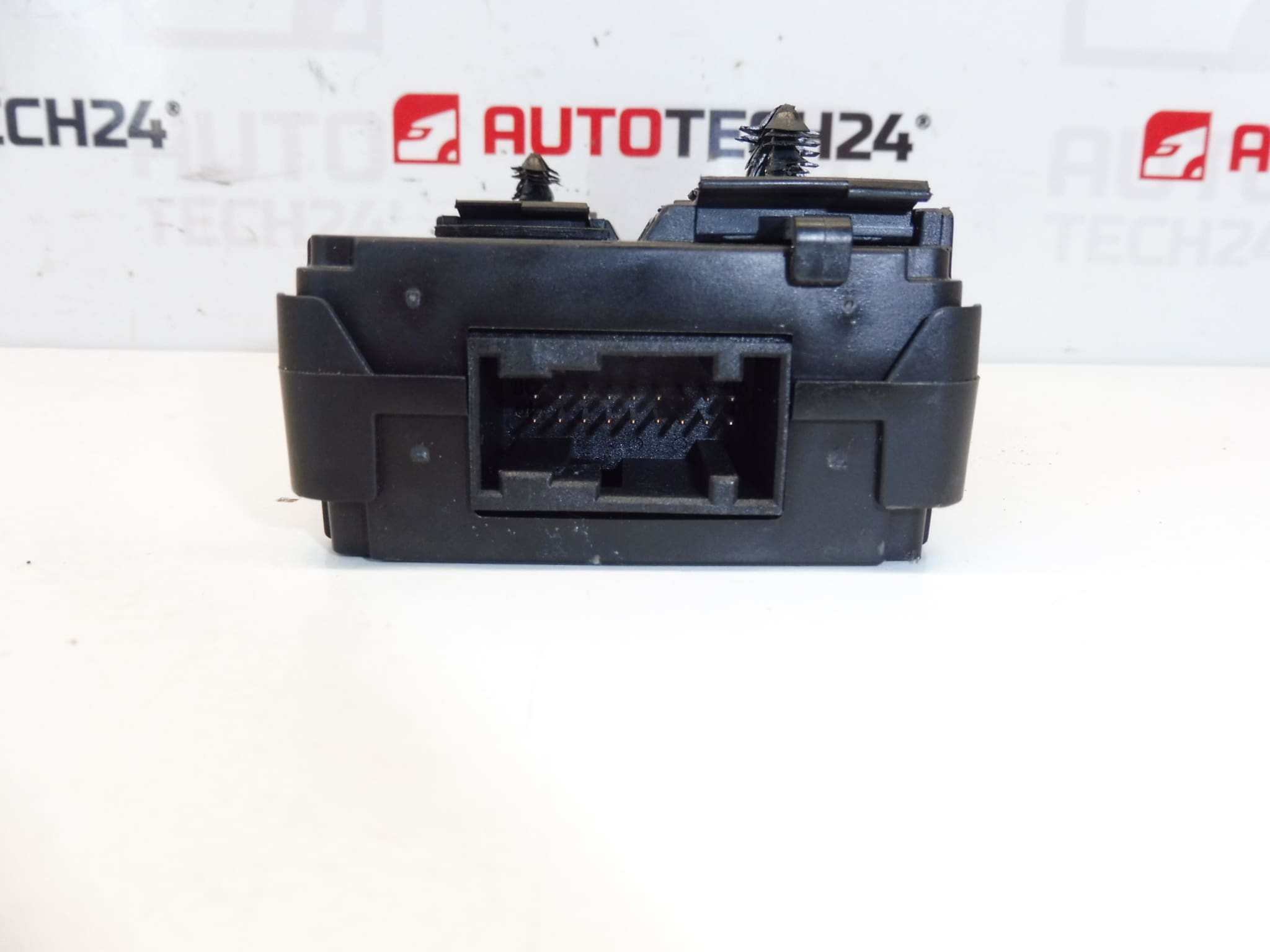
3. Electrical Disconnection: Unplug the multi-pin connector and remove any retaining screws or clips. Protect connectors and wiring from contamination.
4. Fit New Unit: Install the replacement unit, secure fastenings and reconnect the electrical connector.
5. Reinitialization: Perform TPMS sensor relearn/initialization using a diagnostic tool (e.g., DiagBox or a dedicated TPMS tool) or follow the manufacturer’s drive-relearn procedure so the control unit recognises wheel sensor IDs.
6. Final Check: Reconnect the battery, clear any stored TPMS codes if present and verify system operation by measuring tyre pressures or performing a test drive.
Installation Recommendations
- Disconnect The Battery Before Removing Or Installing The Unit To Prevent Damage To Vehicle Electronics.
- Use A Manufacturer-Compatible Diagnostic Tool To Perform Sensor Relearn And Clear Fault Codes.
- Inspect TPMS Sensor Condition And Valve Cores While Replacing The Unit; Sensor Battery Life Typically Ranges Between 5–10 Years.
- Protect Connectors From Moisture And Corrosion; Apply Contact Cleaner If Required And Ensure Proper Sealing Of Trim Panels.
- If You Are Unsure About Reinitialization Or Coding, Have A Technician With PSA Diagnostic Equipment (DiagBox / Lexia) Complete The Procedure.
Why It Fails Most Often
- Water Ingress Or Corrosion Around Connectors Causing Intermittent Or Permanent Electrical Faults.
- Electrical Disturbances Or Voltage Spikes Affecting The Module Electronics.
- Faulty Or Depleted Wheel Sensor Batteries Leading To Communication Loss And Fault Codes.
- Physical Damage From Impact Or Improper Handling During Previous Repairs.
- Aging Electronic Components After Years Of Service.
Notes
Commonly Searched Part Numbers: 9664919880, S126064005C, 5430N0. When replacing the unit, remember that a proper TPMS sensor relearn or initialization is required for full system operation. This control unit integrates into the vehicle network and is key to reliable tyre pressure monitoring and driver safety.