Description
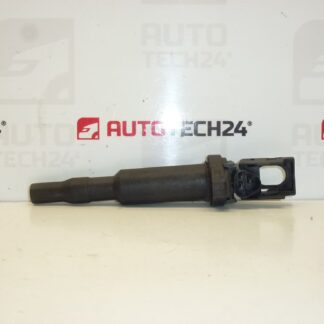
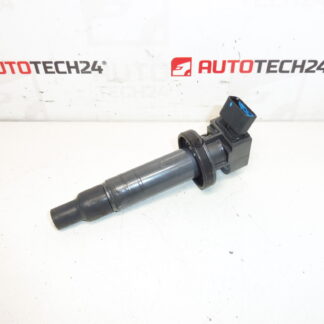
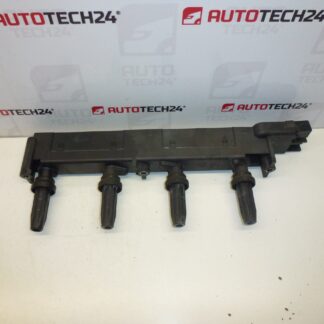
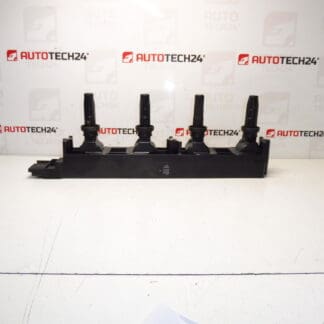
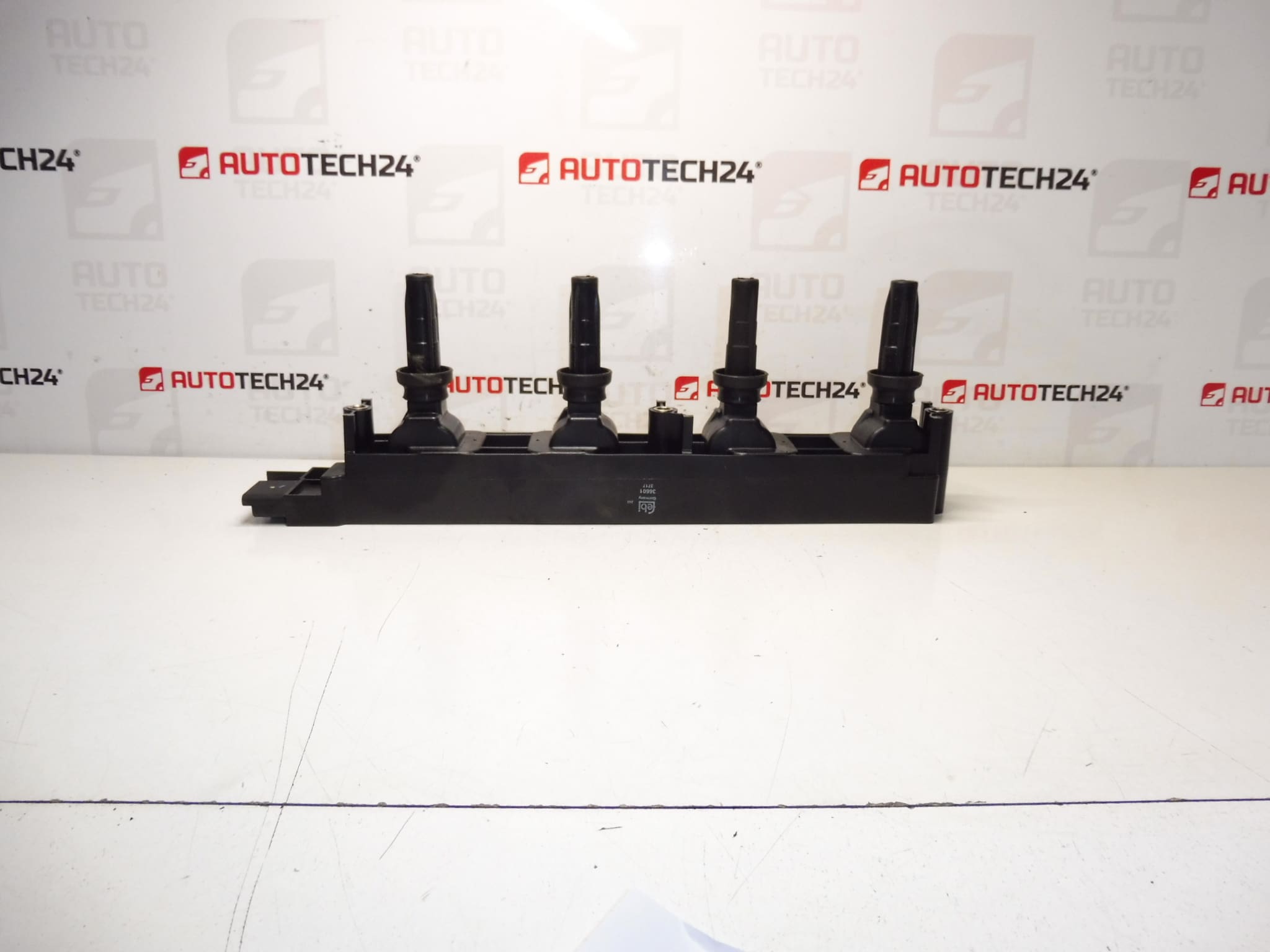
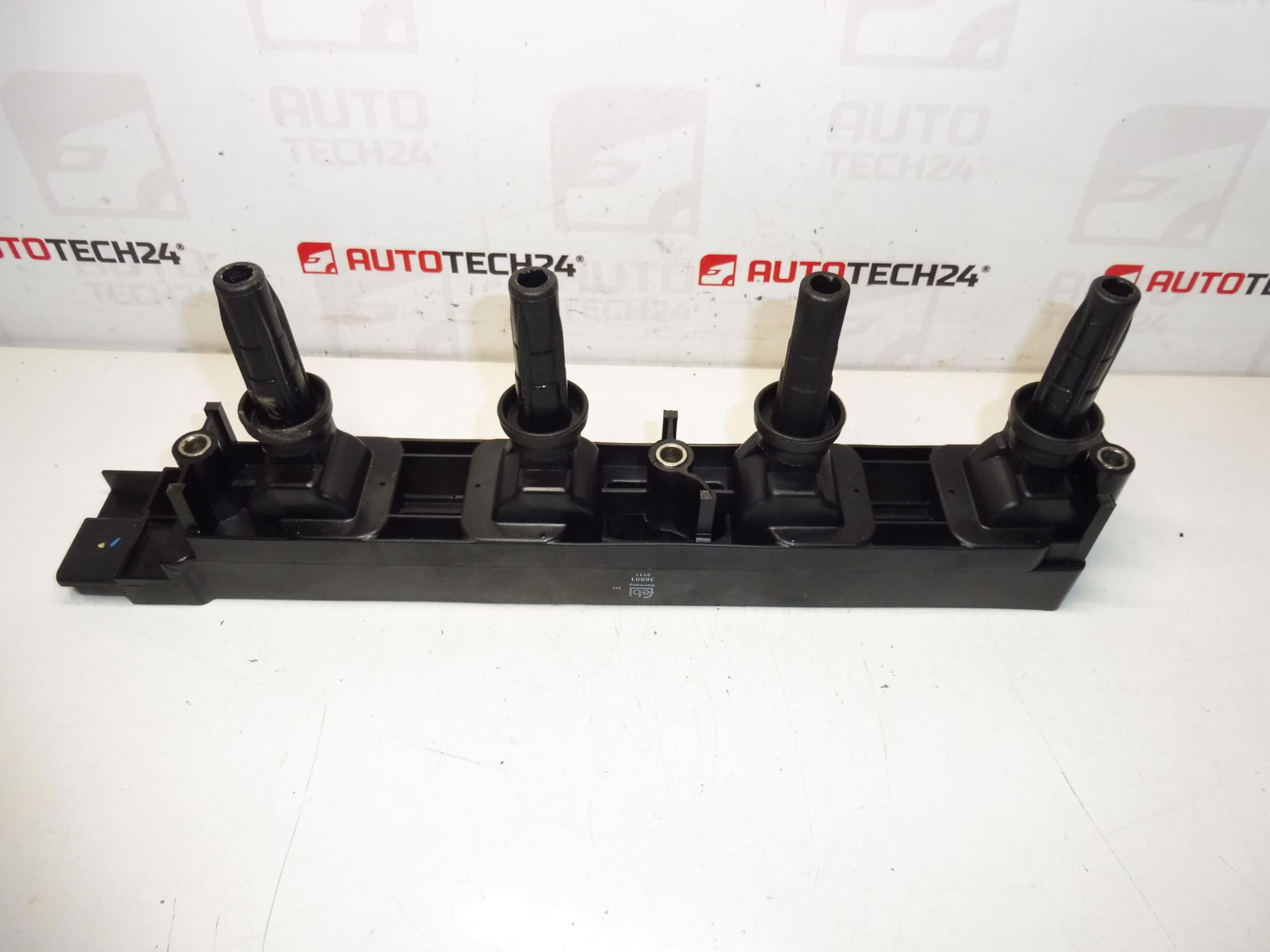
Ignition rail, coil pack for 2.0 16V 130 kW and 2.2 16V 116 kW engines for Citroën and Peugeot vehicles. Lightly used FEBI part.
This ignition rail (coil pack) is a direct-fit replacement commonly referenced under code 5970A5 and designed for a range of Citroën and Peugeot petrol engines. Built to restore reliable spark delivery and eliminate misfire symptoms, the unit is ideal for professional workshops and competent DIY mechanics. Keywords: Ignition Rail, Coil Pack, 5970A5, Citroën, Peugeot, 2.0 16V, 2.2 16V, FEBI.
Technical Information
- Manufacturer: FEBI
- Model: Citroën C4; Citroën C8; Peugeot 206; Peugeot 307; Peugeot 406; Peugeot 407; Peugeot 607; Peugeot 807
- Product Codes: 5970A5
- Additional Numbers: Compatible with 2.0 16V (130 kW) and 2.2 16V (116 kW) petrol engine applications
Compatibility And Fitment
The unit fits a number of Stellantis group petrol engines used across Citroën and Peugeot model ranges listed above. It is intended for engines with 2.0 16V (130 kW) and 2.2 16V (116 kW) specifications. Always verify engine variant visually before installation to ensure the connector arrangement and mounting points match the vehicle.
Function
The ignition rail (coil pack) houses multiple ignition coils and provides the high-voltage pulses required to fire each spark plug in sequence. Proper coil function is essential for stable idle, smooth acceleration, correct fuel combustion and minimal exhaust emissions.
Common Failure Causes
- Heat Stress: Repeated thermal cycles cause internal insulation breakdown and intermittent coil faults.
- Moisture Ingress: Water or oil contamination can lead to short circuits or tracking across coil surfaces.
- Connector Corrosion Or Wiring Damage: Poor electrical contact causes misfires and intermittent operation.
- Mechanical Damage: Cracked housing or broken mounting points impair sealing and alignment.
Why The Part Most Commonly Fails
These ignition rails most often fail due to prolonged exposure to high under‑bonnet temperatures combined with moisture or oil contamination. Aging insulation and degraded internal components then lead to weak or inconsistent spark output, which shows up as misfires, rough idle or a check-engine light.
Replacement Guide
General replacement steps for experienced technicians or skilled DIYers:
- Park on a level surface, set the handbrake and disconnect the negative battery terminal to avoid accidental arcing.
- Allow the engine to cool. Remove the engine cover and any obstructing components to access the ignition rail.
- Carefully unplug the electrical connector(s) and remove the ignition leads or plug boots as applicable.
- Remove mounting bolts securing the ignition rail, extract the old unit and compare connectors and mounting points with the new part.
- Install the replacement rail, refit bolts and connectors, ensuring correct seating of plug boots. Tighten fasteners to the manufacturer’s torque specifications.
- Reconnect the battery, start the engine and verify smooth running and absence of misfire codes.
Installation Recommendations
- Replace spark plugs at the same time if they are worn; old plugs increase coil load and shorten coil life.
- Inspect wiring harnesses and connectors for damage or corrosion; repair any issues before fitting the new rail.
- Use dielectric grease sparingly on connector pins and plug boots to improve sealing and prevent moisture ingress.
- Do not overtighten mounting bolts; follow the vehicle manufacturer’s torque recommendations.
- Check nearby oil seals and valve cover gaskets for leaks that could contaminate the ignition rail.
Designed for workshops and skilled home mechanics, this FEBI ignition rail offers a practical solution to eliminate ignition-related faults on compatible Citroën and Peugeot engines. Ensure proper installation and connector care to maximize service life.