Description
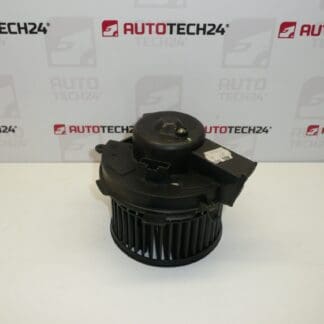
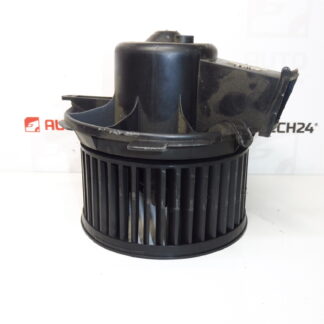
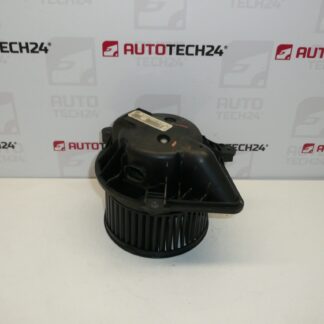
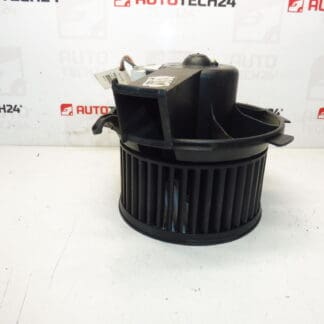
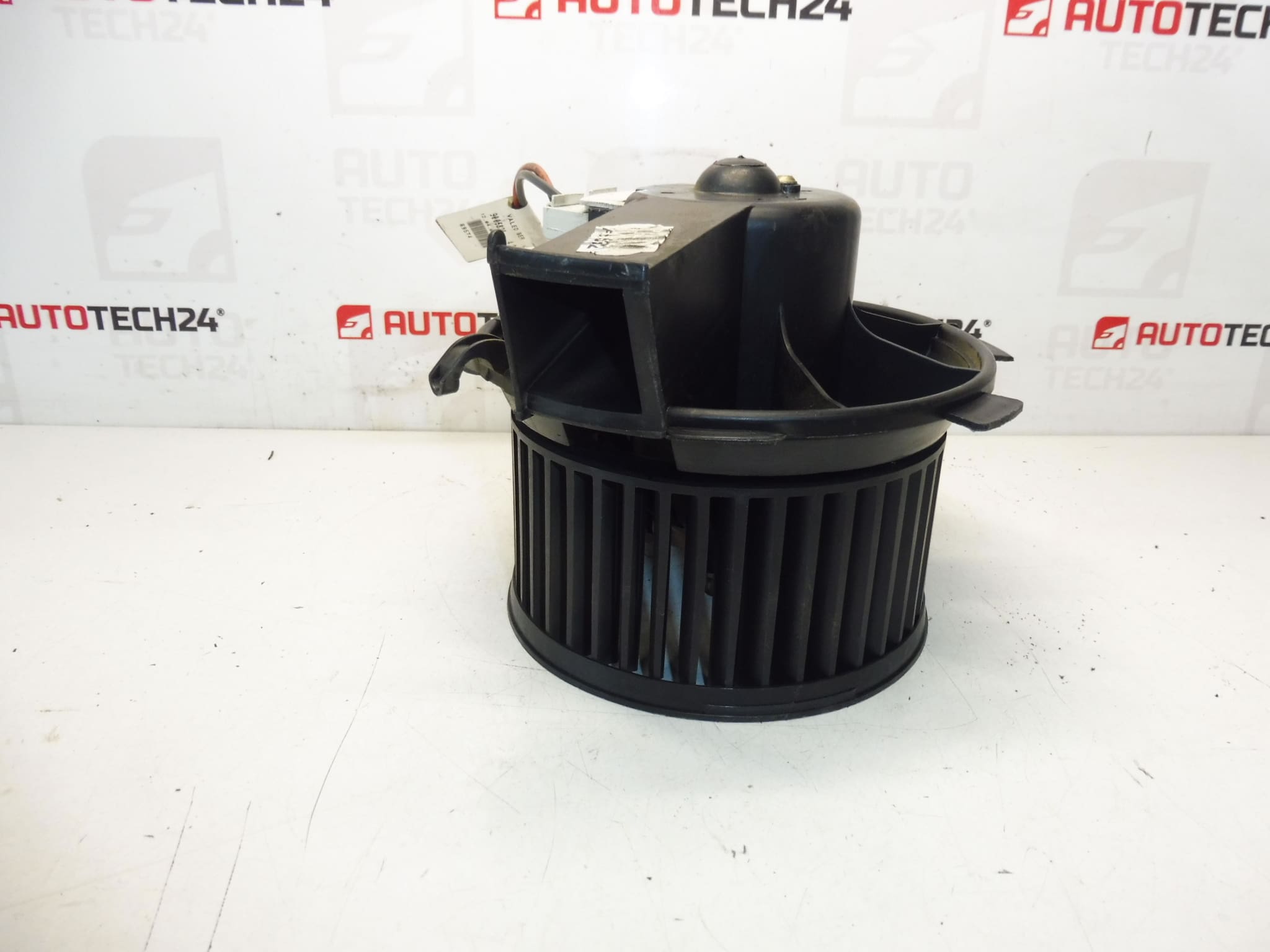
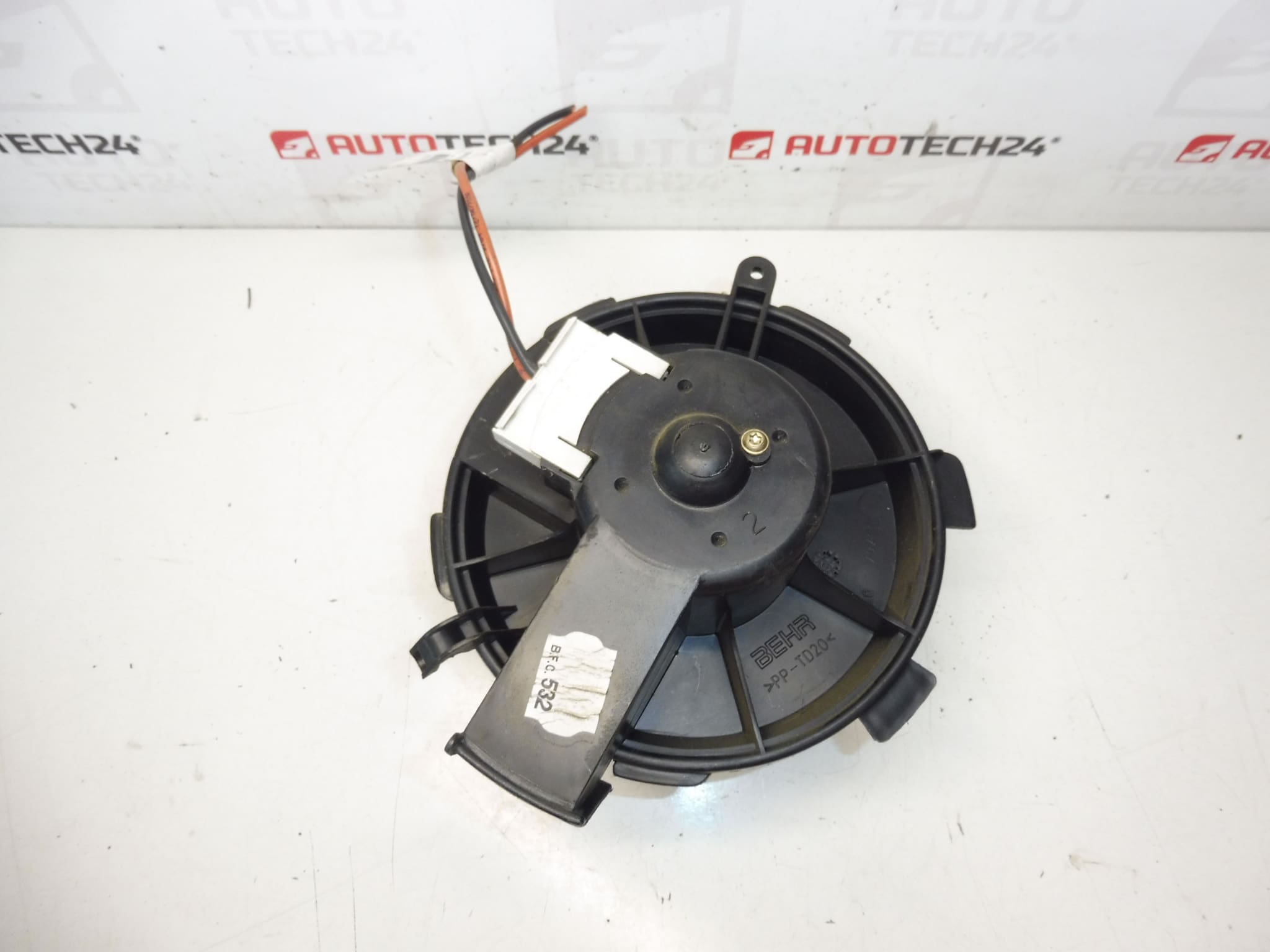
Heater fan for Peugeot 206 and 206+ cars
Part description
The used heating fan 6441J8 is intended for Peugeot 206 and Peugeot 206+ cars. It is an important part of the heating and ventilation system, which ensures the flow of air into the interior. A properly functioning heater fan has a major impact on the comfort of the crew, the demisting of the windows and the normal use of heating and ventilation.
This auto part is a good choice for mechanics and do-it-yourselfers looking for a genuine used part by product number. The designation 6441J8 is among the frequently searched codes for repairs to the heating and ventilation system in Peugeot cars.
Technical information
- Manufacturer: Stellantis Citroën Peugeot
- Model: Peugeot 206, Peugeot 206+
- Other numbers: 6441J8 NFP
Product codes
Product codes: 6441J8
- Peugeot 206
- Peugeot 206+
Installation recommendations
Generally/typically for heater fan replacement, the exact procedure may vary depending on the specific design of the car and access to the part. Below is a safe and practical general procedure for this type of electrical part.
1) Before assembly
- Check that the markings on the original and new part match, especially 6441J8.
- Compare the shape of the fan body, mounting, electrical connector and possible mounting points.
- Inspect the used part for damage to the plastic packaging, fan blades or connector.
- Manually verify that the impeller rotates smoothly and without stuttering.
2) Necessary tools and materials
- Basic set of screwdrivers and sockets
- Plastic pry bar for removing interior covers
- Flashlight
- Cleaning agent for removing dust and dirt
- Work gloves
3) Step-by-step assembly procedure
- Park the vehicle in a safe place and turn off the ignition.
- Disconnect the battery to prevent accidental closing of the electrical circuit.
- Access the space for the heater fan by removing the relevant covers or trim.
- Disconnect the electrical connector from the old fan carefully, without force and without damaging the latches.
- Unfasten the original part and remove the fan.
- Compare the old and new piece side-by-side, including the connector, mounting direction and attachment.
- Clean the mounting area from dust, leaves and other debris that could affect the operation of the fan.
- Place the used fan in place in the same position as the original part was installed.
- Reattach the fan so that it sits properly in the housing and is not under tension.
- Connect the electrical connector and check that it clicks properly.
- Reinstall all removed covers and trim.
- Connect the battery and perform a basic fan function check.
-
4) Post-assembly checks and functional test verification
- Verify that the fan runs smoothly without excessive noise, vibration or speed fluctuations.
- Check that air flows into the interior when the ventilation and heating are switched on.
- Listen for rubbing, clicking or contact of the blades with the surroundings.
- After a short operation, recheck the correct seating of the part and the connector.
5) The most common assembly mistakes + how to avoid them
- Exchanging a part by appearance instead of code – always compare the designation 6441J8 and the design.
- Damage to the connector or latches – disconnect and connect the connector carefully, without prying with force.
- Assembly in a dirty area – before installing the part, clean the surroundings so that dirt does not get into the fan.
- Bad seating of the fan – after fixing, check that the part sits straight and does not rub anywhere.
- Not disconnecting the battery before work – for electrical parts, this is the basic prevention of damage and short circuits.
Reasons why the part is damaged
- Normal wear and tear during long-term operation and frequent use of ventilation or heating.
- Contamination with debris such as dust, leaves or other deposits that can increase drag and noise.
- Wear of the electric motor or its internal parts, which manifests itself in weak performance or irregular operation.
- Overloading of the electrical part due to deteriorated contact on the connector or higher resistance in the circuit.
- Mechanical damage during unprofessional disassembly, assembly or when interfering with the surrounding parts of the system.