Description
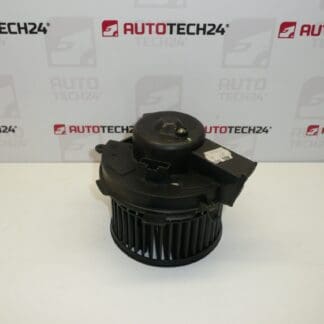
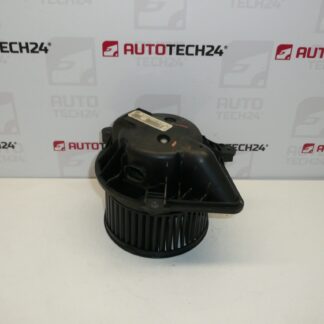
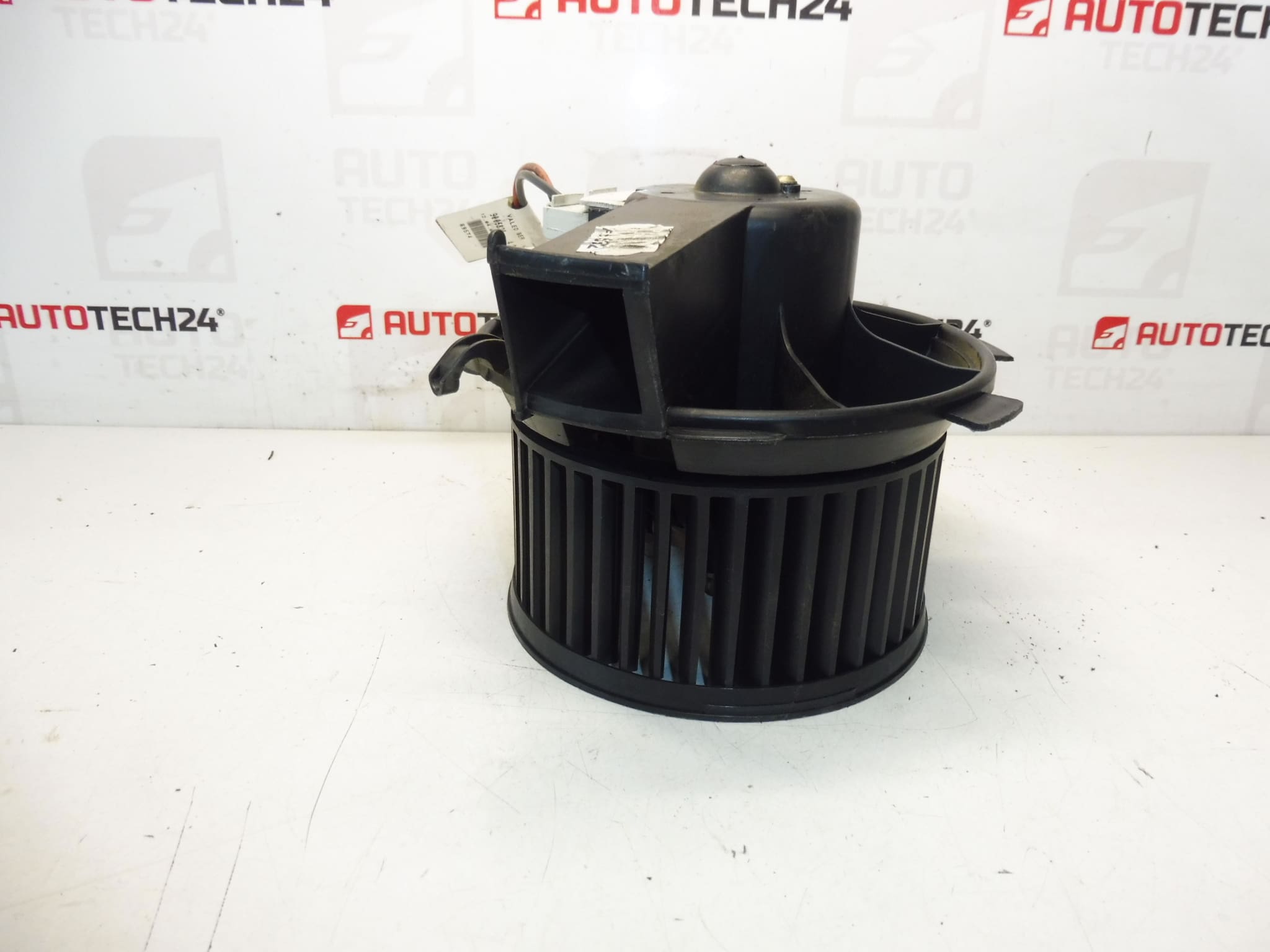
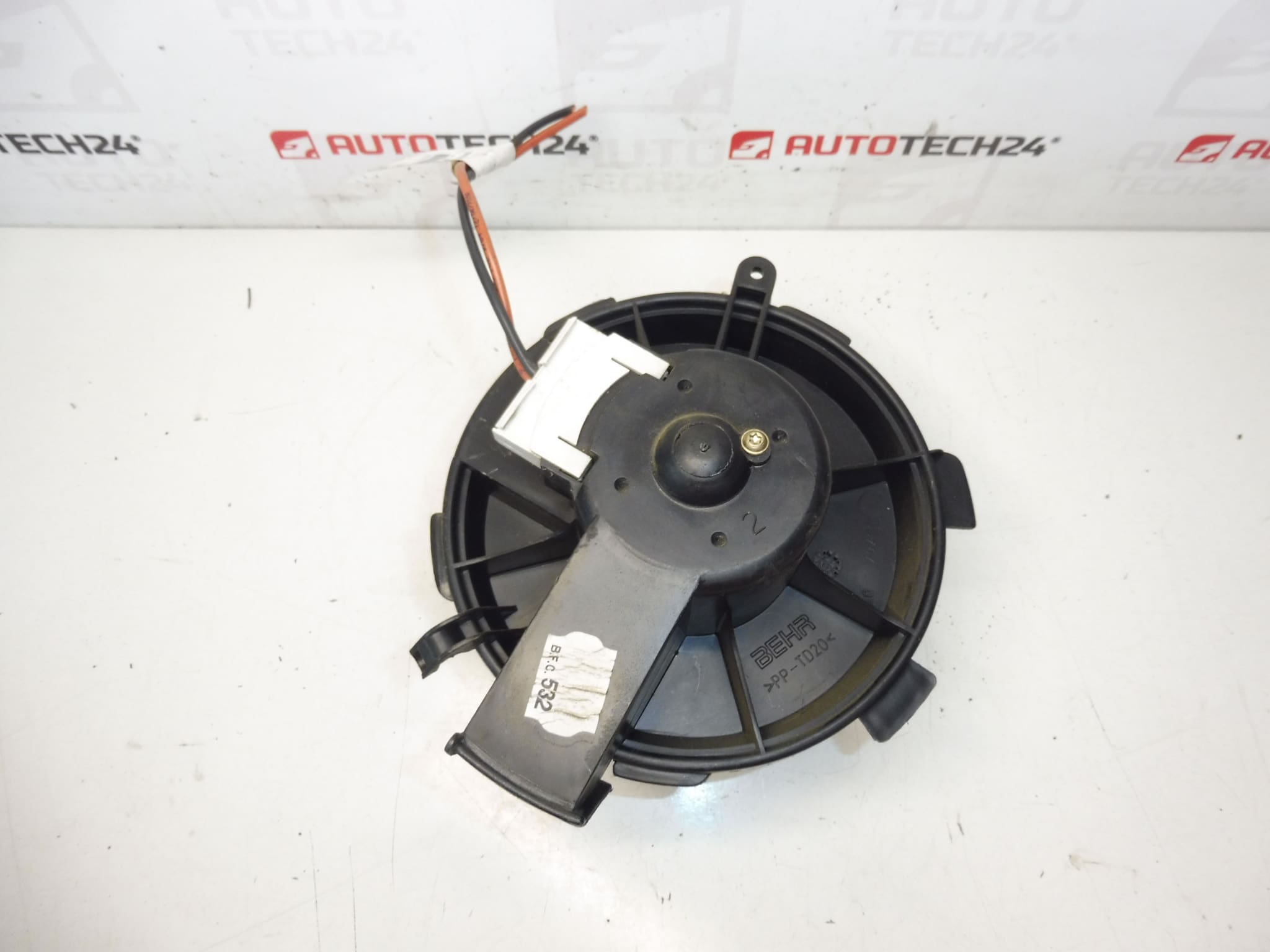
Heater blower fan for Peugeot 206 and 206+.
Product Overview
High-quality heater blower fan designed for cabin climate control systems in small Stellantis vehicles. This electric blower motor assembly delivers consistent airflow for heating and ventilation, restoring proper cabin circulation and improving HVAC efficiency. Ideal for professional workshops and DIY mechanics looking to replace a faulty blower motor quickly and reliably.
Key Benefits
- Direct fit for compatible models with original equipment part number 6441J8.
- Restores full airflow and silent operation, eliminating intermittent operation or excessive noise.
- Simple swap reduces workshop time — suitable for routine HVAC repairs and maintenance.
Technical Information
- Manufacturer: Stellantis (Citroën / Peugeot)
- Model: Peugeot 206; Peugeot 206+
- Product Codes: 6441J8
- Additional Numbers: NFP
Function And Design
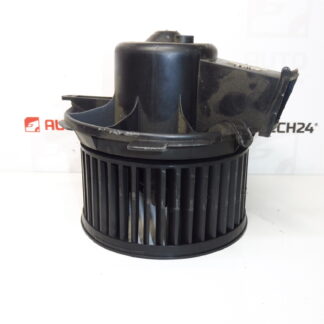
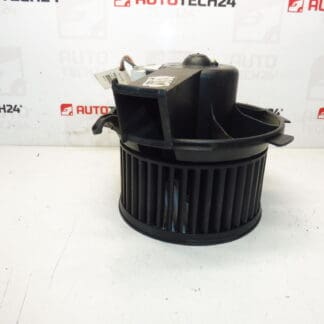
The unit is an electric heater blower motor with integrated fan wheel (squirrel-cage). It forces air through the heater core and ventilation ducts to deliver heated or cooled air into the passenger compartment. As an electromechanical component it combines a DC motor, fan impeller and mounting flange that fits into the HVAC housing.
Typical Replacement Procedure
Replacement is straightforward for a trained technician or experienced DIY mechanic. Typical steps:
- Disconnect the negative battery terminal before starting work.
- Remove the necessary trim or glovebox to access the HVAC plenum (vehicle-dependent).
- Disconnect the electrical connector from the blower motor.
- Unscrew the mounting bolts and extract the blower assembly from the housing.
- Install the new blower, secure fasteners, reconnect the electrical connector and reassemble trims.
- Reconnect the battery and test all fan speeds and HVAC functions.
Installation Recommendations
- Always disconnect the battery before removal to avoid short circuits and protect vehicle electronics.
- Inspect the HVAC housing and ducting for leaves, debris or signs of water ingress and clean before installation.
- Check the blower resistor and fuses if the fan previously operated only on certain speeds — these items commonly fail together.
- Use correct torque for mounting screws and ensure the fan wheel turns freely before final assembly.
Why This Part Fails Most Often
Common failure causes include worn motor brushes or bearings, seized shaft due to debris or water ingress, electrical faults in the connector or wiring, and overheating from obstructed airflow. Normal service life depends on usage and environment; frequent heavy use, damp conditions or clogged filters accelerate wear.
Durability And Maintenance
Expected service life varies but typically spans several years under normal conditions. Regular cabin filter changes and keeping the cowl area clear of leaves will prolong blower motor life. If the fan becomes noisy, intermittent, or stops at certain speeds, replacement is recommended to avoid unexpected HVAC loss.
Purchase Advice
Searchable by OEM code 6441J8, this blower fan is an essential replacement for restoring reliable heating and ventilation in affected Peugeot 206 and 206+ vehicles. Suitable for professional garages and competent DIYers, it brings back quiet, full-range fan operation and helps maintain cabin comfort year-round.