Description
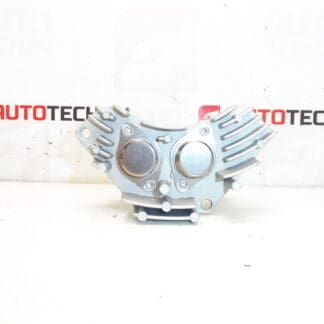
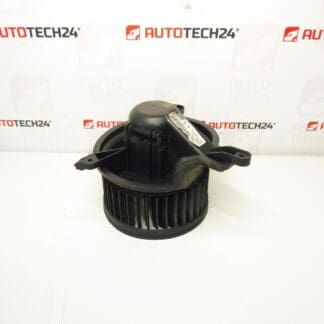
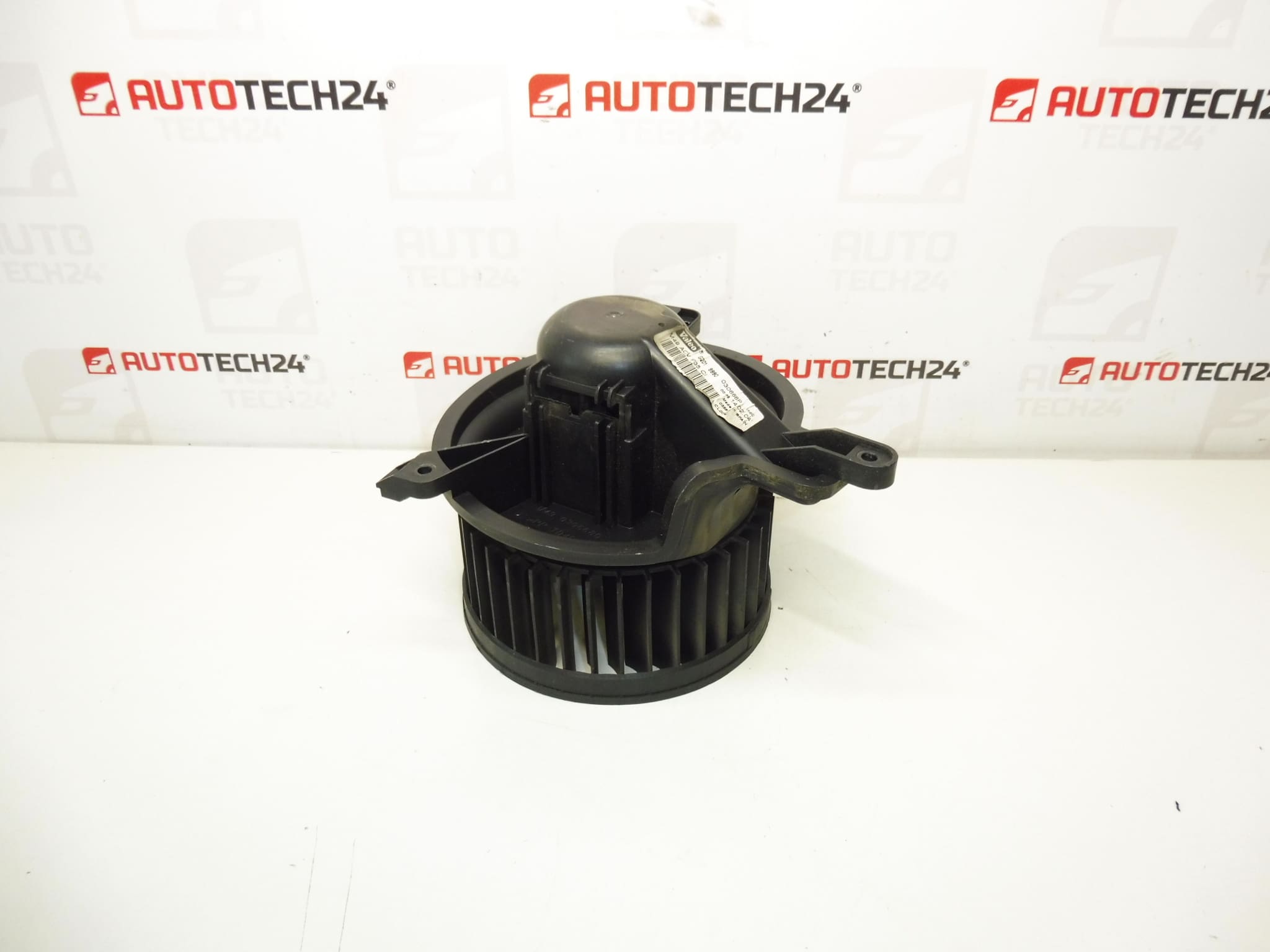
Heating fan for CITROEN Berlingo II and PEUGEOT Partner II
No air conditioning
Part description
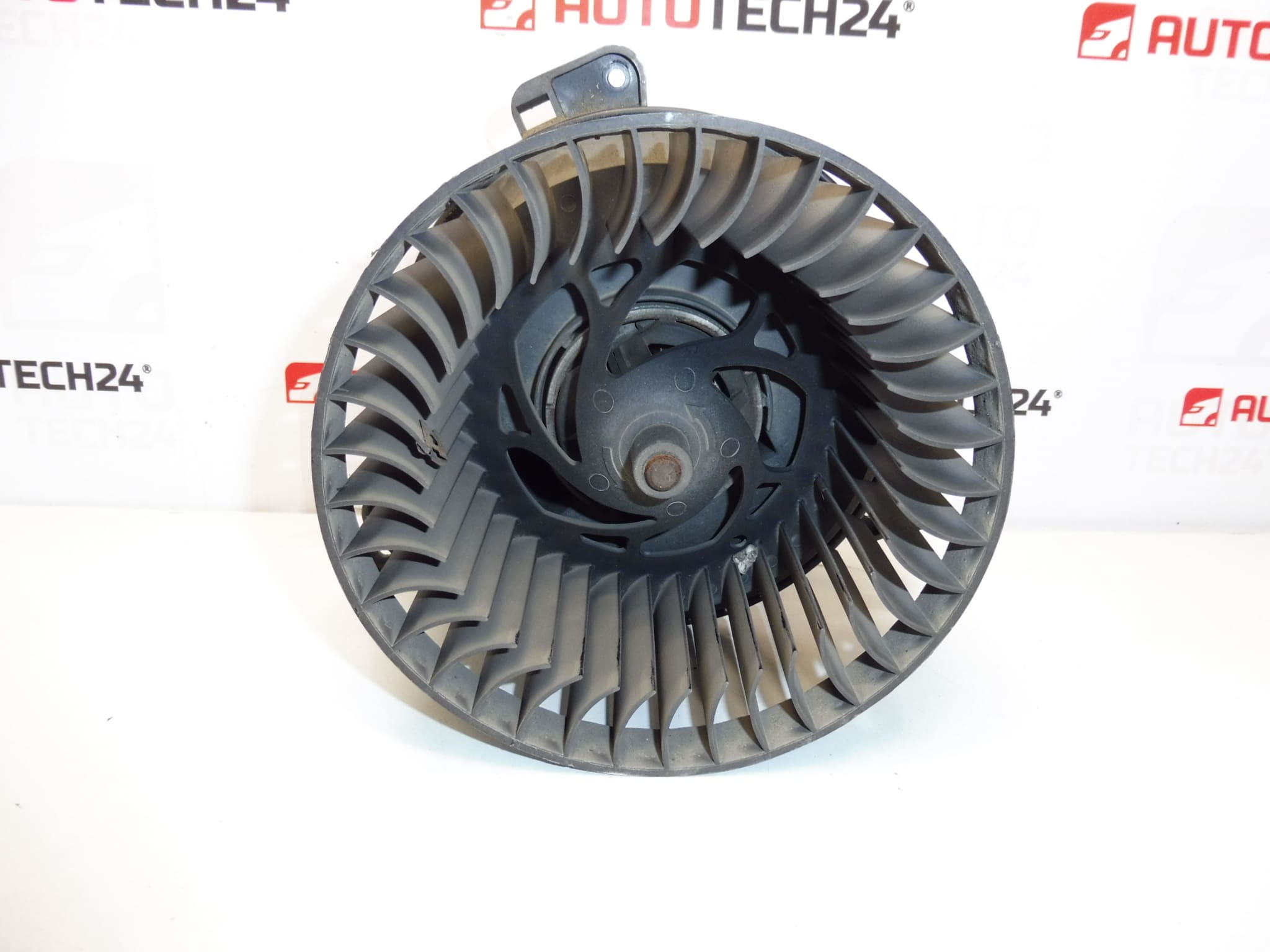
The used heating fan is designed for Citroën Berlingo II and Peugeot Partner II without air conditioning. It is an important part of the heating and ventilation system, which ensures the flow of air into the interior of the car. If the original fan is not working properly, typical symptoms are poor or no air flow, erratic operation or excessive noise during operation.
This part is often searched for by production numbers, so we include the designations 030666P and 6441R4 in the description. It is a practical replacement for auto mechanics and home handymen when repairing the heating and ventilation of PSA cars.
Technical information
- Manufacturer: Stellantis Citroën Peugeot
- Model: Citroën Berlingo II, Peugeot Partner II
- Other numbers: 030666P, 6441R4
Product codes
- Product codes: 030666P, 6441R4
- Model names: Citroën Berlingo, Peugeot Partner
Installation recommendations
Generally/typically, the exact replacement procedure may vary depending on the specific car design, but for the heater fan without air conditioning, the following practical procedure should be followed.
1) Before assembly
- Check if the designation 030666P / 6441R4 matches the old part.
- Compare the electrical connector, mount shape, body orientation and fan diameter with the old piece.
- Check the condition of the fan blades for cracks, deformation or excessive contamination.
- Verify that the impeller rotates smoothly and without significant resistance or rubbing.
2) Necessary tools and materials
- set of common hand tools
- screwdrivers and bits according to the type of connecting material
- plastic pry bar for removing covers
- flashlight
- cleaning agent for removing dust and dirt
- protective gloves
3) Step-by-step assembly procedure
- Secure the vehicle against movement and switch off the ignition.
- Disconnect the battery as a precaution, especially if you will be handling electrical connectors in the interior.
- Access the fan compartment by removing covers or trims that prevent access to the part.
- Disconnect the electrical connector of the old fan carefully so as not to damage the latches.
- Unfasten the fan and remove the old part without using force to avoid damaging the surrounding plastics.
- Compare the old and new part side by side, especially the mounting, connector and overall design.
- Clean the mounting area from dust, leaves and other debris that could shorten the life of the fan or cause noise.
- Insert the used fan in the correct position and seat it evenly in the mounting location.
- Secure the fan with the original mounting without excessive force to avoid damage to the plastic body.
- Connect the electrical connector and check that it is firmly seated.
- Reinstall all covers and removed interior parts.
- Connect the battery and perform a functional test of the fan in all available control stages.
-
4) Post-assembly checks and function verification
- Check that the fan starts up smoothly and without unusual vibrations.
- Verify that the airflow is stable and without dropouts.
- Listen for scraping, knocking or whistling.
- After a short test drive, check again that the heating and ventilation are working properly.
5) The most common assembly mistakes + how to avoid them
- Part exchange based on appearance – always compare the product numbers and the connector as well.
- Damage to the connector – disconnect and connect the connector gently, without prying with force.
- Installation in a polluted area – clean the area thoroughly before installing the fan.
- Incorrect fan seating – check that the part sits straight and without tension before tightening.
- Overview of mechanical damage – check the condition of the blades and the free running of the fan motor before assembly.
Reasons why the part is damaged
- Normal wear of the electric motor and bearing parts during long-term operation.
- Clogging with dirt such as dust, leaves or other debris from the ventilation system.
- Moisture and prolonged exposure to adverse conditions that can affect the electrical and mechanical parts.
- Overloading of the fan with impaired free running or with mechanical resistance in the system.
- Damage to the blades by a foreign object, which subsequently manifests itself in vibrations, noise or reduced performance.
- Faulty electrical contact or transient resistance in the supply, which can cause erratic operation.