Description
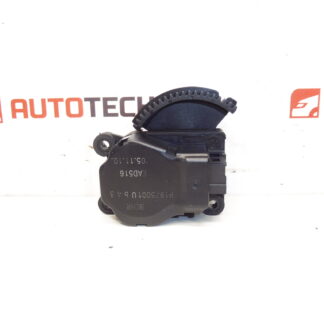
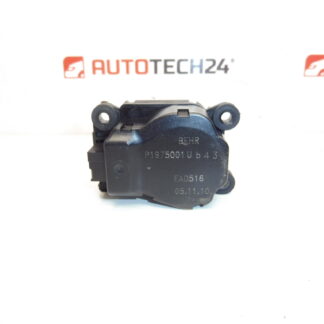
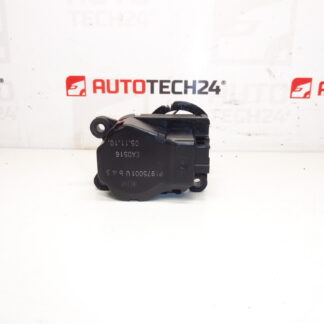
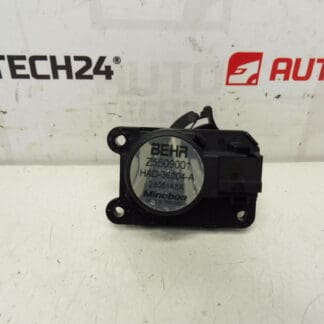
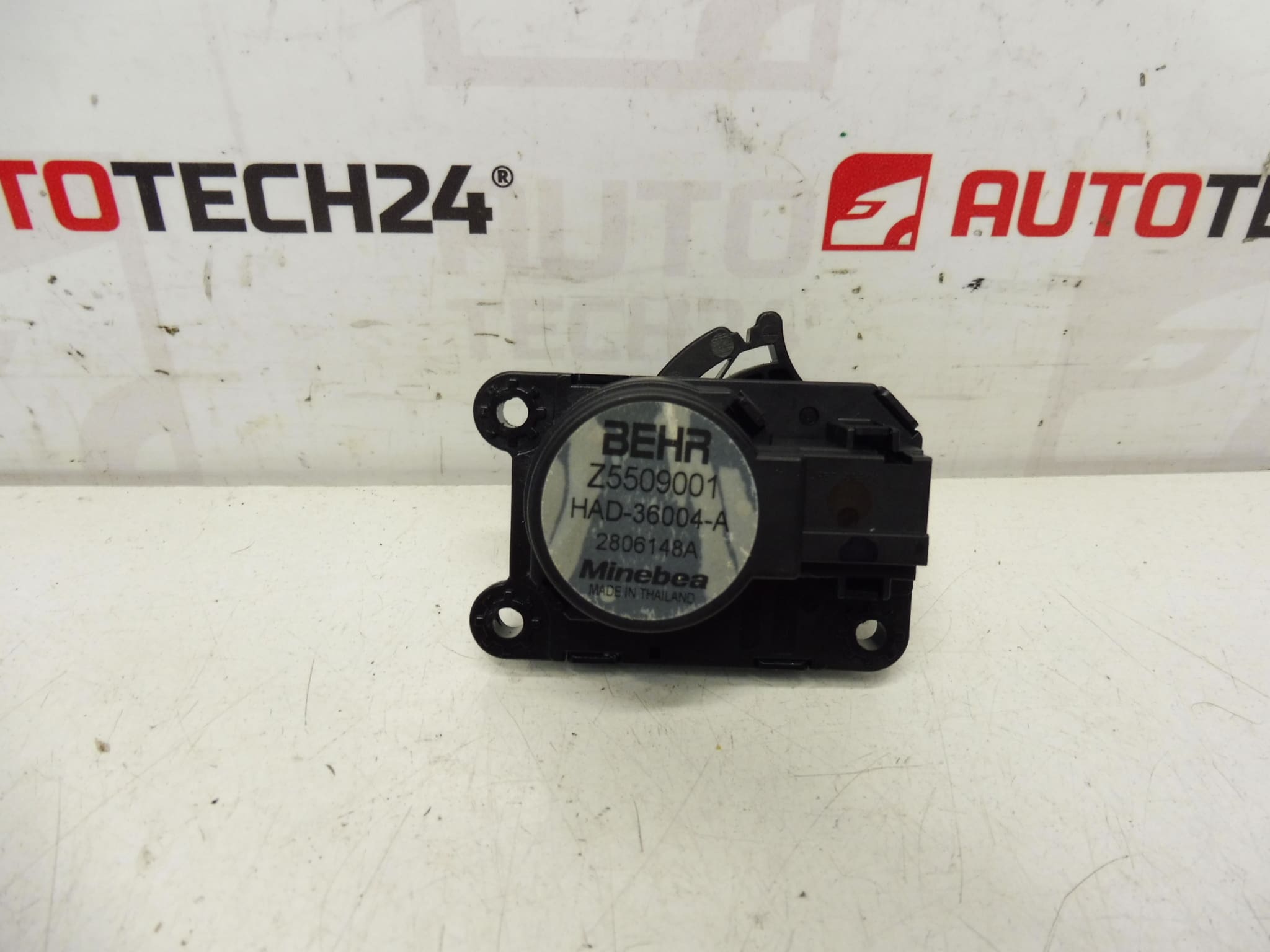
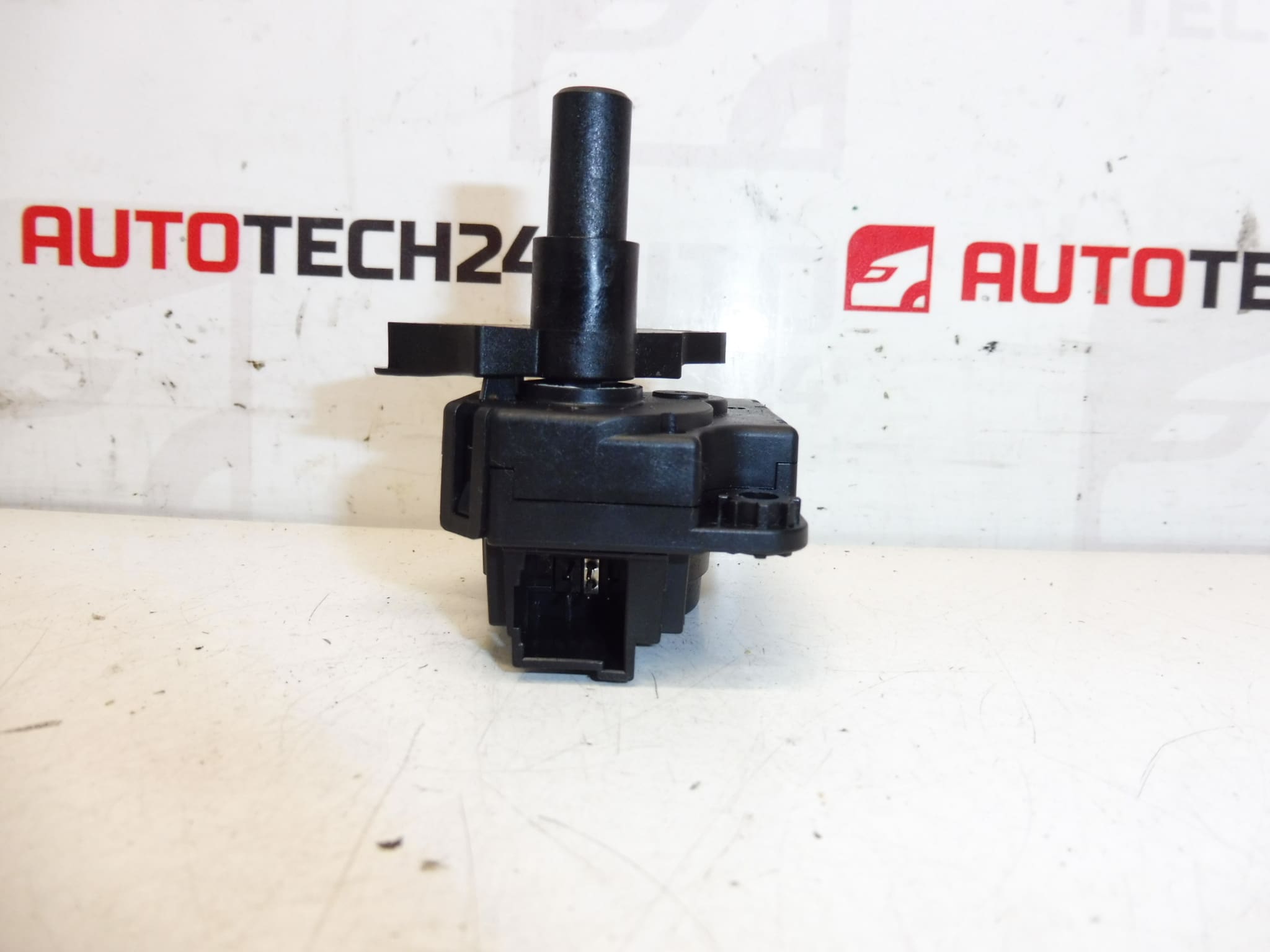
Behr heater servo motor for Peugeot 3008 and 5008 first generation. The gear section can be removed and only the motor can be used.
This Behr heater servo motor is designed for first‑generation Peugeot 3008 and 5008 climate systems and is commonly searched by part numbers Z5509001, 2706148A and 647995. The actuator controls the heater/air distribution flaps inside the HVAC box to regulate airflow direction and cabin comfort. The removable gear section makes it possible to replace or reuse only the electric motor when the plastic gear is damaged, reducing repair time and cost.
Ideal for professional workshops and experienced DIY mechanics, the unit is a straightforward direct‑fit replacement in PSA climate housings. When replacing the actuator you restore accurate flap movement, eliminate unwanted noises from broken gears, and recover precise climate control response.
Replacement Procedure
Accessing the heater servo motor typically requires removal of the glovebox or lower dashboard trim to reach the HVAC housing. Basic replacement steps:
- Disconnect the battery before starting work to avoid short circuits and protect vehicle electronics.
- Remove the glovebox or lower trim panels to access the heater box.
- Unplug the electrical connector from the actuator and remove the mounting screws.
- If reusing the gear, carefully separate the removable gear section and fit it onto the new motor shaft.
- Install the new actuator, secure fasteners, reconnect the electrical connector and reassemble the trim.
- Switch on the ignition and cycle the climate controls through their range to verify smooth flap movement and correct operation.
Technical Information
- Manufacturer: BEHR
- Model: Peugeot 3008 I; Peugeot 5008 I
- Product Codes: Z5509001 / 2706148A / 647995
- Additional Numbers: None Listed
- Voltage: 12 V DC
- Function: Heater/air distribution flap actuator (HVAC servo motor)
Installation Recommendations
- Always disconnect the battery before removing or installing electrical components.
- Work on a cool vehicle interior to avoid plastic deformation of HVAC components.
- If the original plastic gear is intact, transfer it carefully to the replacement motor; if the gear shows wear or broken teeth, replace it to prevent rapid re‑failure.
- After fitting, verify full travel of flaps by cycling the climate modes; some systems self‑calibrate on first power‑up.
- Use appropriate trim tools to avoid damaging dashboard panels and fasteners.
Why This Part Fails Most Often
- Plastic Gear Wear Or Broken Teeth: The most common failure is mechanical damage to the plastic gear, causing grinding noises and loss of flap movement.
- Motor Wear: Brushes or internal motor components can wear over time, reducing torque and causing intermittent operation.
- Ingress And Contamination: Moisture, dust or debris in the heater box can accelerate gear wear and corrode electrical contacts.
- Connector Corrosion Or Wiring Issues: Poor contact or damaged wiring can lead to erratic actuator behavior.
- Stalled Flap Loads: A seized or obstructed flap can overload the motor and shorten its service life.
Typical fitment and product numbers make this servo motor easy to find and order. For professional installations, follow vehicle manufacturer procedures and verify actuator operation after installation to ensure reliable climate control performance.