Description
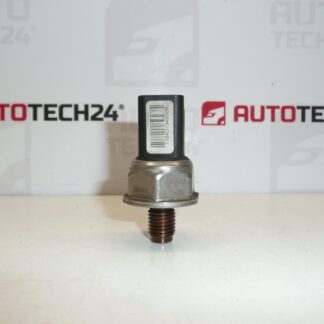
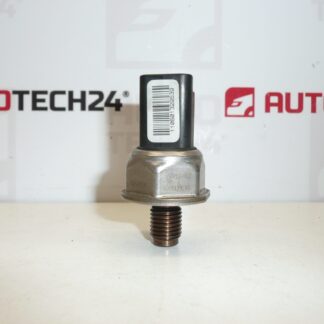
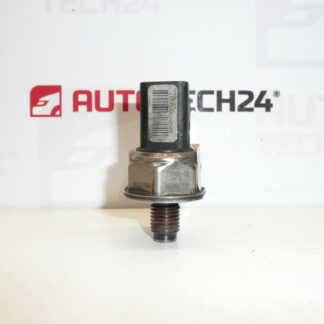
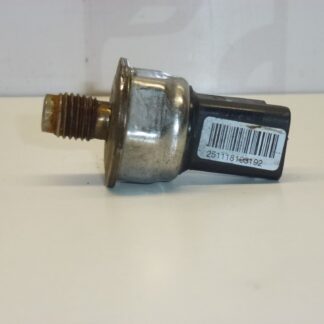
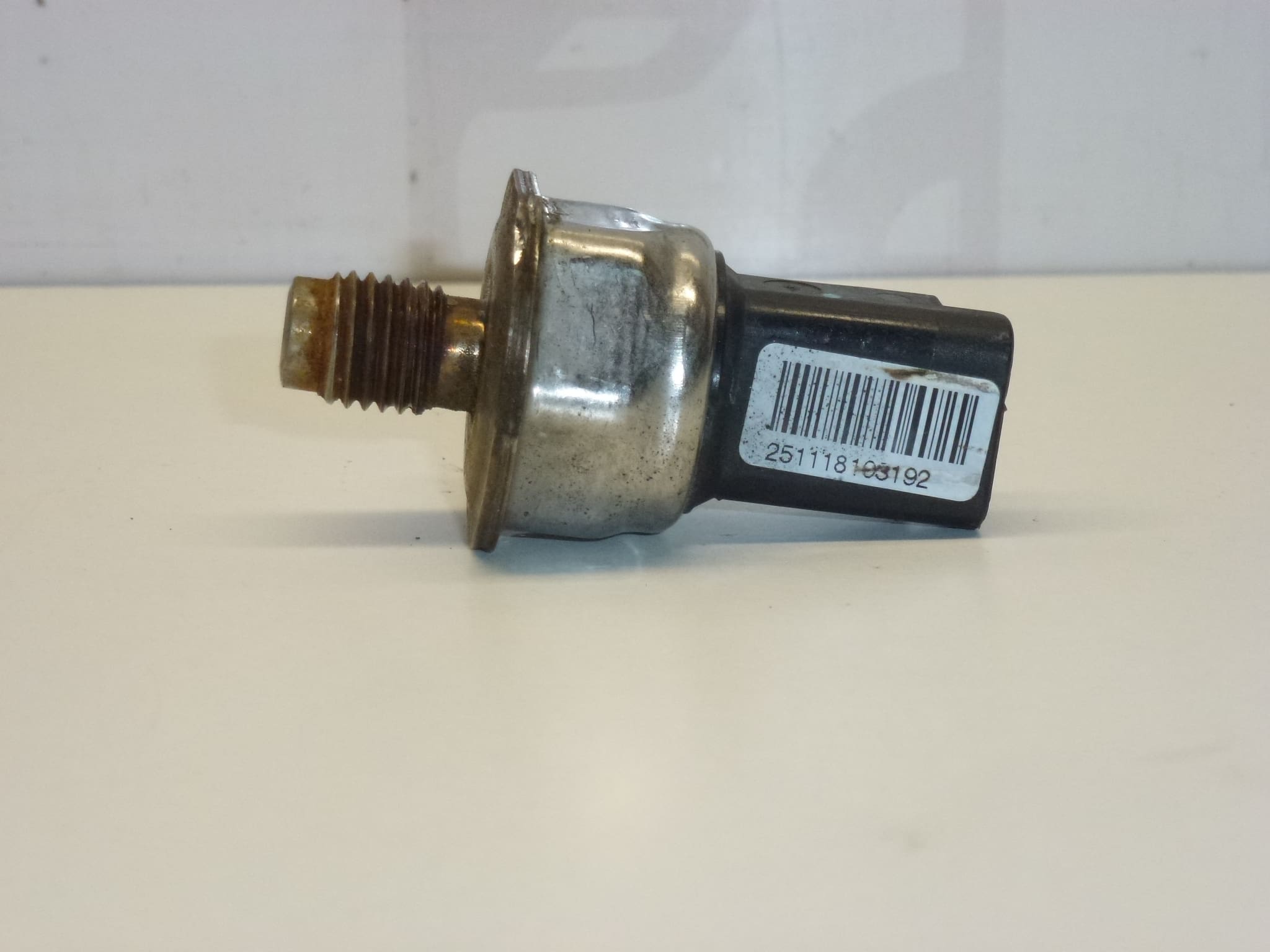
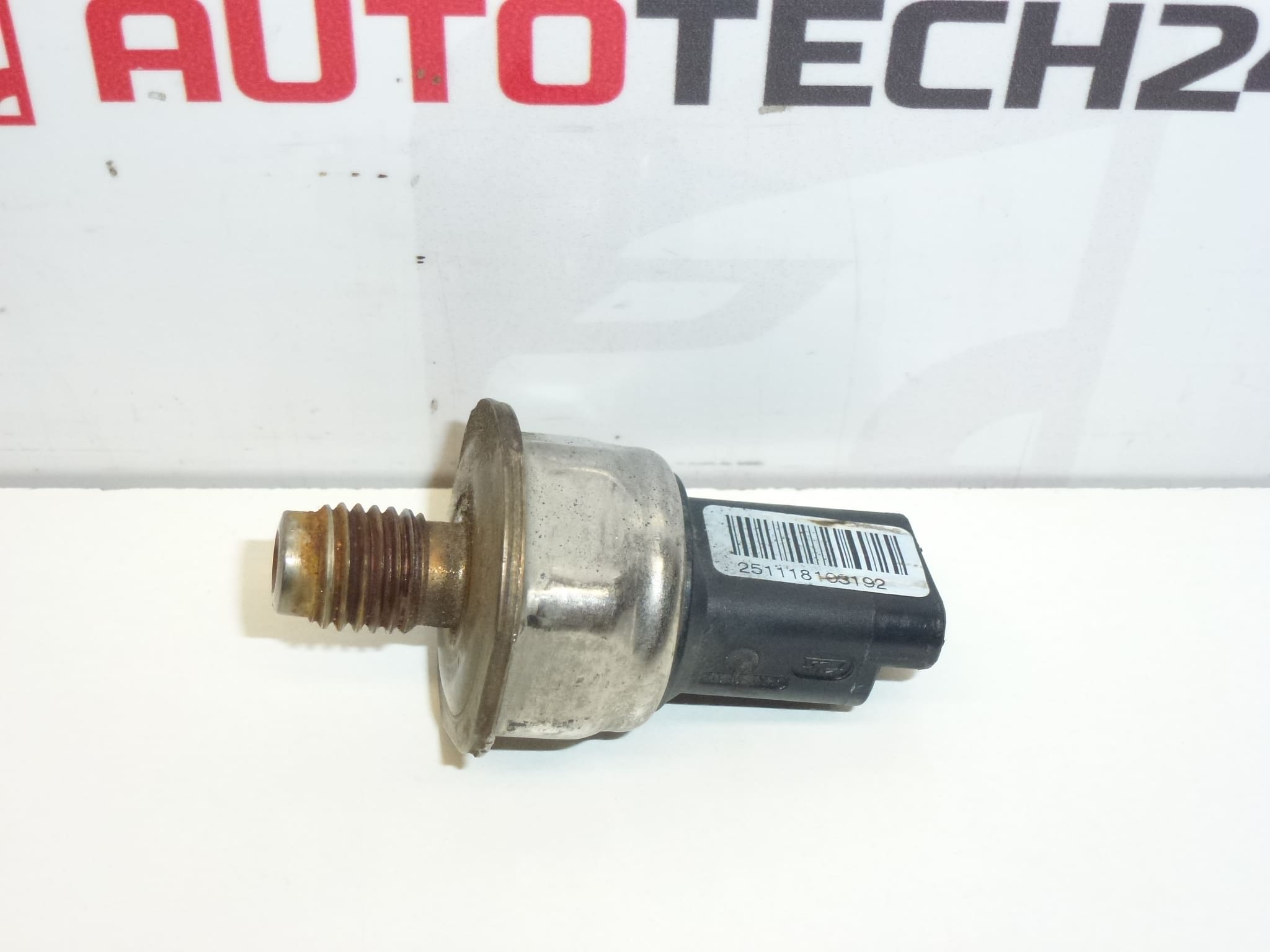
Fuel Pressure Sensor Citroën Peugeot 1.4 HDi 1.6 HDi and 2.0 HDi
High-Pressure Sensor On The Common Rail
Used Part With Functional Warranty
This fuel rail pressure sensor is designed for PSA Group diesel engines and provides accurate feedback on rail pressure to the engine management unit. It is a direct-fit sensor commonly used on 1.4 HDi, 1.6 HDi and 2.0 HDi engines in Citroën and Peugeot vehicles. For automechanics and experienced DIYers, this part offers a cost-effective way to restore correct fuel-pressure readings and eliminate drivability issues caused by faulty sensor signals.
Technical Information
- Manufacturer: Stellantis
- Model: Citroën And Peugeot 1.4 HDi, 1.6 HDi And 2.0 HDi Engines (Examples: Citroën C3, C4, C5, Berlingo; Peugeot 206, 207, 307, 308, 407, Partner)
- Product Codes: 9664111780, 1920TL
- Other Numbers: Not Provided
Fitment And Function
The sensor is mounted directly on the common-rail fuel line and measures high fuel pressure in the rail. The engine control unit uses this signal to regulate the high-pressure pump and injection timing. A faulty sensor can cause incorrect rail pressure regulation, triggering warning lights, limp-home mode, loss of power or rough running.
Installation Recommendations
- Work Safely: Perform the replacement in a well-ventilated area and wear appropriate protective equipment. Relieve fuel system pressure before beginning to avoid fuel spray.
- Preparation: Clean the area around the sensor to prevent contamination entering the rail. Have replacement O-ring or sealing washer ready.
- Removal: Disconnect the electrical connector, then unscrew the sensor from the rail using the correct size wrench or socket. Avoid damaging the connector or sensor housing.
- Fitment: Replace the sealing O-ring with a new one, lightly lubricate with clean diesel, and carefully screw in the sensor. Tighten to a secure fit (refer to workshop manual for exact torque). Reconnect the electrical connector.
- Commissioning: Prime the fuel system or cycle the ignition to allow the fuel pump to pressurize the rail. Check for leaks and clear any stored fault codes after confirming correct operation.
Reasons For Failure
- Contamination From Fuel: Particles or varnish from poor fuel quality can clog or damage the sensing element.
- Water In Fuel: Corrosion and sensor degradation are accelerated by water contamination.
- Electrical Problems: Corroded connectors, broken wires, or intermittent contacts cause erratic readings.
- Vibration And Mechanical Stress: Repeated vibration or impact can damage the sensor housing or internal components.
- Related Component Faults: Failures in the high-pressure pump or pressure relief components can expose the sensor to abnormal conditions and shorten service life.
Typical Symptoms Of A Faulty Sensor
Engine Warning Light (MIL), Limp Mode, Loss Of Power, Difficult Starting, Rough Idle, Poor Fuel Economy, Or Inconsistent Rail Pressure Readings.
Because this is a used part offered with a functional warranty, inspect sealing surfaces and electrical connector before installation and follow the installation recommendations to ensure reliable operation after fitment.