Description
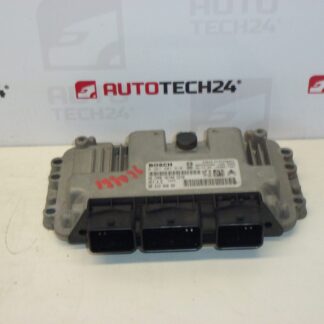
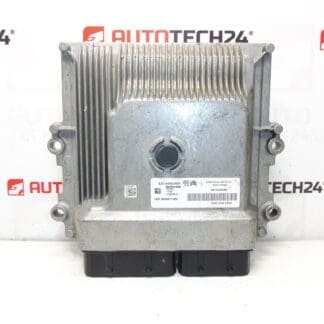
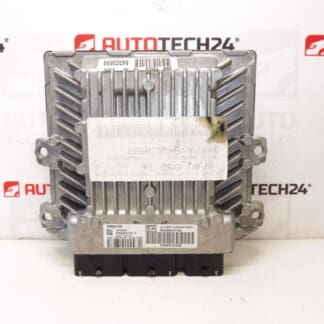
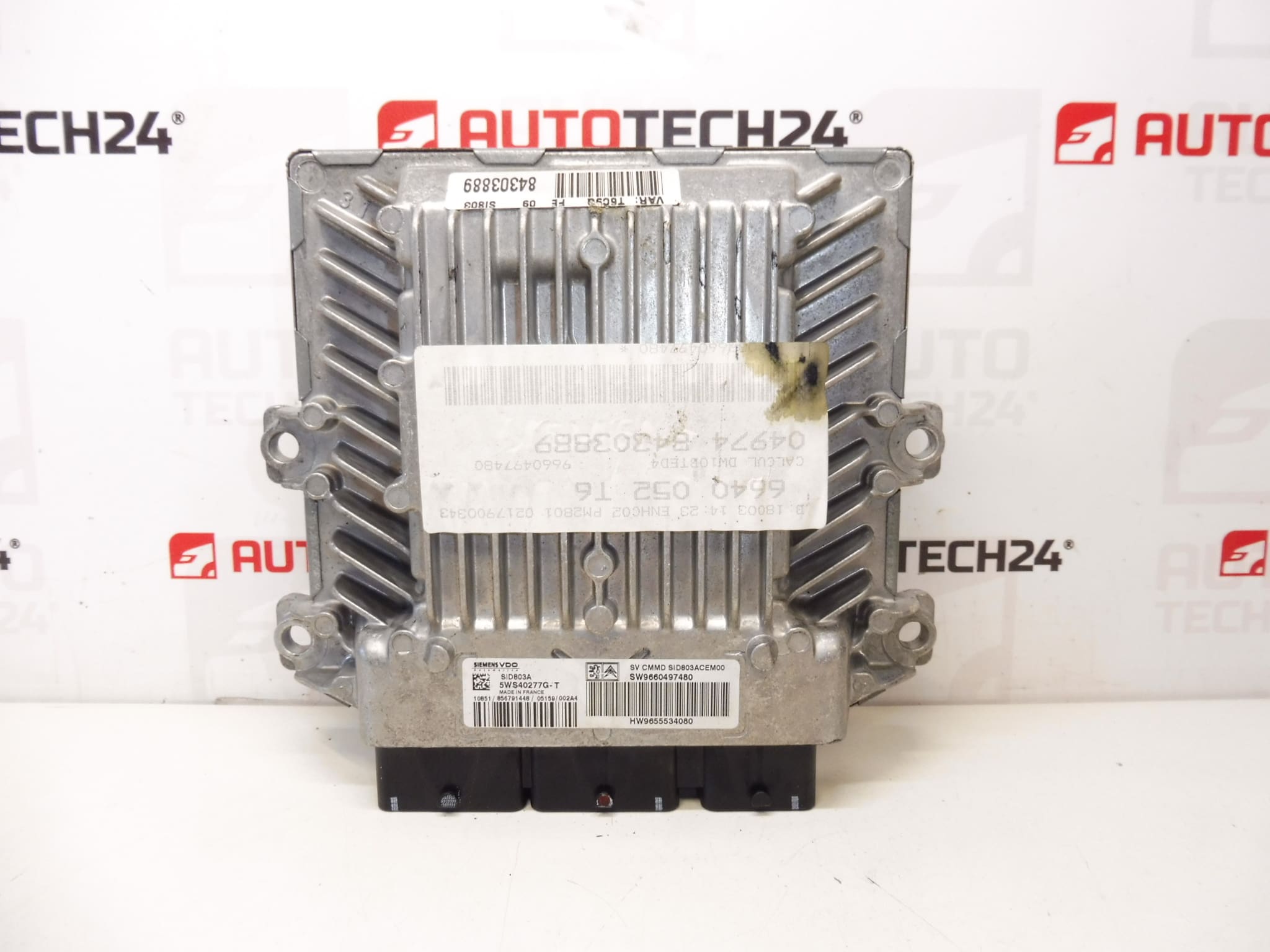
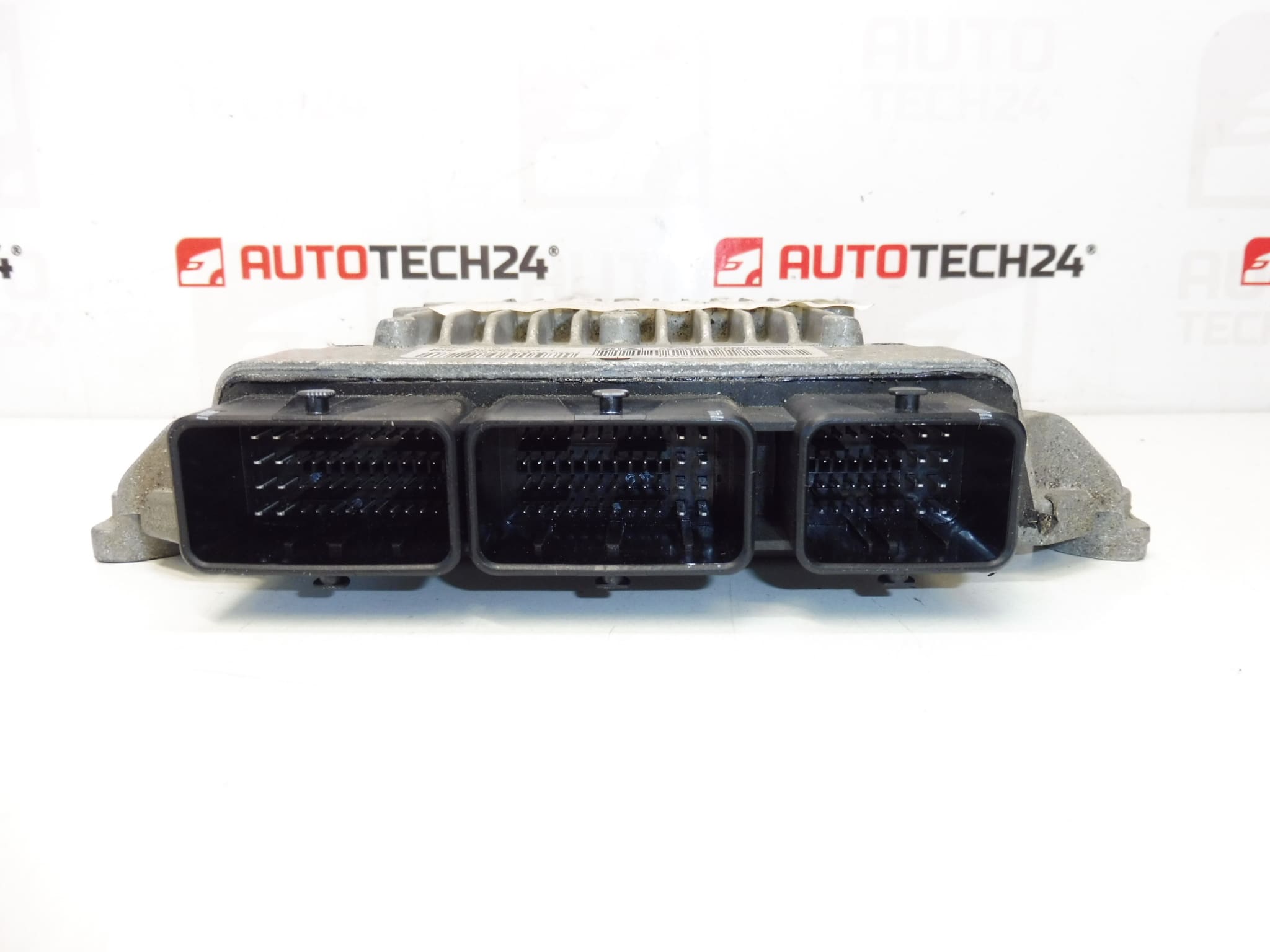
Siemens Control Unit 2.0 HDi 100 kW RHR For Peugeot 307
This Engine Control Unit (ECU) by Siemens is designed for the 2.0 HDi RHR engine and is a common replacement for Peugeot 307 diesel models. The unit controls fuel injection, turbocharger management, EGR operation and engine timing to ensure smooth running, optimal fuel economy and emissions control. Frequently searched by product numbers such as 5WS40277, 9655534080 or 1940ZA, this ECU is targeted at professional mechanics and experienced DIYers looking for a direct-fit electronic control module for HDi powertrains.
Technical Information
- Manufacturer: Siemens
- Model: 2.0 HDi ECU (RHR, 100 kW) — For Peugeot 307
- Product Codes: 5WS40277G-T, 5WS40277I-T
- Additional Numbers: 9655534080, 9660497480, 1940ZA, 1940ZC, 1942T2, 1942T6
Fitment And Compatibility
Intended for Peugeot 307 models equipped with the 2.0 HDi RHR 100 kW engine. Compatibility is primarily determined by matching the ECU product codes and additional numbers listed above. Always compare the numbers on the existing unit to ensure correct fitment and software version alignment before installation.
Installation Recommendation
- Disconnect The Negative Battery Terminal: Prevents short circuits and protects vehicle electronics.
- Remove Interior Panels Or Engine Covers As Needed: Access the ECU mounting location and electrical connector.
- Unplug ECU Connectors Carefully: Release locking tabs and pull straight to avoid damaging pins.
- Mount The New ECU Securely: Ensure correct orientation and tighten mounting bolts to original specification.
- Reconnect Battery And Perform Coding/Initialization: ECU Replacement Usually Requires Immobilizer Matching And ECU Coding With An OEM-Level Diagnostic Tool Or Professional Programmer To Restore Engine And Security Functions.
- Verify Operation: Check For Fault Codes, Clear Memory If Needed, And Perform A Test Drive To Confirm Proper Engine Response.
Common Failure Causes
- Electrical Damage: Voltage Spikes Or Poor Battery Connections Can Damage Internal Electronics.
- Water Ingress And Corrosion: Moisture In Connector Areas Or Engine Bay Can Cause Intermittent Faults Or Complete Failure.
- Thermal Stress And Ageing: Prolonged Heat Cycles May Lead To Failed Solder Joints Or Component Degradation.
- External Component Failures: Faulty Sensors, Injectors Or Wiring Short Circuits Can Cause The ECU To Enter Limp-Mode Or Suffer Damage Over Time.
Typical Symptoms Of A Faulty ECU Include Engine Not Starting, Stalling, Loss Of Power, Misfires, Or Persistent Engine Warning Lights. Replacing The Module And Ensuring Correct Coding Usually Restores Normal Operation.
Before Ordering: Confirm That One Of The Product Codes Or Additional Numbers Matches The Unit Currently Installed In The Vehicle. Proper Installation And Correct Diagnostic Coding Are Crucial For Reliable Operation.