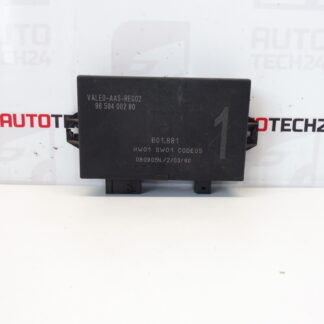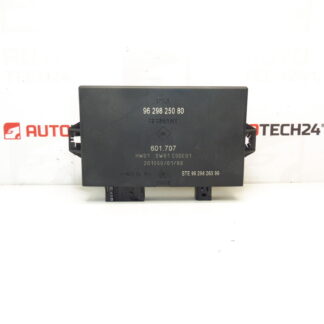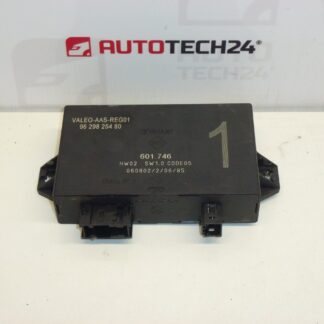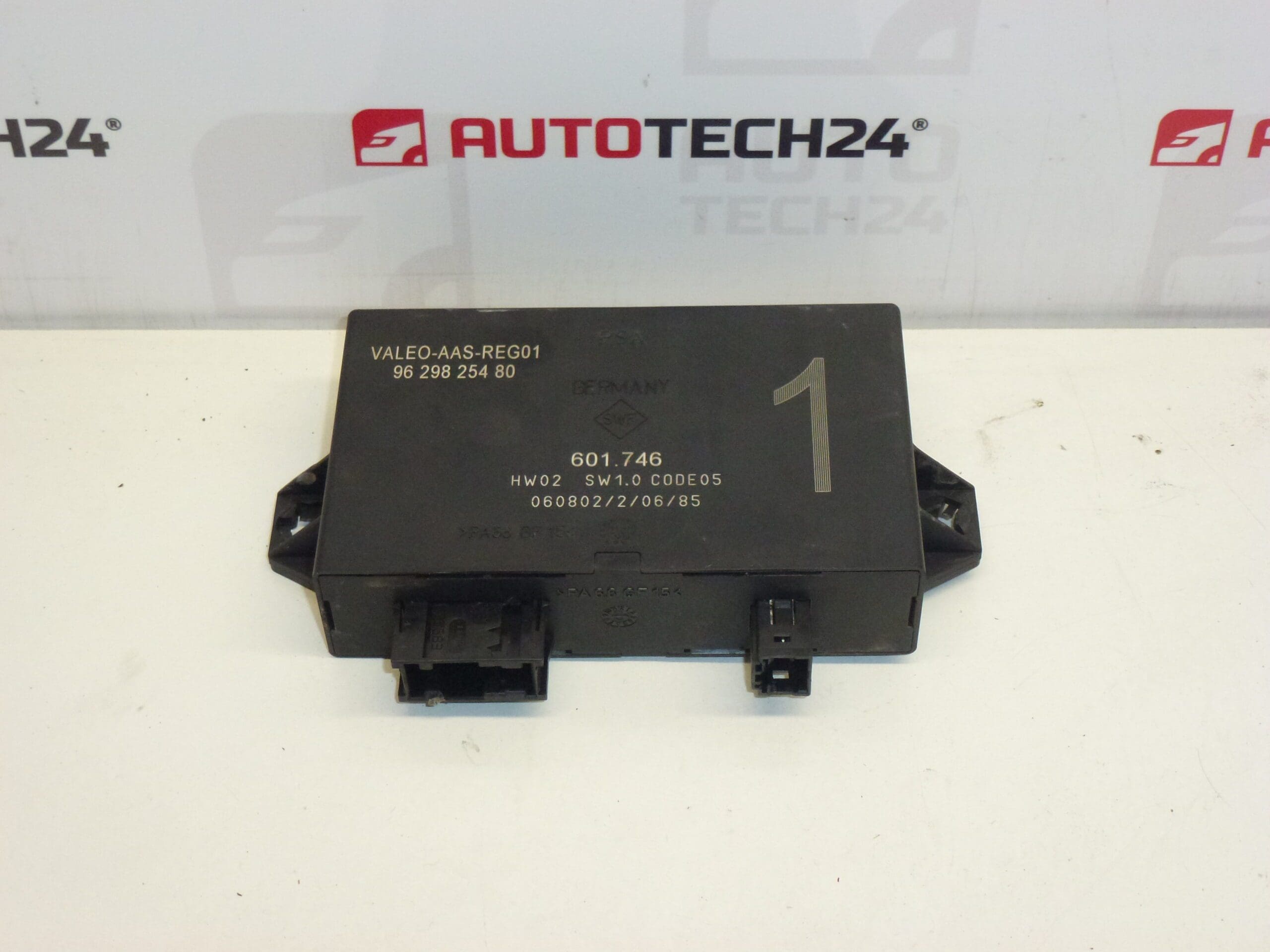
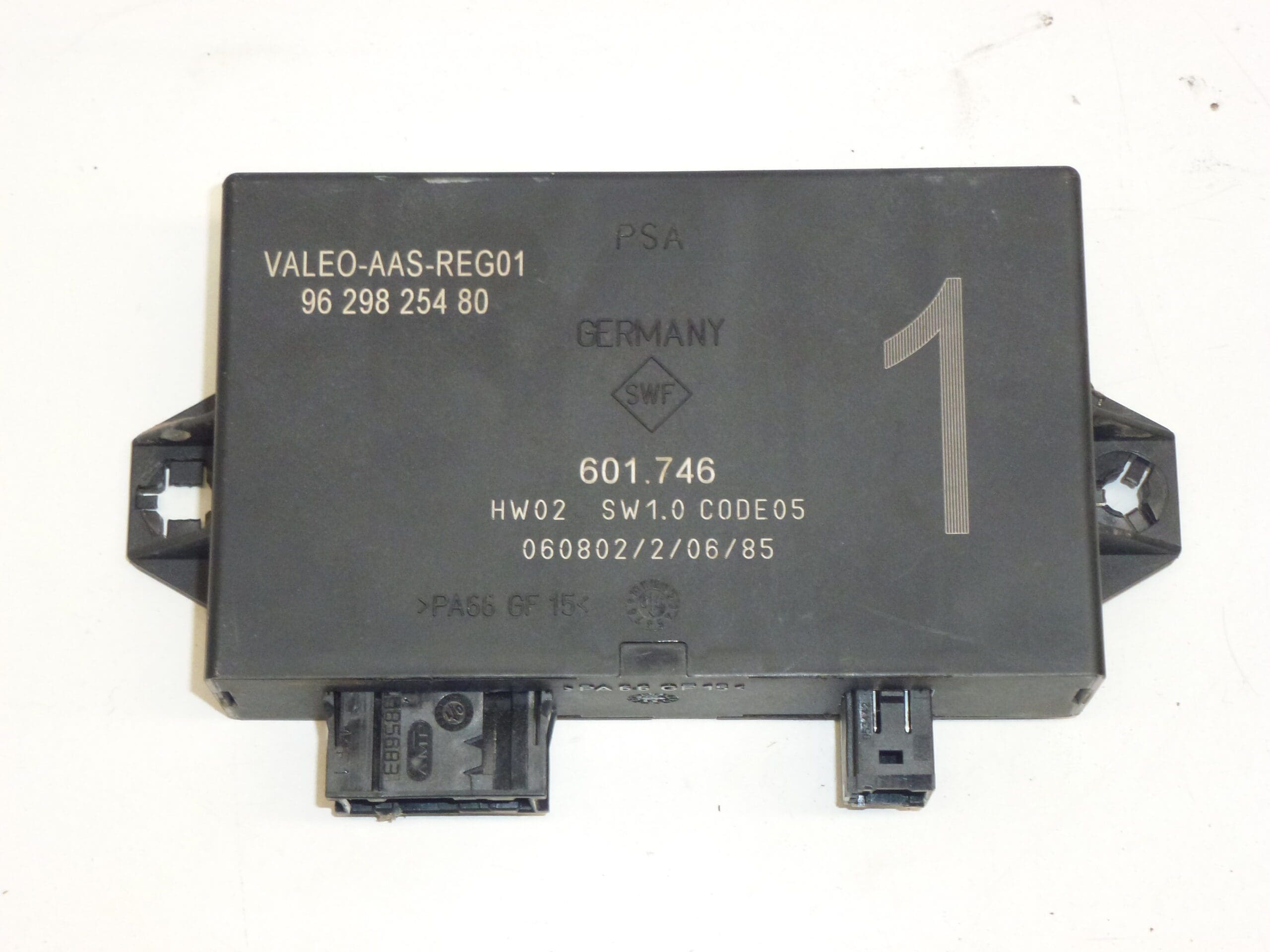
Description
Parking Assistance Control Unit For Citroën And Peugeot Vehicles
This Parking Assistance Control Unit is an OEM‑type electronic module designed for Citroën and Peugeot vehicles. Ideal for professional workshops and experienced DIY mechanics, this unit controls ultrasonic parking sensors, interprets obstacle signals and communicates warnings to the vehicle’s parking display and/or buzzer. Frequently searched by part numbers (e.g. 9629825480, 659078), the module is a direct replacement for vehicles equipped with factory parking assist systems such as Citroën C5, Citroën C8 and Peugeot 807.
Technical Information
- Manufacturer: Stellantis (Citroën/Peugeot)
- Model: Citroën C5, Citroën C8, Peugeot 807
- Product Codes: 9629825480, 659078
- Other Numbers: 601746, NFP
What The Unit Does
The control unit processes signals from the ultrasonic parking sensors mounted in the bumpers, evaluates distance and obstacle position, and issues acoustic and/or visual warnings. It also monitors sensor health and fault conditions and exchanges information with other vehicle systems via the CAN bus. Proper operation is essential for safe low‑speed maneuvers and parking assistance features.
Compatibility
Commonly fitted to Citroën C5, Citroën C8 and Peugeot 807 models equipped from factory with parking sensors. Always verify the part numbers listed above against the unit to be replaced — many workshops locate this module by its printed OEM code.
Replacement Procedure
Basic replacement steps for experienced technicians or competent DIYers:
- Disconnect the negative battery terminal and wait a few minutes to ensure systems are powered down.
- Access the module location (consult vehicle repair manual — units are commonly located behind rear trim, under the boot lining or near the bumper area depending on the model).
- Remove trim panels and fasteners to reach the unit. Keep screws and clips organized for reassembly.
- Unplug the electrical connector(s) carefully — avoid pulling on wiring harnesses.
- Remove mounting bolts and extract the old unit. Inspect connectors and wiring for corrosion or damage.
- Install the replacement unit, refit bolts and connectors, reassemble trim panels.
- Reconnect the battery and perform a full system check. If the vehicle reports sensor faults or the parking assist requires registration, perform recalibration/coding with an appropriate diagnostic tool.
Installation Recommendations
- Always Disconnect Battery Before Work: Prevents short circuits and avoids damage to sensitive electronics.
- Observe ESD Precautions: Handle the control unit on an insulated surface and avoid touching circuit boards.
- Inspect Wiring And Connectors: Look for corrosion, bent pins or water ingress that can cause recurring faults.
- Use Proper Diagnostic Tools For Calibration: After replacement, verify sensor function and clear stored faults with a PSA‑compatible scanner or equivalent.
- Protect Connections: Apply dielectric grease to connectors if exposed to moisture to reduce future corrosion risk.
Why The Part Fails Most Often
- Moisture Ingress And Corrosion: Water penetration at connectors or housing seals can cause shorts and intermittent faults.
- Connector Damage Or Broken Wires: Impact repairs, bumper removal or ageing can damage wiring to sensors or the ECU.
- Electrical Surges Or Poor Grounding: Voltage spikes or bad ground points may damage internal electronics.
- Sensor Failures Causing ECU Errors: Failed ultrasonic sensors can overload the control unit diagnostics and trigger faults.
Notes For Professionals And Experienced DIYers
Because parking assist modules interact with vehicle networks and may require calibration or coding after replacement, use appropriate diagnostic equipment to confirm full functionality. If fault codes persist after mechanical replacement, investigate sensor cabling and vehicle CAN network integrity before replacing additional components.