Description
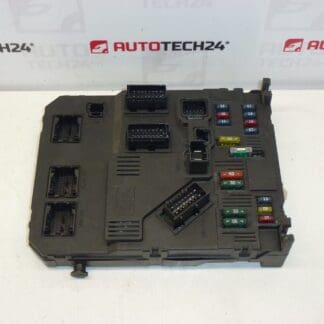
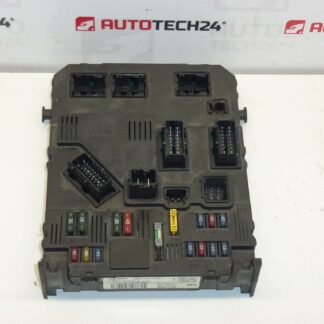
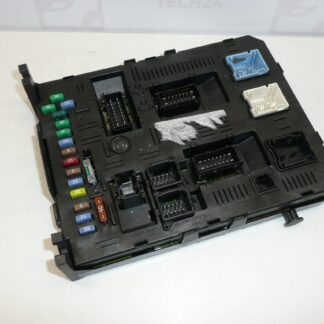
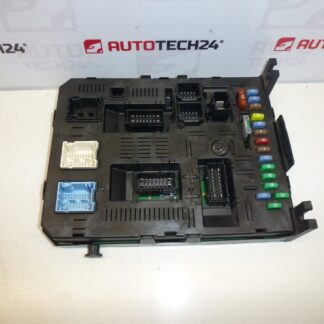
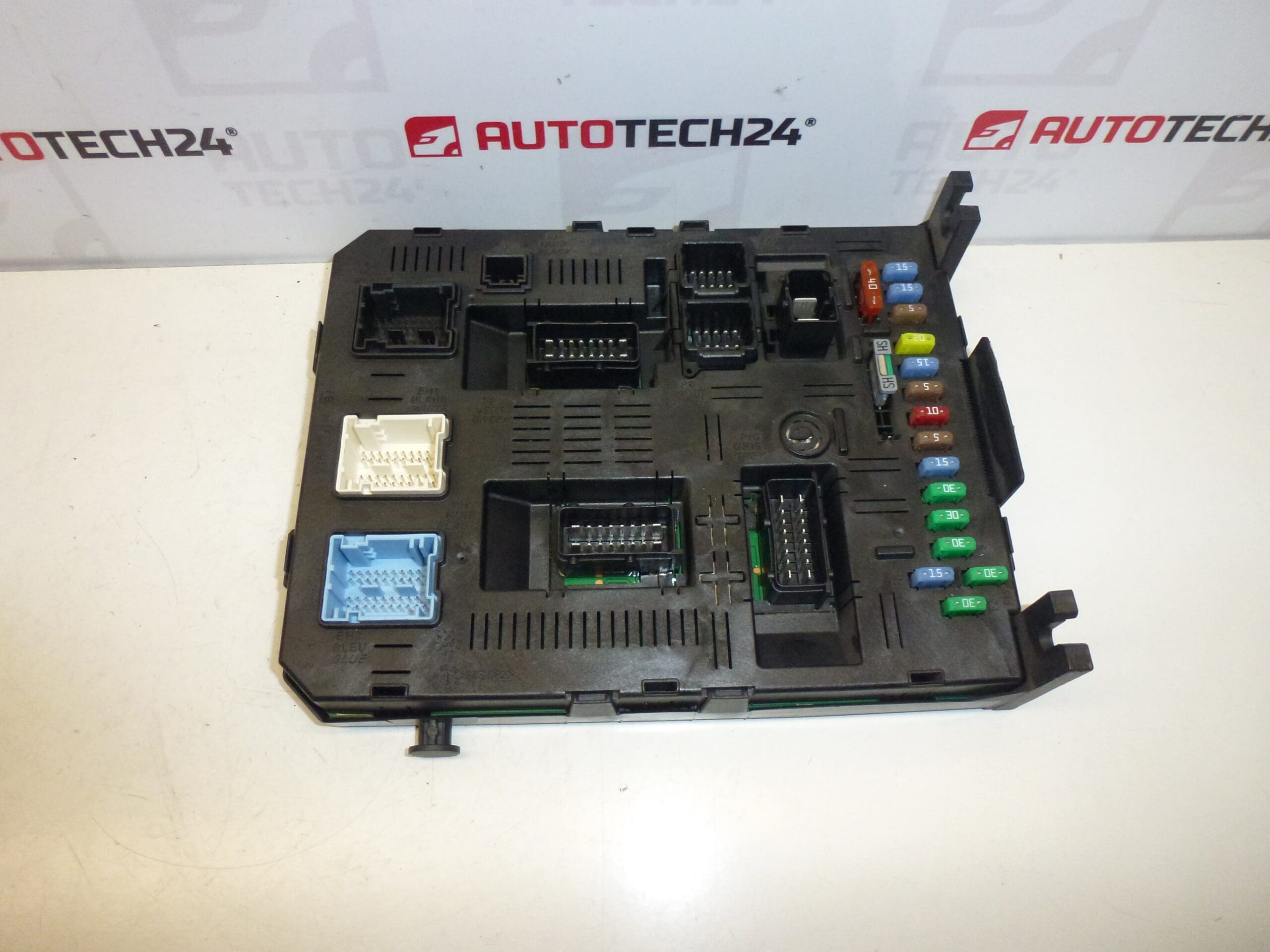
BSI Johnson Controls 2004 H05-01. Suitable for Citroën C4, C5 II and Peugeot 307, 407.
This original BSI (Body System Interface) unit by Johnson Controls is a direct-fit electronic comfort module designed for a range of PSA group vehicles. It centralises interior electrics, door locking, lighting logic, alarm/immobiliser interface and many vehicle comfort functions. Ideal for professional workshops and experienced DIY mechanics who search by part number (e.g. 9660105980), this unit restores reliable body control after failure and reduces troubleshooting time when symptoms point to the central comfort unit.
Technical Information
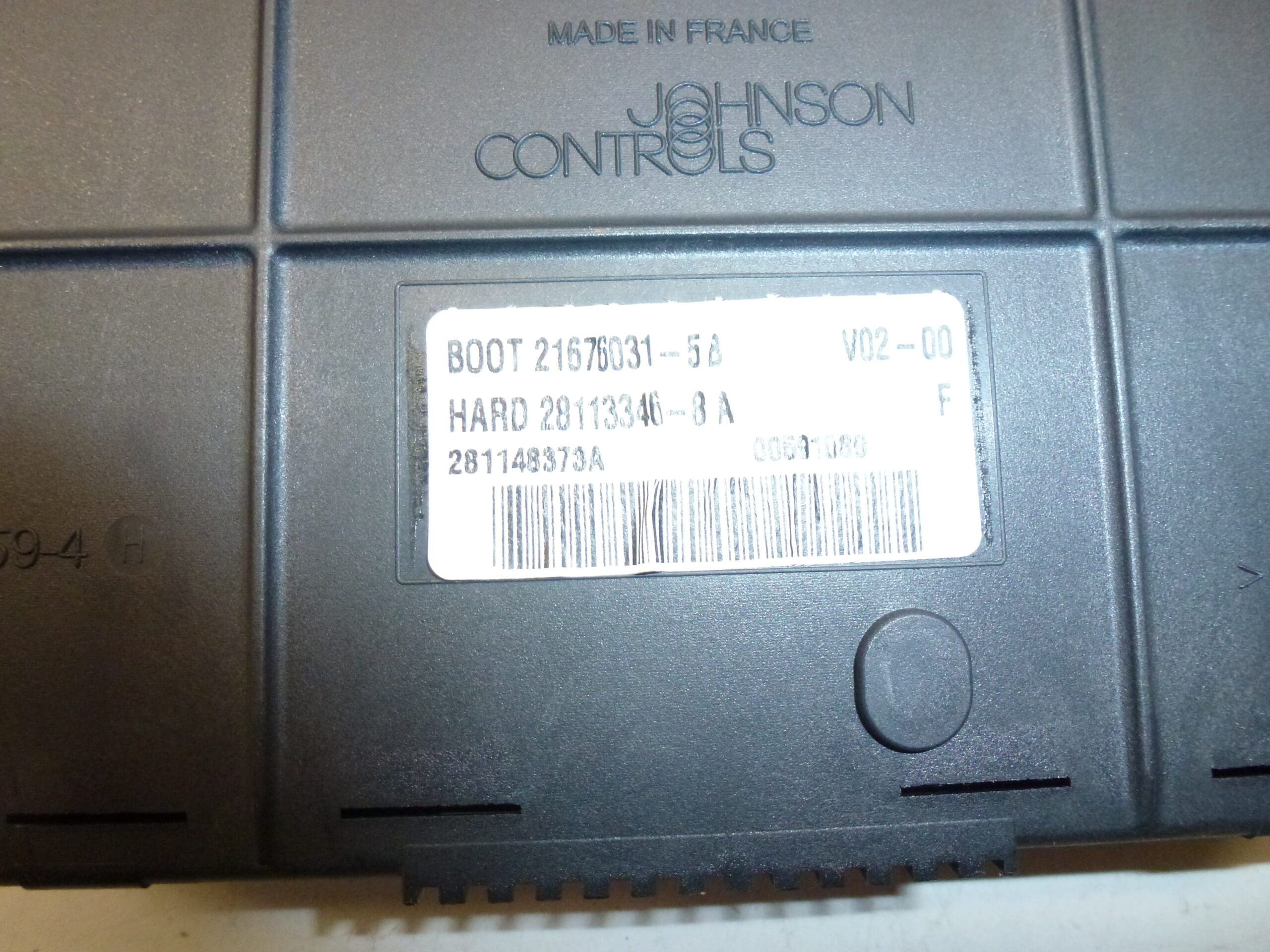
- Manufacturer: Johnson Controls
- Model: BSI 2004 H05-01
- Product Codes: 9660105980, 6580KH, 6580KJ
- Additional Numbers: 1660728480, 6580CW, 6580QE, 6580Y5, 6580Y6, 1660729180, 1660727880, 6580AG
- Boot/Hardware References: BOOT 21676031-5B, HARD 28113346-8A
- Compatible Models: Citroën C4; Citroën C5 II; Peugeot 307; Peugeot 407
What The Unit Does
The BSI is the central comfort and body control module. It manages interior and exterior lighting logic, central locking, power windows, alarm/immobiliser communications, wiper/washer functions, convenience timers and serves as a gateway on the vehicle network (CAN/Lin). Faults in the BSI can manifest as non-functioning central locking, dead interior lights, intermittent electrical behaviours, inability to arm the alarm, or communication errors on diagnostic tools.
Replacement And Installation
Typical replacement steps for experienced technicians: disconnect the negative battery terminal, remove the lower dashboard trim and access covers, unfasten the BSI retaining screws, carefully release all electrical connectors and remove the unit. Install the replacement BSI in reverse order, ensuring connectors are fully seated and mounting points are secure. After mechanical installation the unit will usually require coding or cloning to match the vehicle—see the coding section below. Always follow the vehicle manufacturer’s removal and installation sequence and use appropriate tools to avoid damaging connectors or housing tabs.
Installation And Coding – Important
- The Unit Is Used And It Is “Paired” With The Original Vehicle (VIN/PIN/Keys).
- Options For Commissioning:
- Cloning Data From The Old Unit (EEPROM/Flash) – After Cloning The Unit Is Plug And Play.
- Virginization And Subsequent Initialization/Telecoding Via DiagBox (Or Online) + Key Adaptation.
- Recommended To Be Performed By A Technician With PSA Service Equipment (DiagBox/Lexia/PP2000).
- Always Disconnect The Battery Before Removal/Installation And Follow The Manufacturer Procedure To Avoid Damaging The Unit.
Recommendations For Installation
- Work In A Dry, Clean Environment To Avoid Contamination And Moisture.
- Use Anti-Static Precautions When Handling The PCB Area And Avoid Touching Contacts.
- Inspect Connectors And Wiring Harness For Corrosion Or Damage Before Reuse.
- Replace Any Seals Or Retaining Clips That Are Broken To Prevent Future Water Ingress.
- Perform A Full Functional Check After Coding: central locking, interior lights, warning indicators, and communication with the diagnostic tool.
Why This Part Fails Most Often
Common causes of BSI failure are moisture ingress (often through damaged seals or prolonged condensation), corrosion of connector pins, thermal cycling that causes solder joint fractures, and electrical surges due to poor battery condition or jump-start events. Age-related wear and intermittent connector contact are frequent in vehicles over a decade old or with high mileage. Symptoms are typically electrical anomalies rather than mechanical noise, so thorough electrical diagnosis is important before replacement.
Notes For Professional Use
Searchable part numbers such as 9660105980 or the secondary codes listed above help technicians quickly match the correct BSI for Citroën and Peugeot models. When replacing the BSI, plan for both mechanical replacement time and the necessary coding/workshop time to restore full vehicle functionality.