Description
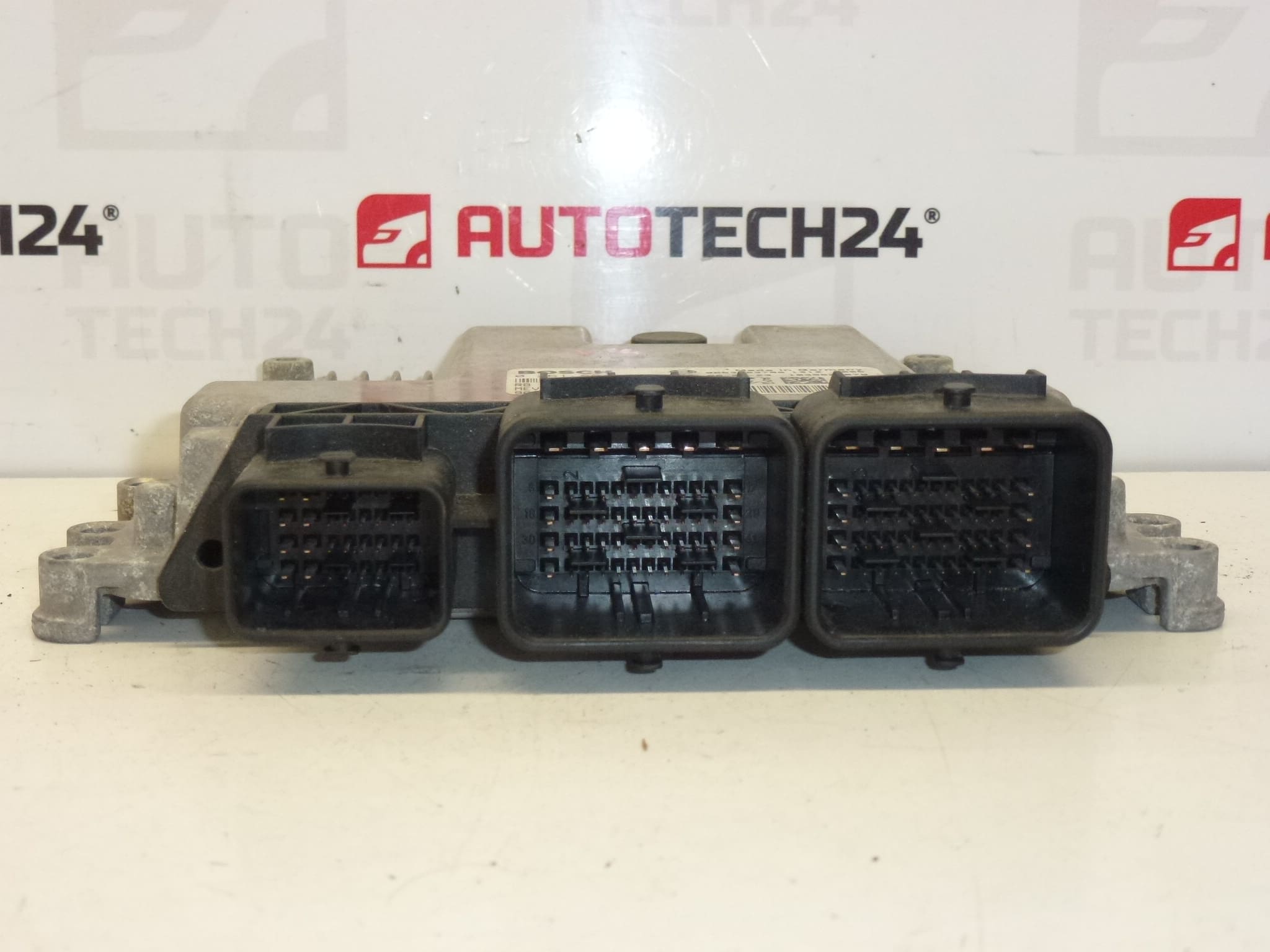
Control Unit Bosch for Citroën and Peugeot Vehicles with VTi Engines
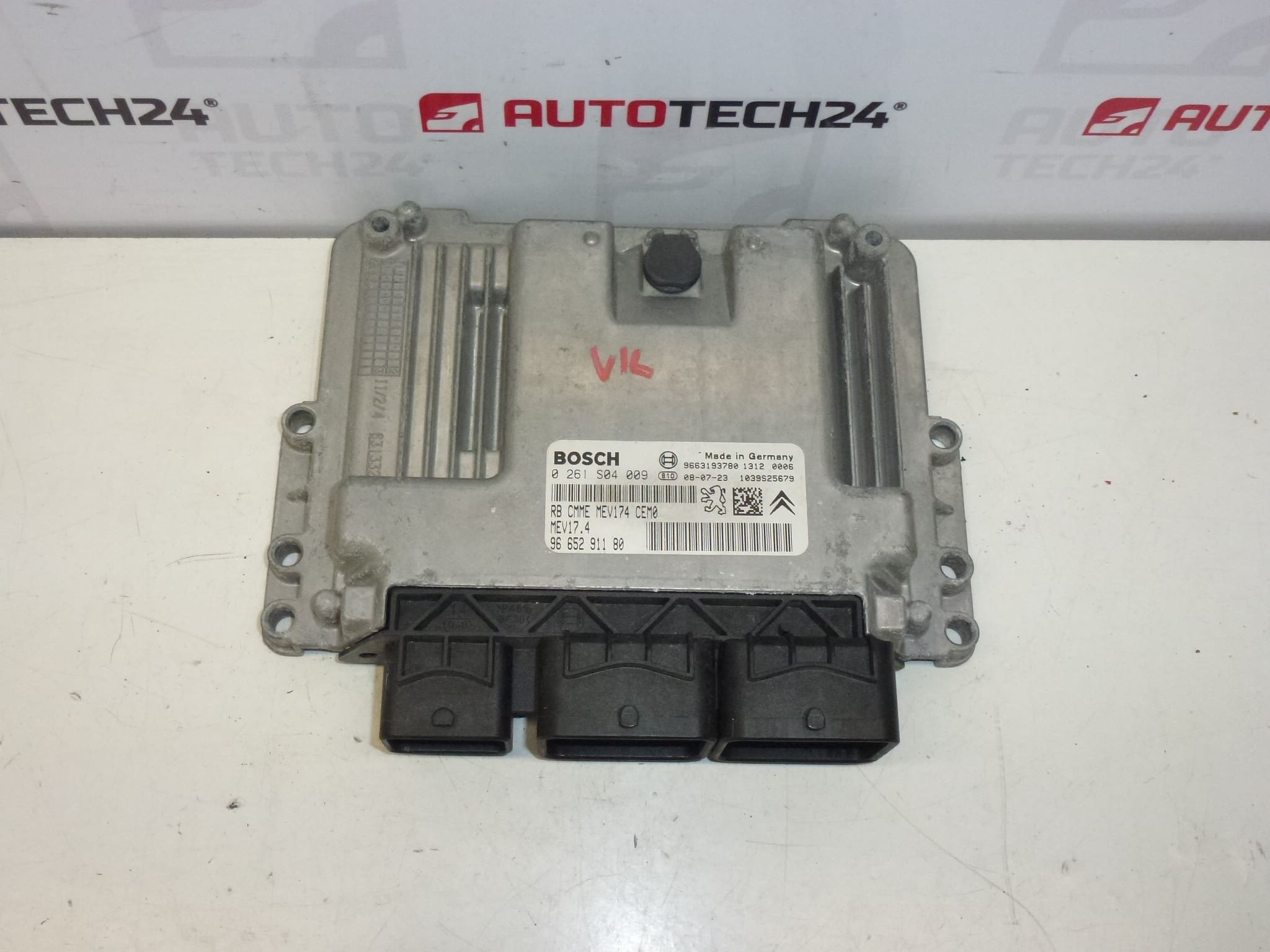
This Bosch MEV17.4 engine control unit (ECU) is specified for Stellantis Citroën and Peugeot applications equipped with VTi petrol engines. The unit manages fuel injection, ignition timing, idle control and emission systems to ensure correct engine performance across operating conditions. Commonly referenced by part numbers (0261S04009, 9665291180, 9663193780 and cross-references below), this ECU is a direct replacement option for professional workshops and experienced DIY technicians working on supported Citroën and Peugeot models.
Key Benefits
Robust engine control logic from Bosch: precise fuelling and ignition maps, integrated sensor management (MAP/MAF, throttle, cam/crank position), and immobiliser/anti-theft interface. Ideal for mechanics seeking a cost-effective unit that restores drivability, throttle response and emission compliance when the original ECU has failed.
Technical Information
- Manufacturer: Bosch
- Model: MEV17.4 (ECU)
- Product Codes: 0261S04009, 9665291180, 9663193780
- Other Numbers: 1942VH, 1942VJ, 194339, 194340, 1943NY, 1943W2, 1943W3, 1606564880
Fitment
Typical fitment includes Citroën C4 and Peugeot 207 models equipped with VTi petrol engines. Verify engine type (VTi) when selecting parts. This ECU is often searched for by its product codes, so include those numbers in your lookup for quicker identification.
Installation Recommendations
Work should be performed by a qualified technician or an experienced DIY mechanic familiar with engine electronics. Basic replacement steps:
- Disconnect the negative battery terminal and wait a few minutes to discharge capacitors.
- Locate the ECU (engine bay or under the dash depending on model) and remove any shielding or securing brackets.
- Carefully unplug all electrical connectors—do not pull on wiring harnesses; release locking tabs first.
- Remove mounting bolts and replace the unit. Reconnect connectors and secure mounting hardware to manufacturer torque settings.
- Restore battery connection only after mechanical installation is complete and follow programming/coding steps below if required.
Installation and Coding – Important
The unit is used and is “paired” with the original vehicle (VIN/PIN/keys). Options to bring the unit into service:
- Cloning data from the old unit (EEPROM/Flash) – after cloning the unit is plug and play.
- Virginization and subsequent initialization/telecoding via DiagBox (or online) + key adaptation.
Recommended to be carried out by a specialist with PSA service equipment (DiagBox/Lexia/PP2000).
Before removal/installation always disconnect the battery and follow the manufacturer procedure to avoid damage to the unit.
Why This Part Fails (Most Common Causes)
- Moisture Ingress and Corrosion: Water penetration into connectors or the ECU housing causes corrosion and intermittent faults.
- Thermal Stress and Vibration: Repeated heating/cooling cycles and engine vibrations can crack solder joints or damage internal components.
- Electrical Issues: Voltage spikes, poor battery/alternator regulation or jump-starting errors can damage microcontrollers or power stages.
- Connector Problems: Loose, corroded or damaged pins lead to communication errors and sensor misreading.
Additional Notes for Mechanics and DIYers
When replacing an ECU, ensure you have the correct diagnostic tools for coding or arrange cloning/initialization through a workshop equipped with PSA service software if required. After installation, check for stored fault codes, verify sensor inputs and perform a test drive to confirm normal operation. Keep wiring connectors clean and secure to minimize repeat failures.
Search Tips
Customers often search using part numbers: 0261S04009, 9665291180, 9663193780, 1942VH, 1942VJ, 194339, 194340, 1943NY, 1943W2, 1943W3, 1606564880. Use these references to speed up identification and ordering.