Description
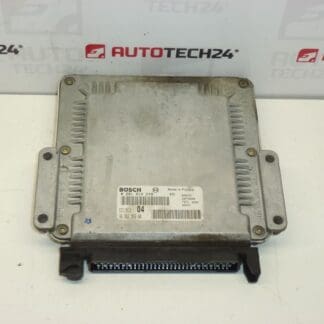
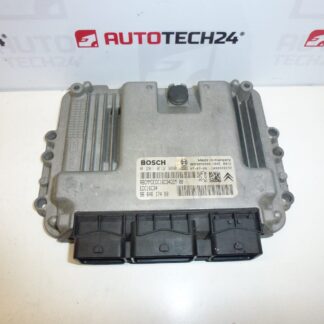
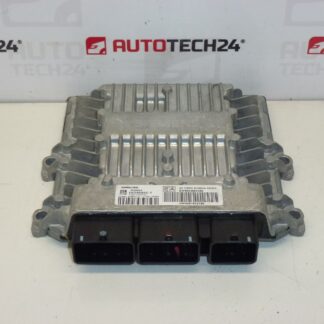
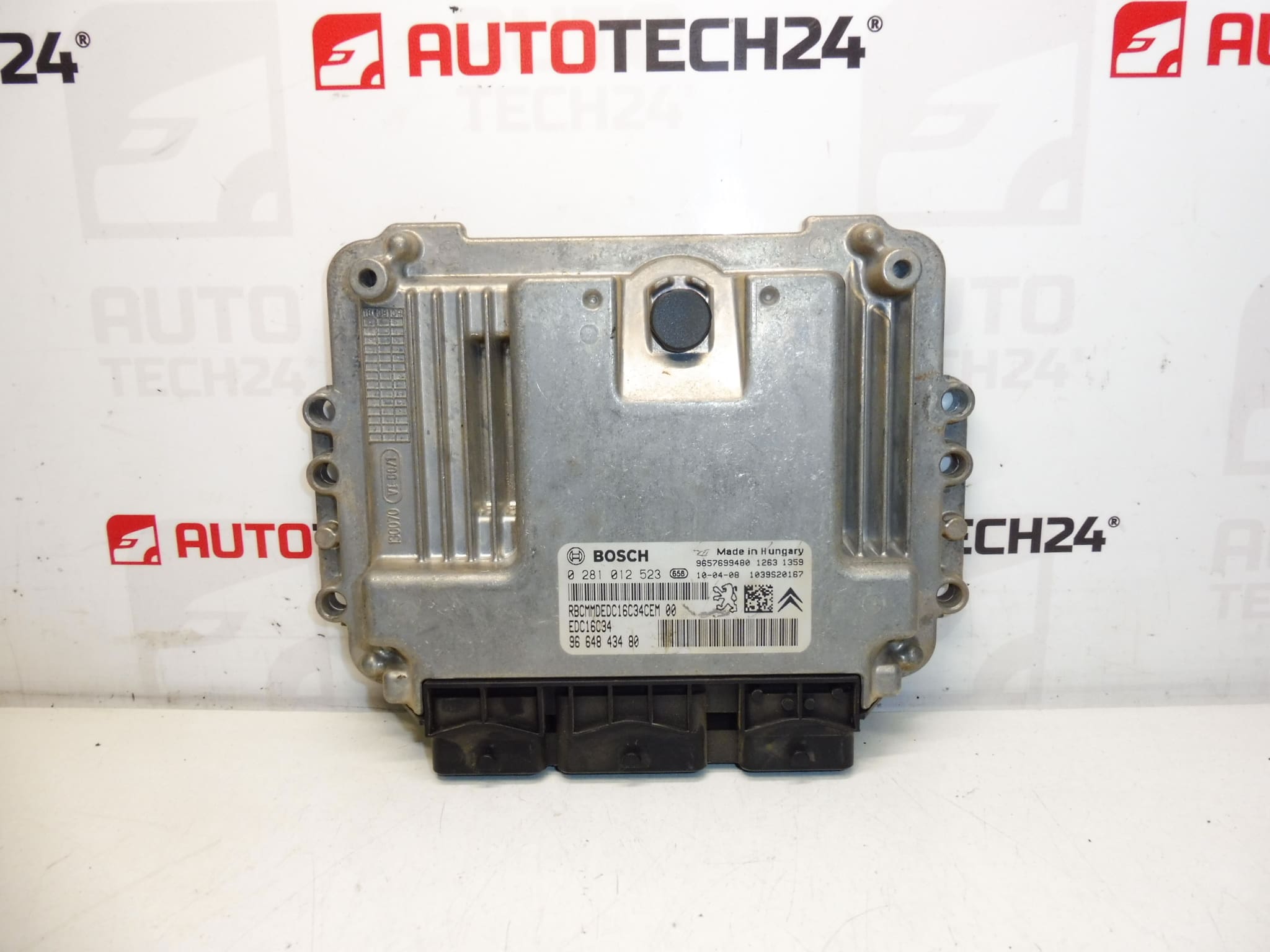
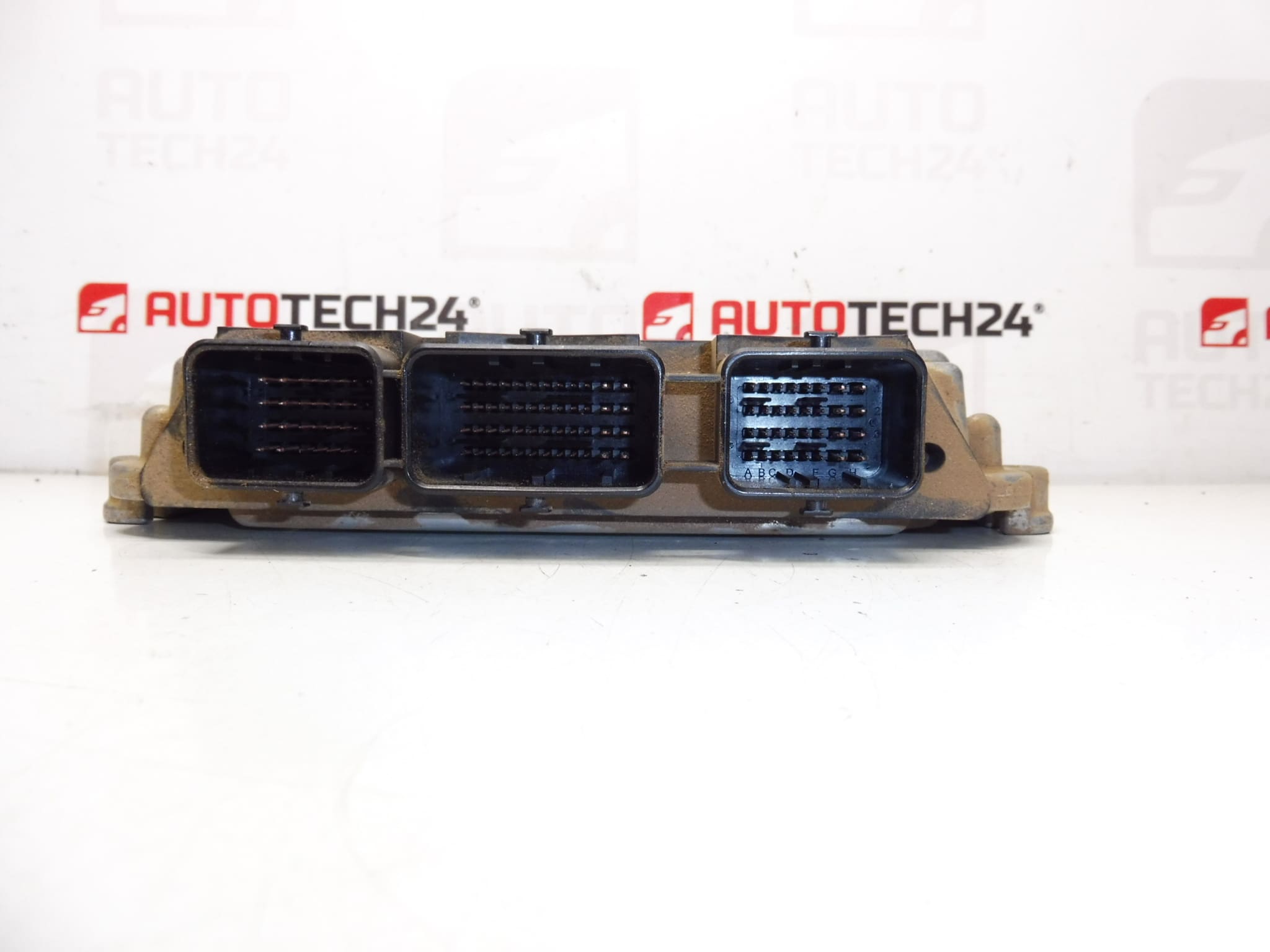
BOSCH control unit for Citroën and Peugeot vehicles 1.4 HDi 50 kW. It is from a Citroën C3 1.4 HDi 50 kW (engine code 8HZ).
Product Overview
This Bosch EDC16C34 engine control unit (ECU) is designed for the 1.4 HDi 50 kW diesel powertrain used on Stellantis small cars. The unit manages fuel injection timing and quantity, engine sensors, diagnostics and communicates with the vehicle network to ensure smooth running, emissions control and fault reporting. Mechanics and DIY enthusiasts often search by the part numbers listed below (Bosch and OEM references), so having the correct code is crucial for compatibility.
Applications And Compatibility
Typical fitments include:
- Citroën C3 II – 1.4 HDi 50 kW (engine code 8HZ)
- Peugeot 207 – 1.4 HDi 50 kW (where applicable)
Use the product and OEM codes in the Technical Information section to confirm match with the vehicle’s original ECU.
Technical Information
- Manufacturer: Bosch
- Model: EDC16C34 (Engine Control Unit / ECU)
- Product Codes: 0281012523, 9664843480
- Other Numbers: 1943SK, 1677630480, HW 9657699480
Function And Benefits
The ECU controls diesel injection events, monitors sensor inputs (MAF, MAP, coolant temperature, crank/cam position, fuel rail pressure, etc.), and executes engine management strategies to optimize fuel economy and emissions. It stores diagnostic trouble codes (DTCs) accessible via OBD, supports immobilizer/vehicle security interaction and can influence EGR/DPF-related strategies depending on vehicle equipment.
Common Faults And Reasons For Failure
Common causes of ECU malfunction include water or moisture ingress at the connector area, corrosion of pins, mechanical damage to the housing or connectors, thermal stress and occasional internal component failure due to voltage spikes. Wiring harness faults and failed sensors can also lead to ECU error states or apparent ECU faults. Lifespan varies with vehicle use and environment; salt, road spray and poor sealing increase risk.
Installation Recommendation
Before removal and installation always disconnect the vehicle battery and follow the vehicle manufacturer’s procedures. Handle the unit carefully to avoid ESD and physical damage. Check connector pins for corrosion or bending, ensure mating surfaces are clean and dry, and verify grounds and power supply circuits before fitting. After physical installation, the unit will often require data cloning or coding to the vehicle to restore full functionality.
Installation And Coding – Important
- The unit is used and is “paired” with the original vehicle (VIN/PIN/keys).
- Options to put the unit into service:
- Cloning data from the old unit (EEPROM/Flash) – after cloning the unit is plug and play.
- Virginization and subsequent initialization/telecoding via DiagBox (or online) + key adaptation.
- Recommended to be performed by a technician with PSA service equipment (DiagBox/Lexia/PP2000).
- Always disconnect the battery before removal/installation and follow the manufacturer procedure to avoid damaging the unit.
Why Choose This Unit
If the vehicle exhibits rough idle, loss of power, warning lights related to engine management or permanent fault codes that point to ECU hardware, replacing the unit with a correctly coded Bosch EDC16C34 may restore original performance. Matching the exact product codes increases the likelihood of correct fitment and reduces the need for extensive reprogramming.
Notes For The Installer
- Prepare for either cloning or full coding depending on the vehicle’s immobilizer and security setup.
- Use proper diagnostic equipment to clear DTCs and perform any required adaptations after installation.
- Inspect related sensors and wiring harnesses before replacing the ECU to avoid repeat failures.