Description
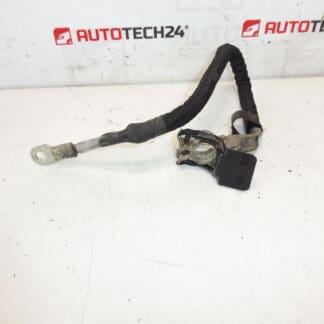
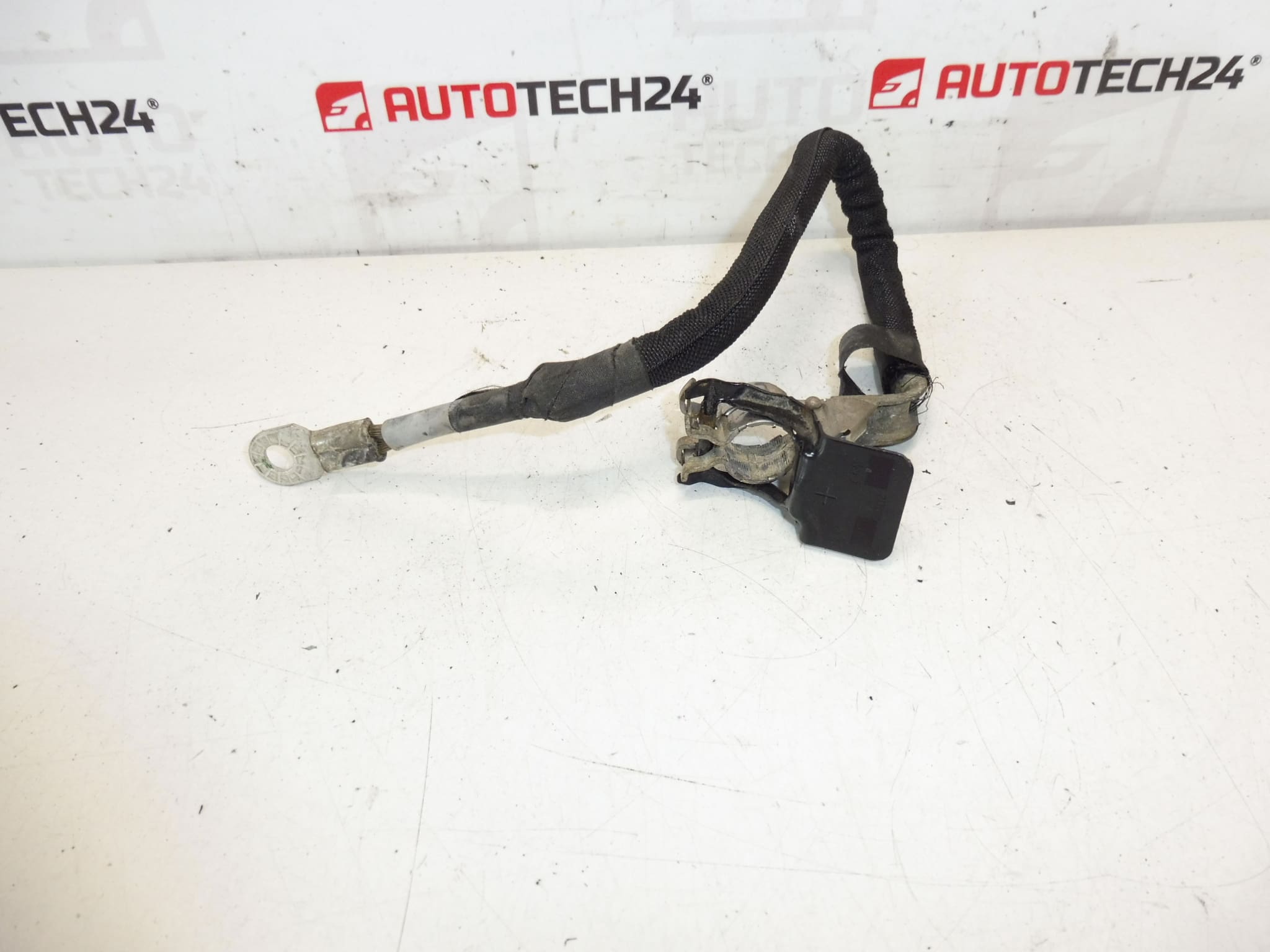
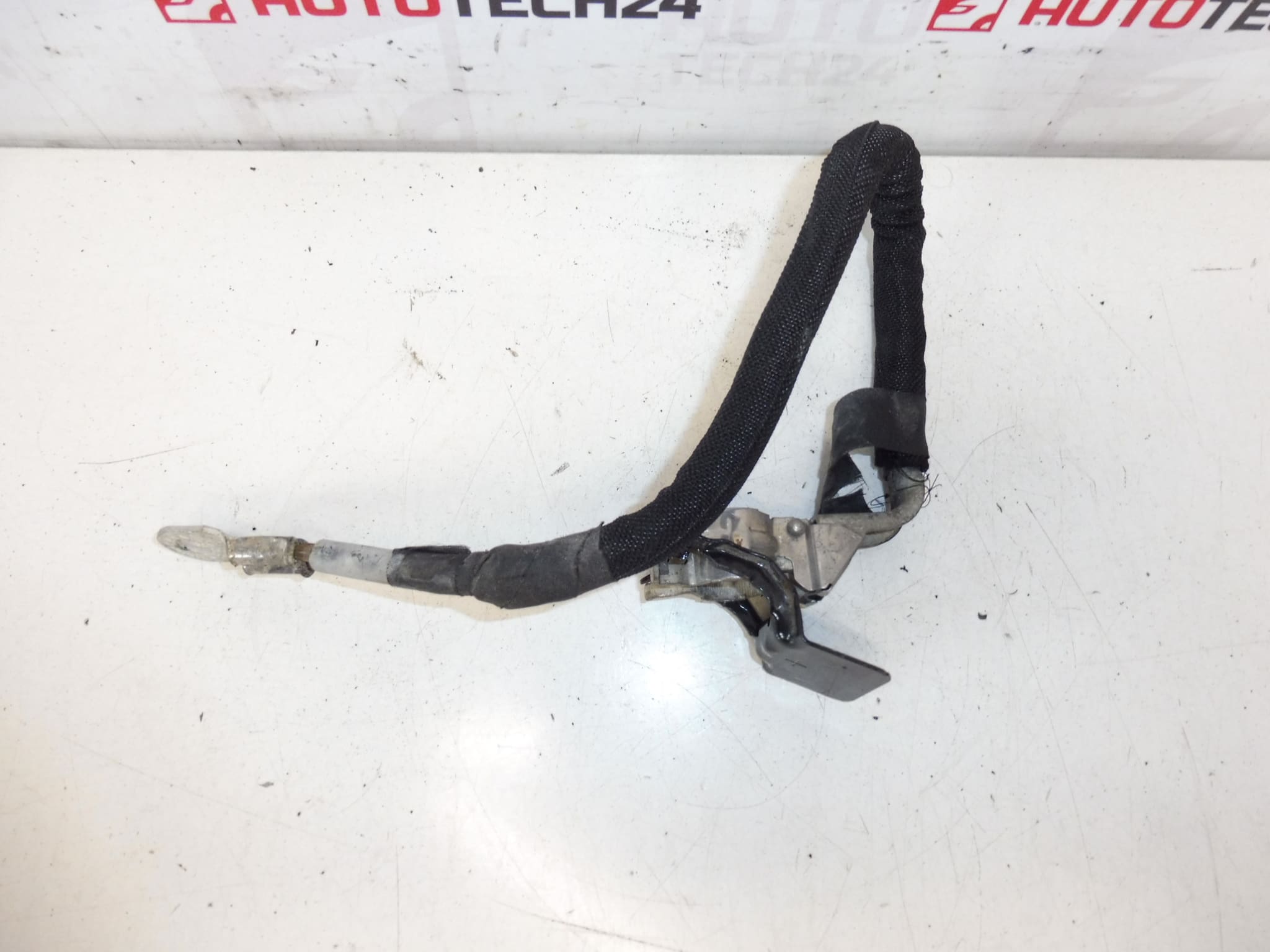
Positive battery cable for Citroen and Peugeot cars
Part description
This used connection cable + pole in the engine is intended for Citroën and Peugeot cars. It is an important part of the electrical installation that ensures the transmission of power in the engine compartment. When searching, it is often also searched for by product numbers, which facilitates the correct identification of the part when repairing or replacing a damaged original cable.
The part is especially suitable for mechanics and DIYers who are looking for an original used PSA car part with a focus on functionality, a reasonable price and preserving the original design of the vehicle.
Technical information
- Manufacturer: Stellantis Citroën Peugeot
- Model: Citroën C3 II
- Other numbers: 9674808180, 564621
Product codes
Product codes: 9674808180, 564621
Models from labels/backgrounds: Citroën C3 II
Installation recommendations
Generally and typically for this type of part, the exact method of replacement depends on the specific design of the car and the routing of the cable harness in the engine compartment. With a used power cable, it is important to focus mainly on the condition of the insulation, the termination and the compatibility of the connection points with the old piece.
1) Before assembly
- Compare the new and original part according to shape, cable length, type of terminals and method of attachment.
- Check for damaged insulation, cracked connector eye, signs of overheating or oxidation.
- Disconnect the battery before starting work to avoid a short circuit or damage to the wiring.
- Verify that the contact surfaces are clean and free of corrosion.
2) Necessary tools and materials
- A common set of hand tools
- Wrenches or sockets corresponding to the connections used
- Screwdrivers
- Cleaning agent for electrical contacts
- A cloth or a soft brush for cleaning the contacts
- Protective gloves and possibly a flashlight
3) Step-by-step assembly procedure
- Turn off the ignition and safely disconnect the battery.
- Get access to the original cable and document its routing, attachment and connection points.
- Carefully release all covers, clamps and holders that guide or fix the cable.
- Disconnect the original cable from each connection point.
- Check the condition of the contact surfaces and, if necessary, clean them of oxidation and dirt.
- Compare the dismantled cable with the used spare part, whether the terminals, length and orientation match.
- Place the replacement cable in the original route so that it is not stretched, pinched or routed over sharp edges.
- Connect the individual ends of the cable to their original places and make sure the contacts are seated correctly.
- Secure the cable in all holders and clamps so that it does not move during operation.
- Check again that the cable is not touching parts that get very hot or move.
- Connect the battery.
- Perform a basic function check of the electrical system after replacement.
-
4) Post-assembly checks and test drive/function verification
- Check that the cable is firmly attached and does not come loose anywhere.
- Verify that there is no sparking or abnormal heating of the connections after connecting the battery.
- Monitor the correct operation of the electrical circuits related to the power supply in the engine compartment.
- After a short test drive or after the car has warmed up, check the fit and condition of the connections again.
5) The most common assembly mistakes + how to avoid them
- Assembly without disconnecting the battery – there is a risk of short circuit and damage to the electrical installation; always disconnect the battery first.
- Insufficient contact cleaning – can cause transient resistance and heating; clean the contacts before assembly.
- Poor cable routing – the cable can fray or be damaged by heat; run it just like the original part.
- Insufficient fastening – a loose cable can be damaged by vibrations over time; use all original mounts.
- Long-term thermal stress in the engine compartment
- Mechanical rubbing against surrounding parts or sharp edges
- Corrosion and oxidation of contacts
- Damage due to short circuit or overload of the electrical circuit
- Motor vibration and loose cable attachment
- Unprofessional previous repair or inappropriate handling during servicing