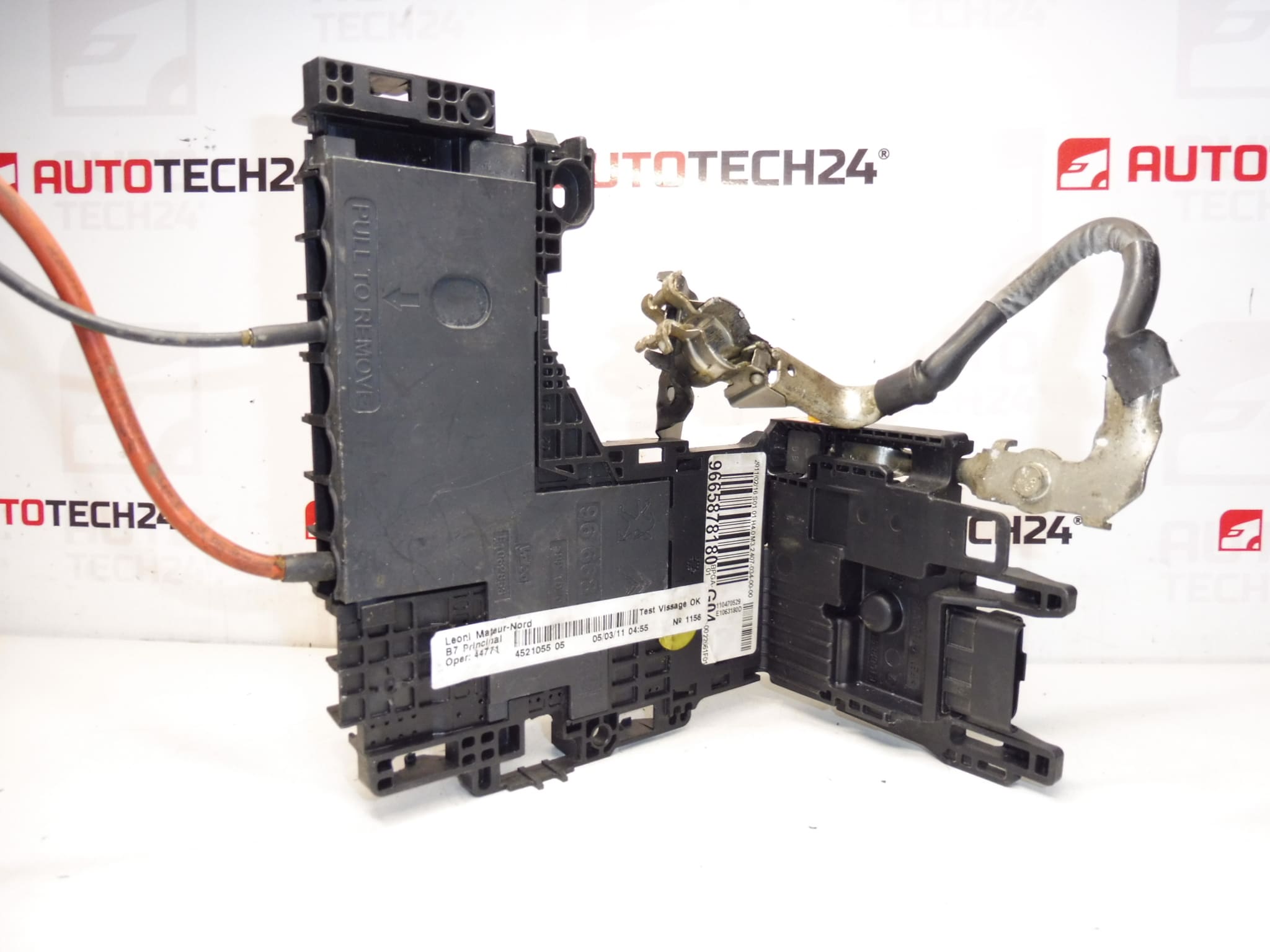
Description
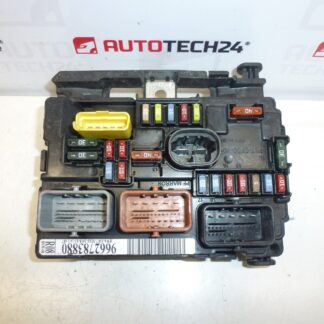
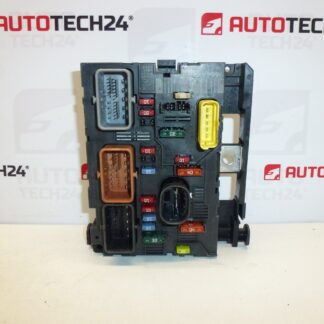
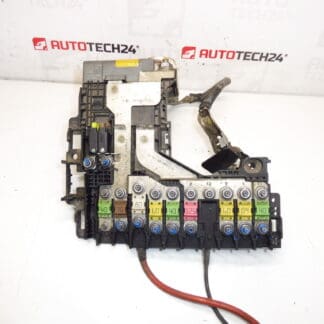
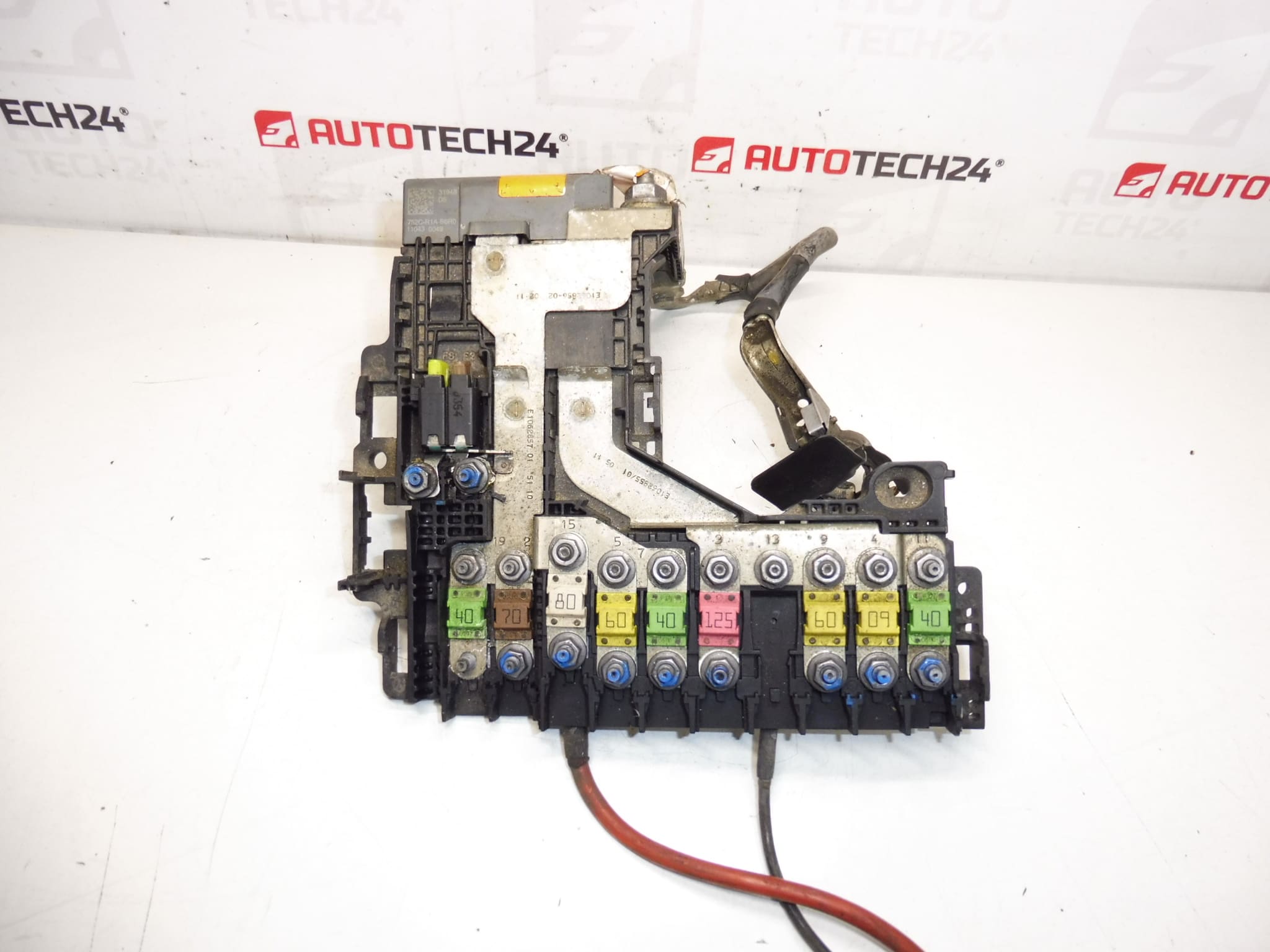
Power protection and distribution control unit for Citroën C4 B7 vehicles.
Overview
This power protection and distribution control unit (BSM) is designed for Citroën C4 II (B7) vehicles. The module manages and protects multiple electrical circuits by distributing battery power to engine management, lighting, comfort and safety subsystems, and incorporates fuse and relay functions to prevent damage from overloads. Frequently searched by OE numbers 9665878180, 9665878280, 9665878080 and code 6500JE, this used OE unit is suitable for professional repairs or competent DIY replacements.
Technical Information
- Manufacturer: Stellantis (Citroën/Peugeot)
- Model: Citroën C4 II (B7)
- Product Codes: 9665878180, 9665878280, 9665878080
- Additional Numbers: 6500JE
Fitment And Compatibility
Intended Fitment: Citroën C4 II (B7) generation. Exact compatibility depends on the OE number on the original part. Always confirm that the product code on your vehicle matches one of the listed codes before installation.
Installation Recommendations
- Safety First: Always disconnect the negative battery terminal before removing or installing the unit to avoid short circuits and electronic damage.
- Access: The module is typically located in the engine bay in the main fuse/relay area or near the battery. Remove protective covers and any obstructing components as required to gain clear access.
- Removal: Unplug all electrical connectors by releasing the locking tabs, note connector positions, and unbolt the module from its mounting points. Handle connectors carefully to avoid broken pins or clips.
- Installation: Fit the replacement module, secure bolts to the manufacturer’s recommended torque where available, reconnect connectors ensuring full engagement, and reinstall protective covers.
- Post-Installation: Reconnect the battery and verify system operation. Clear stored fault codes and perform a full systems check with a diagnostic tool to confirm all related circuits are functioning correctly. If vehicle-specific programming or adaptations are required, use appropriate diagnostic equipment.
- Professional Advice: For complex faults or when coding/adaptation is needed, have the work performed or validated by a technician with PSA/ Stellantis diagnostic tools and experience.
Common Failure Causes
Typical reasons for BSM failures include water ingress and moisture-related corrosion, electrical overloads or short circuits (often from aftermarket accessories or damaged wiring), loose or corroded battery/ground connections causing arcing, and thermal stress from prolonged high current loads. Failures may present as intermittent electrical faults, blown internal fuses, loss of multiple functions (lighting, starter, ECU power), or complete loss of power to certain circuits.
What To Expect
There is no fixed replacement interval for this module; lifetime depends heavily on vehicle environment and maintenance. Units can last many years but are vulnerable to environmental damage and electrical faults. When replacing, use the correct OE product codes to ensure direct fit and reliable operation.