Description
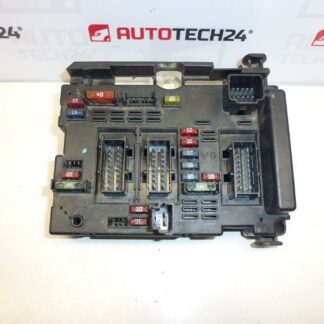
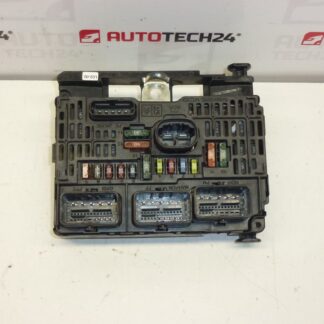
BSM B5 SIEMENS for Citroën and Peugeot vehicles.
Upgrade or replace the BSM B5 Siemens Continental module to restore reliable body electronics on Citroën and Peugeot models. This body system module controls multiple comfort and security functions and is often searched by part number (e.g. 9650618280). Ideal for professional workshops and competent DIYers, this unit fits a range of vehicles and is commonly required after electrical faults, water ingress or aging components. Technical references and OEM codes are included below to help you quickly identify the correct part.
Technical Information
Manufacturer: Siemens / Continental
Model: BSM B5
Product Codes: 9650618280, 9650618280-00, T118470005
Additional Numbers: K 6500Y3, 6500Y1, 9643498680-00
Compatibility
Commonly used on various Citroën and Peugeot models, including but not limited to: Citroën Berlingo, Citroën C3, Citroën C5, Citroën Xsara, Citroën Xsara Picasso, Peugeot 206, Peugeot 307, Peugeot Partner. Always verify fitment by comparing product codes with the unit from the vehicle.
Function
The BSM (Body System Module) B5 centralizes numerous body and comfort electronics. Typical functions include central locking, interior lighting logic, power window control, alarm/immobilizer interface and other convenience circuits. It acts as a gateway between switches, sensors and the vehicle’s wiring harness to coordinate these systems.
How To Replace
1. Prepare: Park on a flat surface, engage the parking brake and disable all loads (lights, accessories).
2. Safety: Disconnect the negative battery terminal before starting work to avoid short circuits and protect sensitive electronics.
3. Access: Remove the lower dashboard trim or glovebox as required to reach the BSM module location (varies by model).
4. Disconnect: Carefully unplug all multi-pin connectors and antenna/immobilizer leads; avoid pulling on wires.
5. Replace: Remove mounting fasteners, install the new unit, reattach connectors and secure the module in place.
6. Reconnect: Reconnect the battery and check basic vehicle functions. Note that further coding or key/immobilizer synchronization may be required to restore full functionality.
Installation Recommendations
– Always disconnect the battery before removal and follow manufacturer procedures to avoid damage to the module.
– Inspect connector pins and wiring for corrosion or damage before fitting the new unit.
– Use anti-seize on mounting points if recommended by the vehicle manufacturer and ensure a stable ground connection.
– If the vehicle displays immobilizer or start issues after replacement, specialized diagnostic equipment may be required for initialization or coding.
Most Common Failure Reasons
– Water Ingress: Moisture reaching the module or connectors leads to corrosion and electrical shorts.
– Connector Corrosion Or Broken Pins: Bad contacts create intermittent faults affecting multiple systems.
– Electrical Surges: Jump starts, faulty alternators or short circuits can damage internal electronics.
– Thermal Stress And Ageing: Repeated heating/cooling cycles and long service life can cause solder joint failures.
– Faulty Peripherals: Failures in sensors, switches or wiring can stress the BSM and lead to apparent module faults.
Notes For Professionals And Experienced DIYers
This part is commonly identified by the OEM numbers listed above; searching by part code speeds up locating the correct replacement. If symptoms involve immobilizer, remote central locking or engine start inhibition after replacement, expect additional diagnostics and possible key synchronization. For reliable results use appropriate diagnostic tools and follow safe electrostatic and handling procedures when working with control modules.