Description
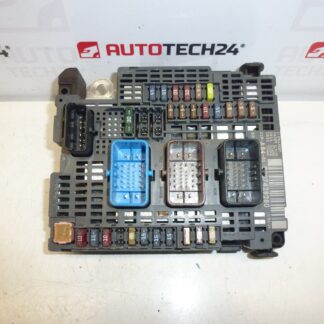
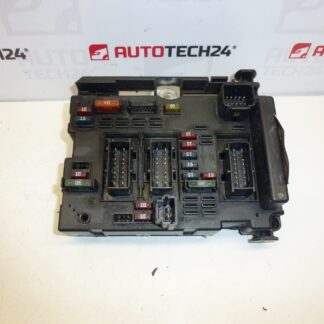
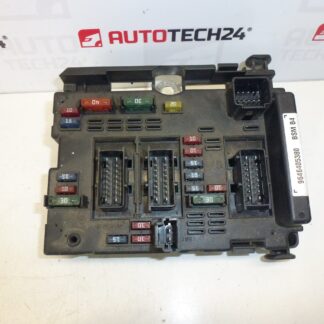
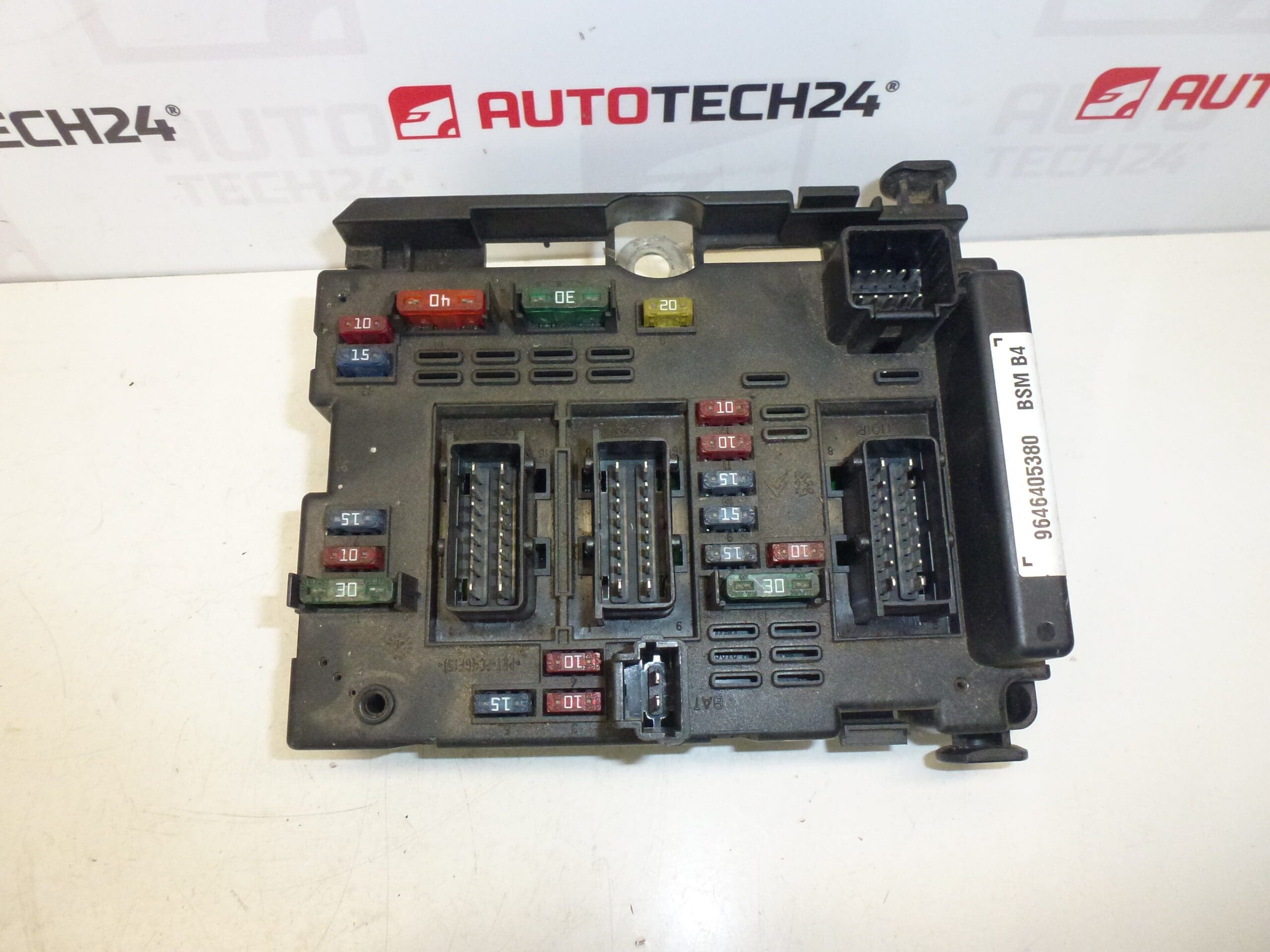
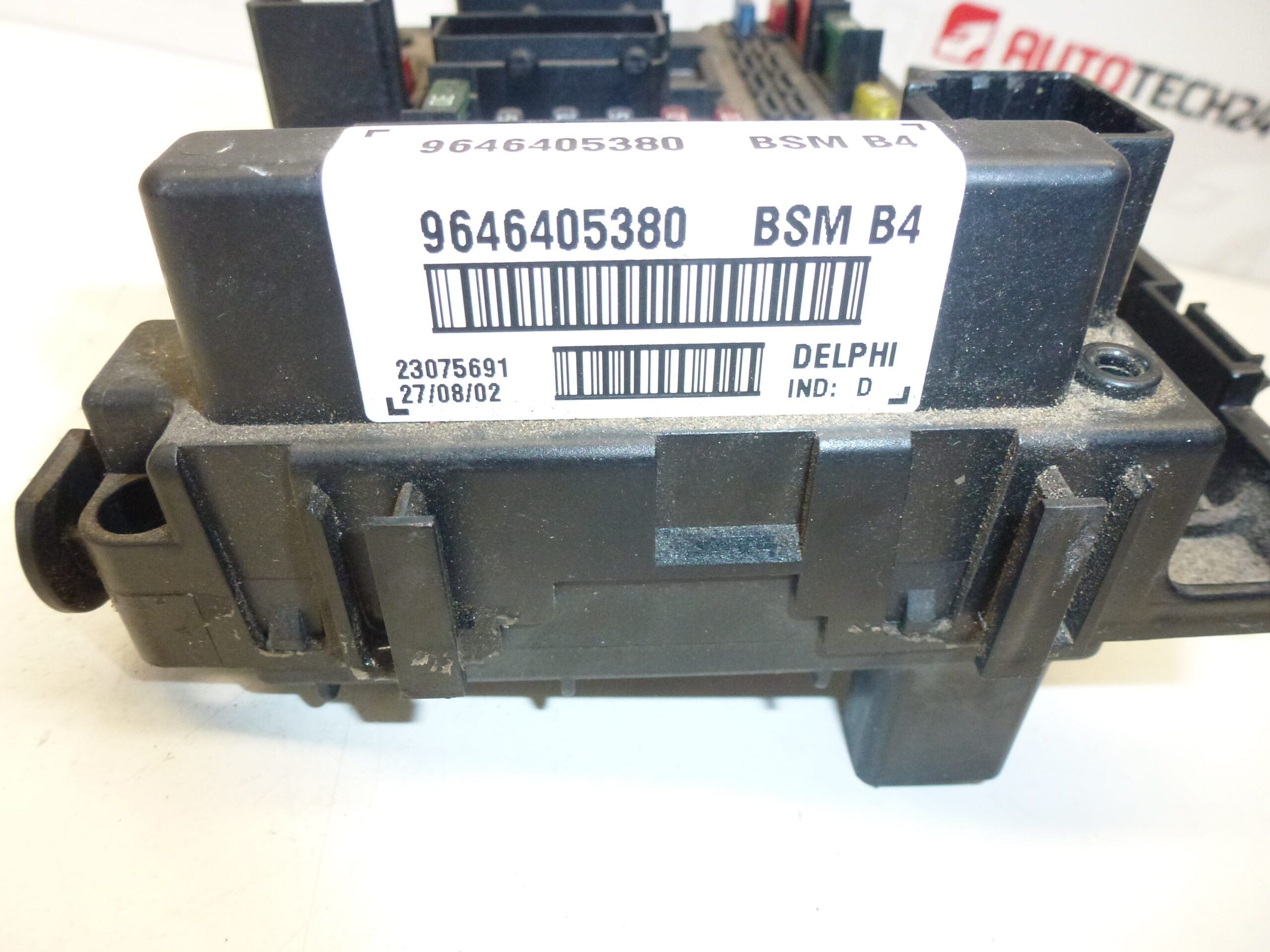
BSM B4 DELPHI For Peugeot Citroën Vehicles. This Is A Used Part With A Guarantee Of Functionality. Some Of The Mounting Brackets May Be Damaged – Does Not Affect Functionality.
Product Overview
The Delphi BSM B4 (Body System Module / Engine Service Box) is a compact control and fuse/relay assembly used on a range of Peugeot and Citroën models. Supplied as a used unit with a functionality guarantee, this BSM is a direct replacement for vehicles that list the OE codes below. It manages numerous vehicle electrics such as power distribution, relay switching and several body-control functions that affect lights, wipers, central locking and starter circuits.
Key Features And Advantages
- Direct Fit For Many Stellantis Models: Designed For Citroën And Peugeot Applications.
- OE Reference Compatibility: Commonly Searched By Part Numbers, Making It Easy To Find Replacement Units.
- Cost-Effective Alternative: Used Unit That Restores Electrical Functionality Without The New-Unit Price.
- Practical For Workshops And DIYers: Saves Diagnosis Time By Replacing A Known-Fault Module.
Technical Information
- Manufacturer: Delphi
- Model: Citroën C8; Peugeot 206; Peugeot 307; Peugeot 807
- Product Codes: 9646405380; 6500Y1; 6500Y3
- Other Numbers: BSM B4
Installation Recommendations
Before Starting Work, Always Isolate The Vehicle Battery To Prevent Short Circuits. Removal And Fitment Steps (General Guidance):
- Locate The BSM According To The Vehicle Manual (Position Varies By Model).
- Disconnect The Battery Negative Terminal.
- Remove Any Trim Or Covers Securing The Module And Unplug Electrical Connectors Carefully—Use A Small Pick If Necessary To Release Clips.
- Unscrew Mounting Bolts And Extract The Module. Inspect Connectors For Corrosion Or Bent Pins.
- Fit The Replacement Unit, Secure Mounting Hardware And Reconnect Connectors Firmly. Reconnect The Battery And Perform Electrical Checks (Lighting, Central Locking, Wipers, Starter Circuit).
- Note: Some Vehicles May Require Module Configuration Or Immobiliser Synchronisation After Replacement—Use An Appropriate Diagnostic Tool If Required.
- Although Some Mounting Brackets May Be Damaged, This Does Not Affect The Module’S Electrical Function; Replace Brackets If Needed For Secure Mounting.
Most Common Reasons For Failure
- Water Ingress And Moisture: Corrosion Of Pins And Internal Contacts Leads To Intermittent Faults Or Total Failure.
- Connector Corrosion Or Poor Contact: Oxidation Causes Voltage Drops And Erratic Behaviour.
- Thermal Stress And Ageing: Heat Cycles Can Degrade Internal Components, Especially On High-Mileage Vehicles.
- Electrical Surges: Faulty Charging Systems Or Short Circuits Can Damage Internal Electronics.
- Mechanical Damage To Mounting Points: Can Lead To Vibration-Induced Failures, Although Cosmetic Damage To Brackets Often Does Not Affect Functionality.
Notes For Mechanics And DIY Repairers
When Installing A Replacement BSM, Double-Check Connector Integrity And Fuse Values. If The Vehicle Exhibits Multiple Unrelated Electrical Faults, Replacing The BSM Often Resolves Symptoms Quickly. For Vehicles With Immobiliser Or Advanced Body Electronics, Have A Diagnostic Tool Ready To Check Fault Codes And Perform Any Necessary Module Adaptation.