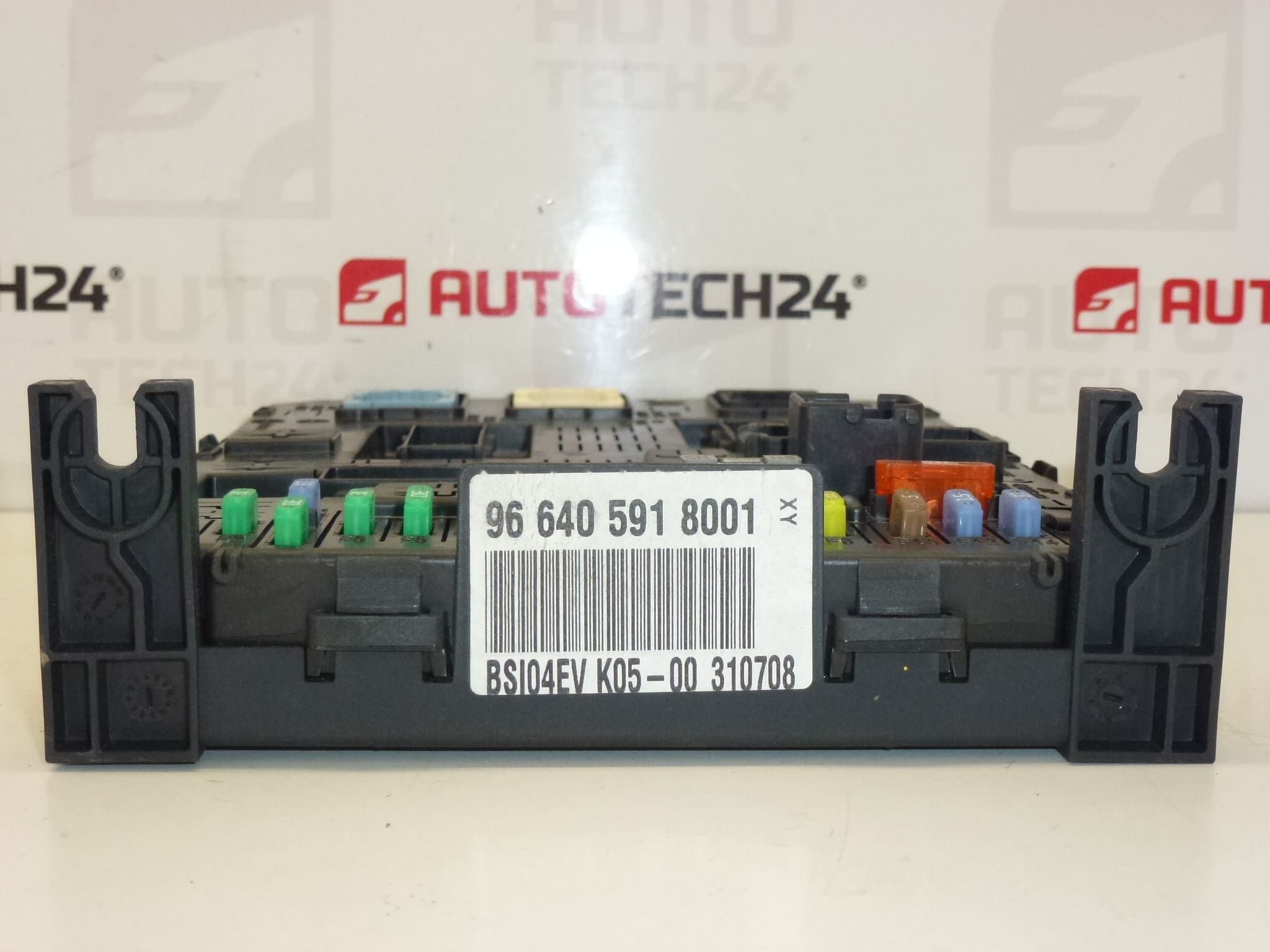
Description
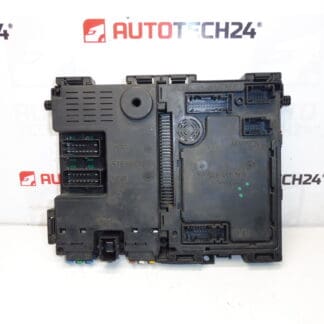
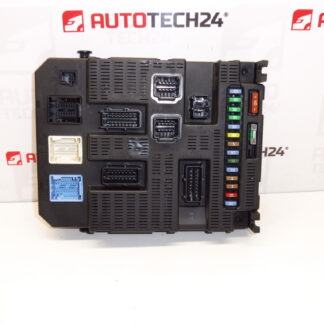
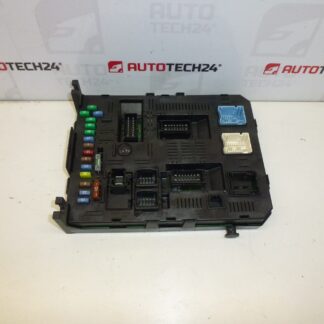
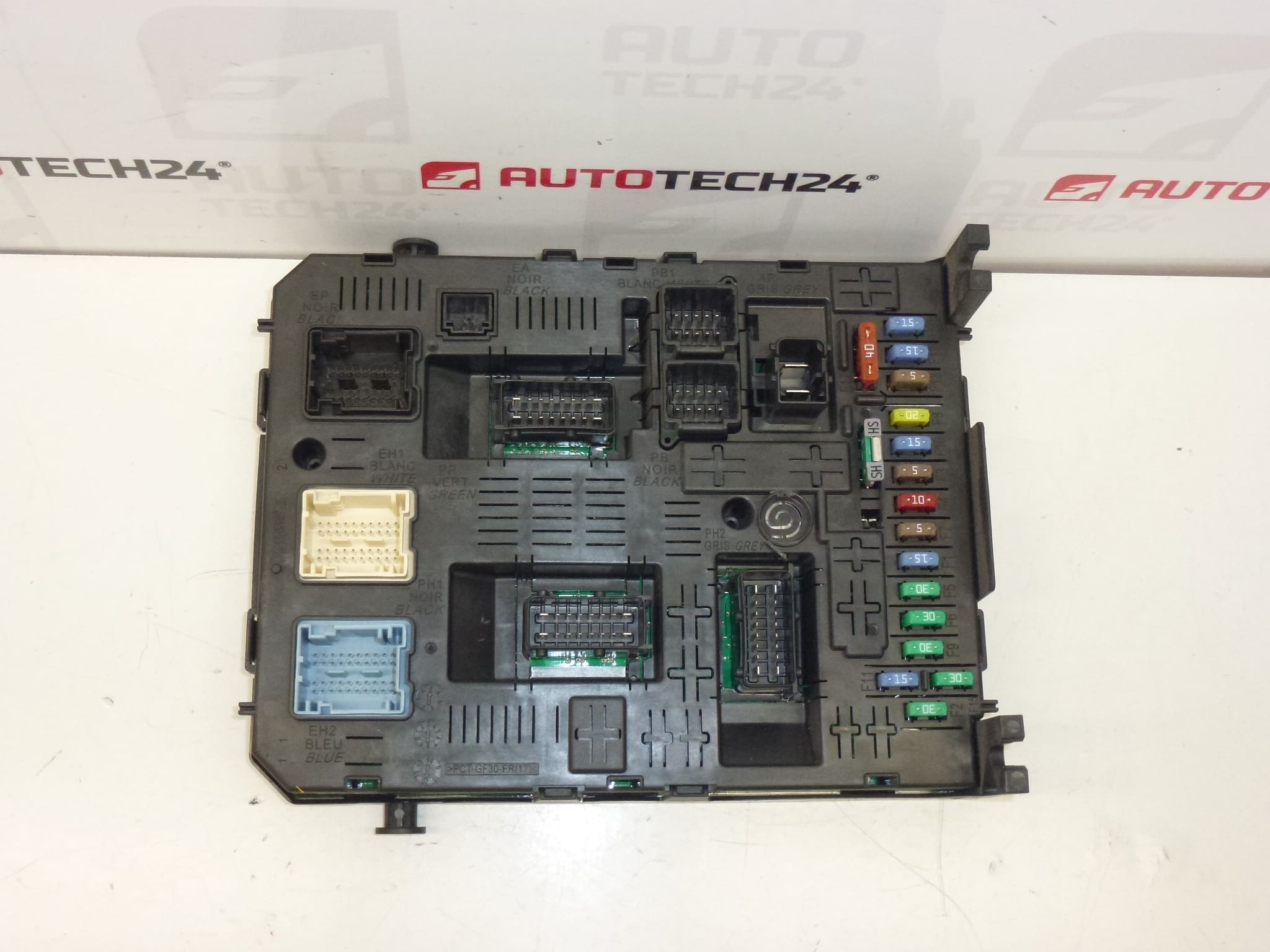
BSI Control Unit Johnson Controls for Citroën and Peugeot Vehicles.
This BSI (Body Systems Interface) control unit from Johnson Controls is designed for a range of Citroën and Peugeot models and provides central management of vehicle comfort and body electrical functions. It is commonly fitted to models such as Citroën C4 and Peugeot 308 and is often searched for by part number 9664059180. The unit centralizes control for lighting, central locking, wipers, interior electronics and communicates with the immobilizer and other modules. For professional mechanics and experienced DIY enthusiasts, this used BSI offers an economical solution when correctly diagnosed and installed. Proper handling, pairing and coding are essential for full functionality after replacement.
Technical Information
- Manufacturer: Johnson Controls
- Model: BSI04EV K05-00
- Product Codes: 9664059180, 966405918001
- Other Numbers: 6580RN, 6580RP, 1663372780, HARD 28119249-6D, BOOT 28120836-4
- Applicable Models (examples): Citroën C4, Peugeot 308 (check exact variant and equipment level before installation)
Function And Application
The BSI is the main comfort and body control unit in PSA vehicles. It coordinates electrical functions such as central locking, interior and exterior lighting, wiper control, electric windows, alarm and some comfort-related relays. It also interfaces with the immobilizer system and provides power distribution and diagnostic communication to other ECUs. Loss of BSI functionality can cause multiple seemingly unrelated electrical faults, so correct diagnosis is important before replacement.
Replacement Procedure
Replacement should be performed by a trained technician or an experienced DIYer comfortable with vehicle electronics. Typical steps:
- Disconnect the negative battery terminal and wait a few minutes to discharge capacitors.
- Remove trim panels to access the BSI module (usually located behind glovebox or under dashboard depending on model).
- Unplug all connectors carefully, releasing locking tabs to avoid damage to pins and housings.
- Unscrew and remove the old unit, install the replacement, reconnect connectors and secure mounting.
- After mechanical installation, the unit will generally require cloning or coding to match the vehicle (see Installation And Coding – Important below).
Installation Recommendations
- Always disconnect the battery before starting work to avoid short circuits and potential damage to the unit.
- Protect connectors and pins from contamination and bending during removal and installation.
- Avoid pushing or pulling wiring harnesses; release all locking clips first.
- Observe ESD (electrostatic discharge) precautions when handling the PCB or exposed electronic connectors.
- After installation, verify all related functions (locking, lighting, wipers, instrument communications) and read fault codes with a compatible diagnostic tool.
Installation And Coding – Important
- The Unit Is Used And Is “Paired” With The Original Vehicle (VIN/PIN/Keys).
- Options For Commissioning:
- Cloning Data From The Old Unit (EEPROM/Flash) – After Cloning The Unit Is Plug And Play.
- Virginization And Subsequent Initialization/Telecoding Via DiagBox (Or Online) + Key Adaptation.
- Recommended To Be Performed By A Specialist With PSA Service Equipment (DiagBox/Lexia/PP2000).
- Always Disconnect The Battery Before Removal/Installation And Follow The Manufacturer Procedure To Avoid Damaging The Unit.
Why This Part Most Often Fails
Common causes of BSI failure include water ingress and corrosion (often from leaks or high humidity), electrical surges or short circuits (jump-starts or incorrect battery connection), degraded solder joints or electronic components due to thermal cycling, and connector corrosion or broken pins. Software corruption or loss of correct vehicle pairing can also render the unit non-functional. Because the BSI manages many systems, a single fault can present as multiple symptoms.
Typical Lifetime And Symptoms
Lifetime varies with vehicle age, exposure and usage patterns; many BSI units operate trouble-free for 8–15 years but failures are more common in older or moisture-exposed cars. Symptoms of a failing BSI include intermittent or permanent loss of central locking, unresponsive switches, lighting faults, sporadic dashboard warnings, or communication errors on diagnostic tools.
Notes For The Installer
Verify the part numbers printed on the unit match the required references. If cloning is chosen, ensure a complete EEPROM/Flash dump is taken and verified. If virginizing and coding, ensure you have access to PSA diagnostic equipment and proper authorization to perform coding and key adaptation. After completing installation and coding, perform a full function check and clear any residual fault codes.