Description
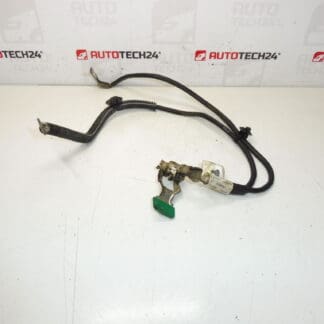
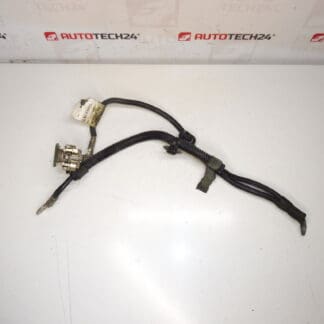
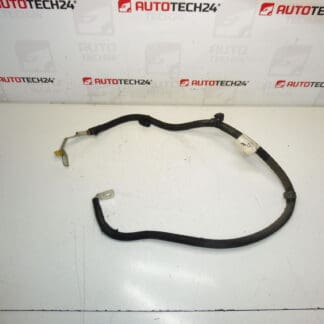
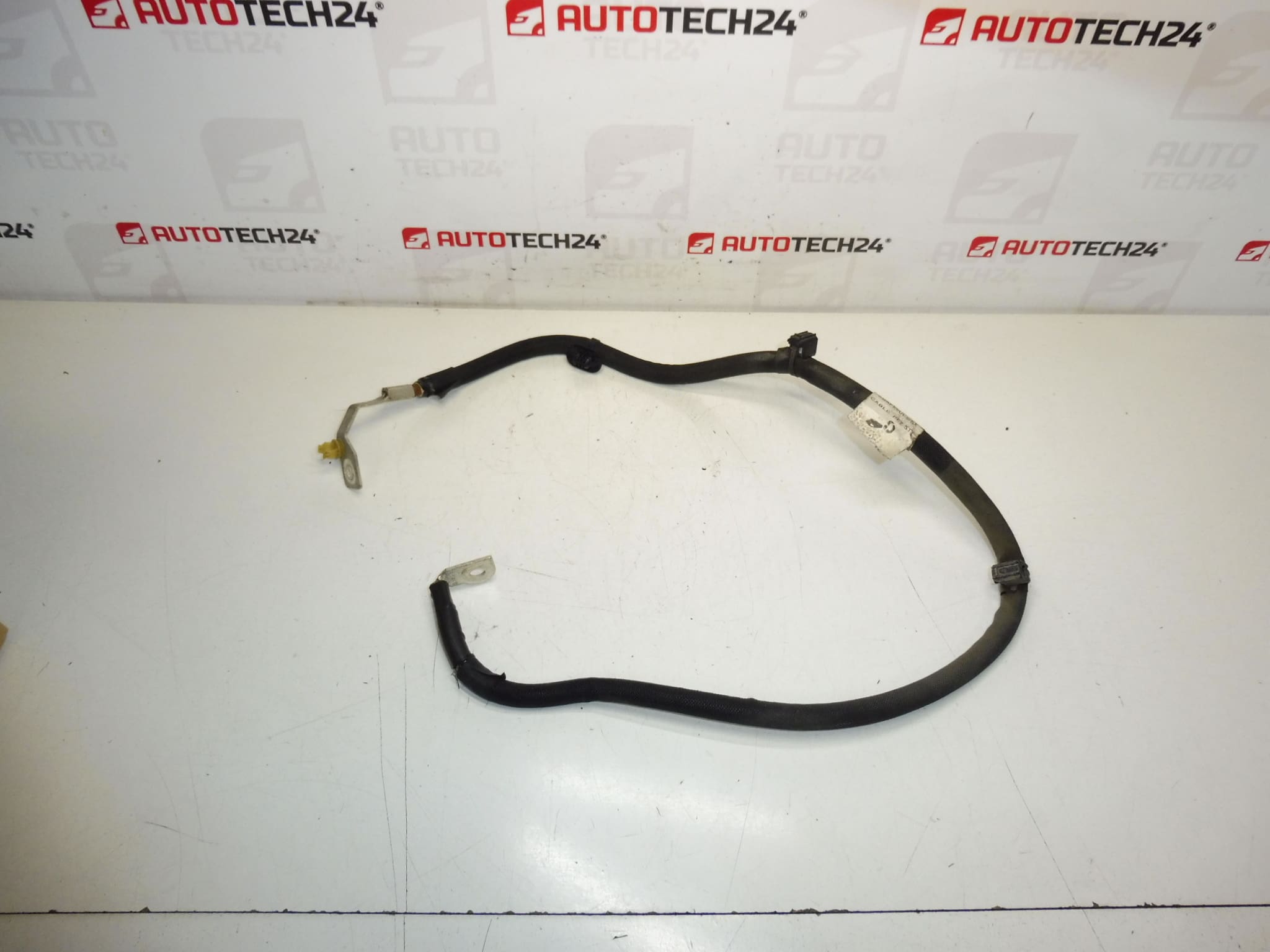
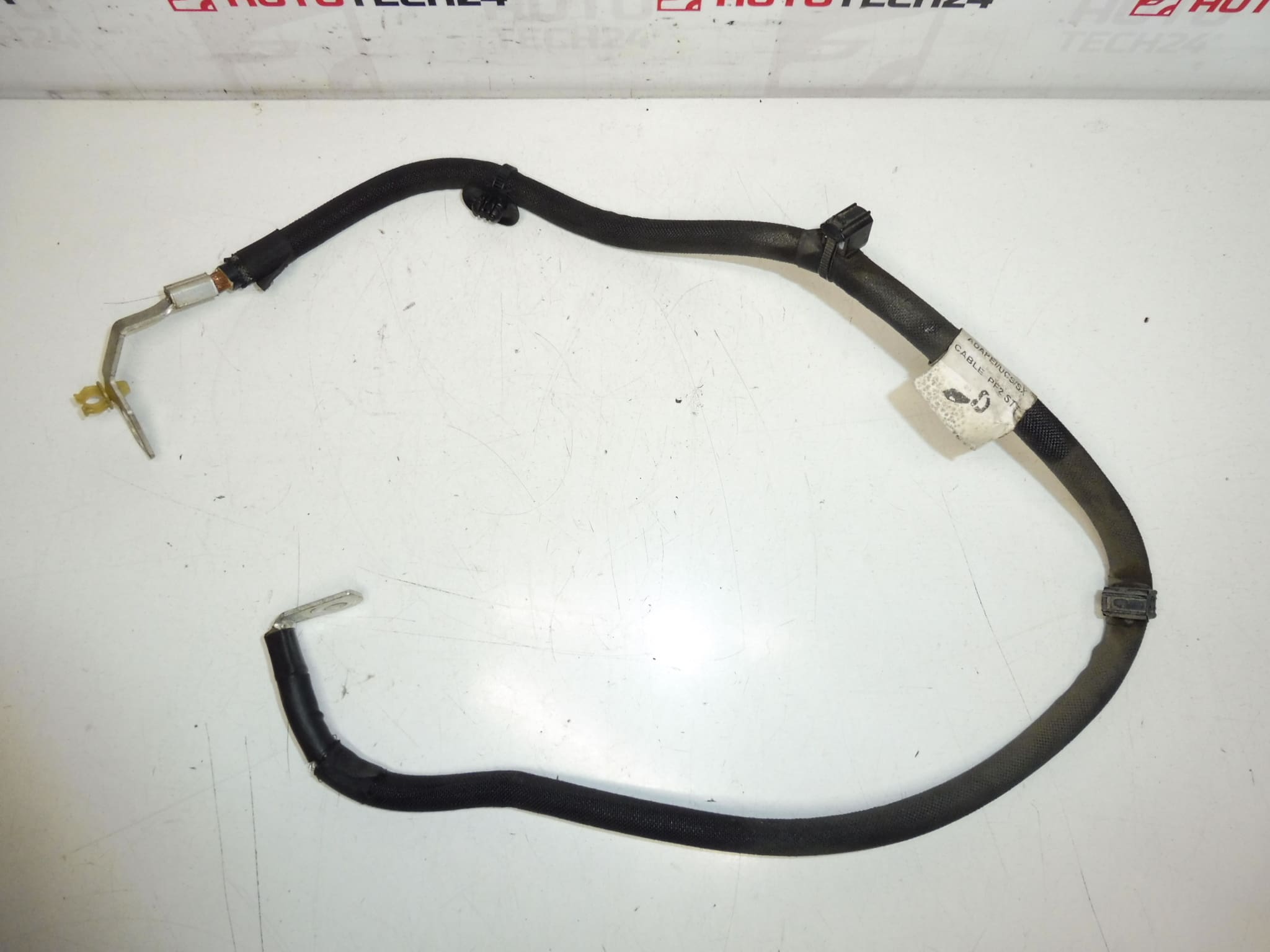
Battery negative pole cable for e-hdi engines with START-STOP for Citroen and Peugeot cars
Part description
This used negative battery cable is intended for Citroën and Peugeot cars and is suitable for the applications listed in the documents. It is an important electrical part of the engine compartment, which ensures the correct connection of the negative pole of the battery with the vehicle’s electrical system. For cars with the e-HDi and START-STOP system, the correct function of this cable has a major impact on the reliability of starting and the overall operation of the electrical system.
The part is often searched for by production numbers, so we recommend paying attention to 9676811480 and 5638NK. For auto mechanics and home repairers, it is a practical choice when dealing with damaged, oxidized or otherwise non-functional original cable.
Technical information
- Manufacturer: Stellantis Citroën Peugeot
- Model: Citroën C4, Citroën C4 PICASSO, Peugeot 308
- Other numbers: 9676811480, 5638NK
Product codes
- Product codes: 9676811480, 5638NK
Installation recommendations
In general, replacing the negative cable of the battery requires care and attention to safety, as it is part of the vehicle’s electrical installation. The exact steps may vary depending on the specific model and make of the car.
1) Before assembly
- Check if the used part matches the old part under numbers 9676811480 and 5638NK.
- Compare the length of the cable, the shape of the end, the type of connectors and the method of attachment.
- Check the condition of the contacts, whether they are oxidized, overheated, mechanically damaged or loose.
- Before working, disconnect the battery and secure the vehicle against unwanted movement.
2) Necessary tools and materials
- regular set of hand tools
- ratchet and suitable attachments
- screwdrivers
- cleaning agent for electrical contacts
- a cloth or a soft brush for cleaning the contact surfaces
- protective gloves
3) Step-by-step assembly procedure
- Turn off the ignition and leave the vehicle’s electrical system at rest.
- Disconnect the battery according to normal safety procedure.
- Access the original battery negative cable and check its wiring.
- Carefully release all grips, holders and connection points of the old cable.
- Dismantle the old cable while noting its original routing.
- Clean the bearing and contact surfaces from oxidation, dirt and possible residual deposits.
- Compare the old and new part for the same termination, length and connection orientation.
- Place the used cable in its original route so that it is not stretched, kinked or in contact with parts that normally heat up or move.
- Connect the individual ends of the cable to their original locations and seat them carefully.
- Secure the cable in all original grips and holders.
- Reconnect the battery.
- Check the electrical function of the vehicle and verify that the connection is stable and without dropouts.
-
4) Post-assembly checks and test drive/function verification
- Check that the cable does not rub anywhere, is not pinched and holds in all grips.
- Verify the correct starting of the vehicle and the stable operation of the electrical system.
- After a short test drive, visually check the fastening and condition of the contacts again.
- If the vehicle shows non-standard behavior of the electrical installation, check the correct seating and cleanliness of the connections.
5) The most common assembly mistakes + how to avoid them
- Part swapping based on similar appearance – always compare product numbers and connector designs.
- Mounting on dirty or oxidized contacts – clean the contact surface carefully before installation.
- Bad cable routing – pay attention to the original routing and correct attachment.
- Insufficient fixing – check all brackets and fixing points.
- Work without disconnecting the battery – always follow the basic safety procedure before assembly.
Reasons why the part is damaged
- Oxidation of contacts caused by moisture and age of the material.
- Mechanical stress during engine vibrations and normal vehicle operation.
- Insulation damage from friction with surrounding parts or inappropriate cable routing.
- Transient resistance at connections arising from loose or dirty contacts.
- Thermal stress in the engine compartment, which can gradually deteriorate the condition of the conductor and insulation.