Description
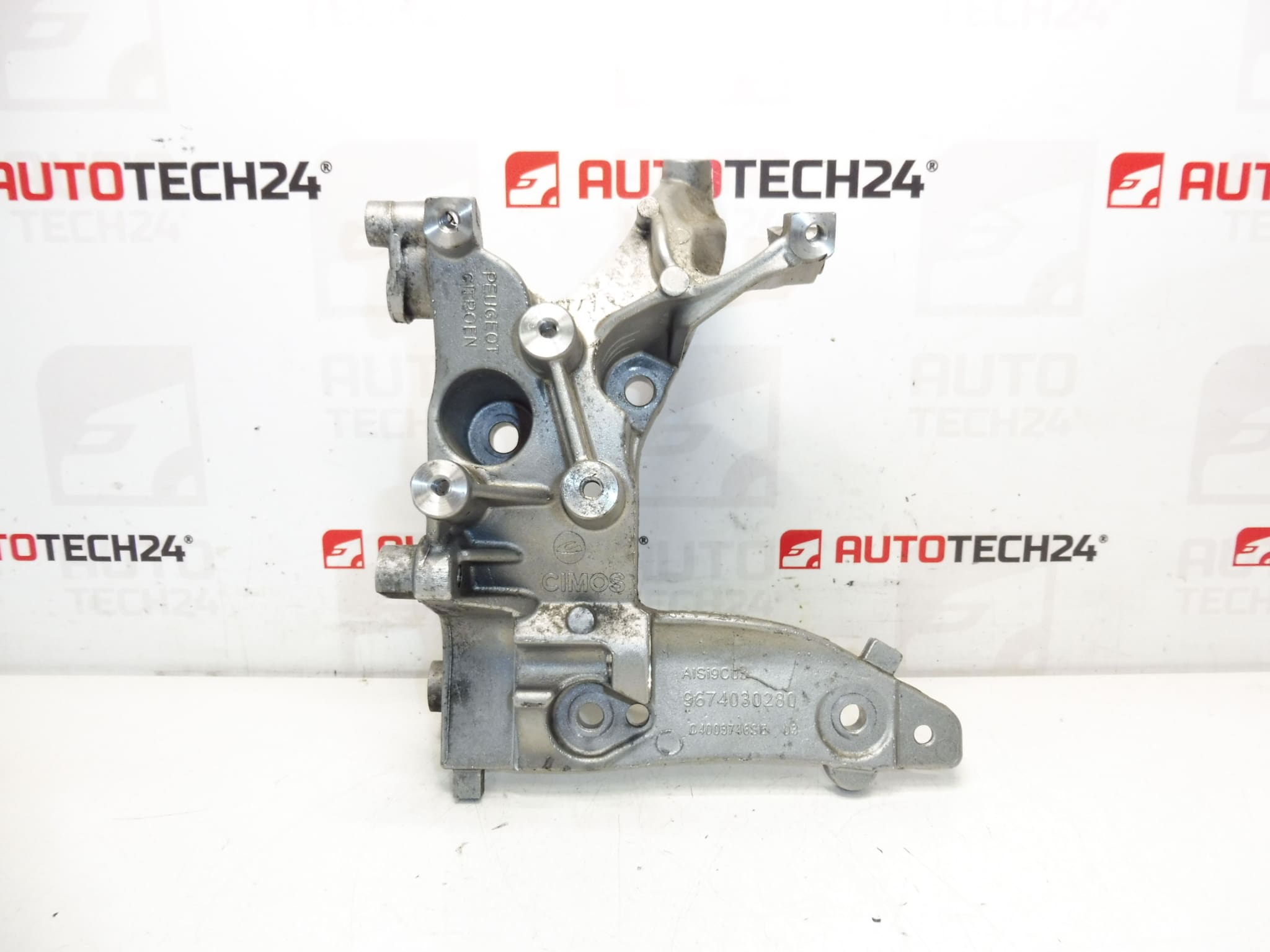
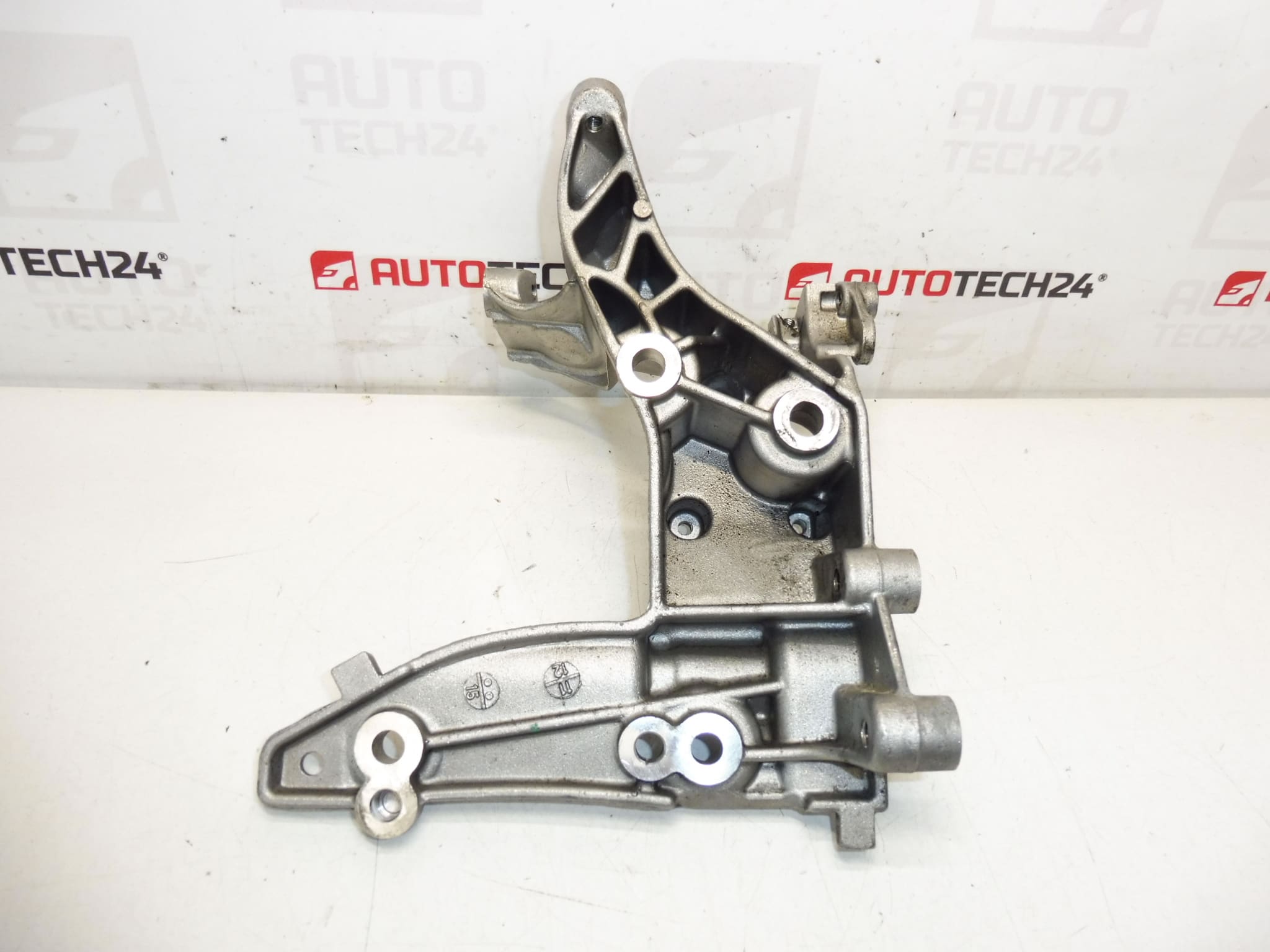
Alternator bracket for Citroën and Peugeot vehicles with 1.6 e-HDI Start-Stop engines
Direct replacement alternator bracket designed for vehicles equipped with the 1.6 e-HDI Start-Stop powertrain. Fits common Citroën and Peugeot models and references part numbers 9674030280 and 5706P8 for quick identification. The bracket secures the alternator to the engine, preserves pulley alignment and reduces vibration transfer to the charging system—helpful for both professional workshops and experienced DIY mechanics looking for a reliable fitment option.
Function
The Alternator Bracket fastens the alternator to the engine block and sets the correct position and alignment of the alternator pulley relative to the accessory belt. Proper mounting prevents excessive vibration, maintains belt tracking and tension, and ensures stable operation of the charging system and Start-Stop functionality.
Compatibility
Suitable For Vehicles With 1.6 e-HDI Start-Stop Engines, Including Examples:
- Citroën C4
- Citroën C4 Picasso
- Peugeot 308
- Peugeot 3008 I
- Peugeot 5008 I
Technical Information
- Manufacturer: Stellantis (Citroën / Peugeot)
- Model: 1.6 e-HDI Start-Stop
- Product Codes: 9674030280
- Additional Numbers: 5706P8
Installation Recommendations
Always Disconnect The Battery Before Starting Work. Support The Engine If Required To Relieve Load On Mounting Points. General Replacement Steps:
- Safely raise and support the vehicle to access the alternator area.
- Loosen and remove the accessory drive belt or release the belt tensioner to remove the belt from the alternator pulley.
- Secure the alternator (use a strap or jack) to prevent it from dropping when the bracket is removed.
- Disconnect electrical connectors from the alternator and remove mounting bolts holding the bracket.
- Fit the new bracket, transfer any required spacers or bushings, and tighten bolts to the manufacturer torque specification (refer to the vehicle service manual).
- Reinstall the alternator, reconnect electrical connectors, refit the drive belt and check belt alignment and tension.
Use Appropriate Replacement Bolts If Original Fasteners Are Corroded. After Installation, Inspect Belt Tracking And Confirm Charging System Operation. If You Are Unsure About Procedures Or Torque Values, Have The Job Performed By A Qualified Technician.
Most Common Causes Of Failure
Alternator Brackets Rarely Fail Without Cause. Typical Reasons For Replacement Include:
- Corrosion And Metal Fatigue: Long-term exposure to moisture and road salt can weaken the bracket or threads.
- Mechanical Damage: Impacts from collisions or improper removal/installation can bend or crack the bracket.
- Seized Alternator Or Pulley: A seized bearing can place excessive stress on the bracket and mounting points.
- Over-Tensioned Or Misaligned Belt: Incorrect belt tension or pulley alignment can accelerate wear on the bracket and mounting hardware.
- Stripped Threads Or Broken Studs: Corroded or over-torqued fasteners may damage mounting threads, necessitating bracket replacement.
Inspect The Bracket Whenever You Replace The Alternator, Tensioner Or Accessory Belt. Replacing A Damaged Bracket Prevents Premature Wear Of The New Alternator And Belt Components.