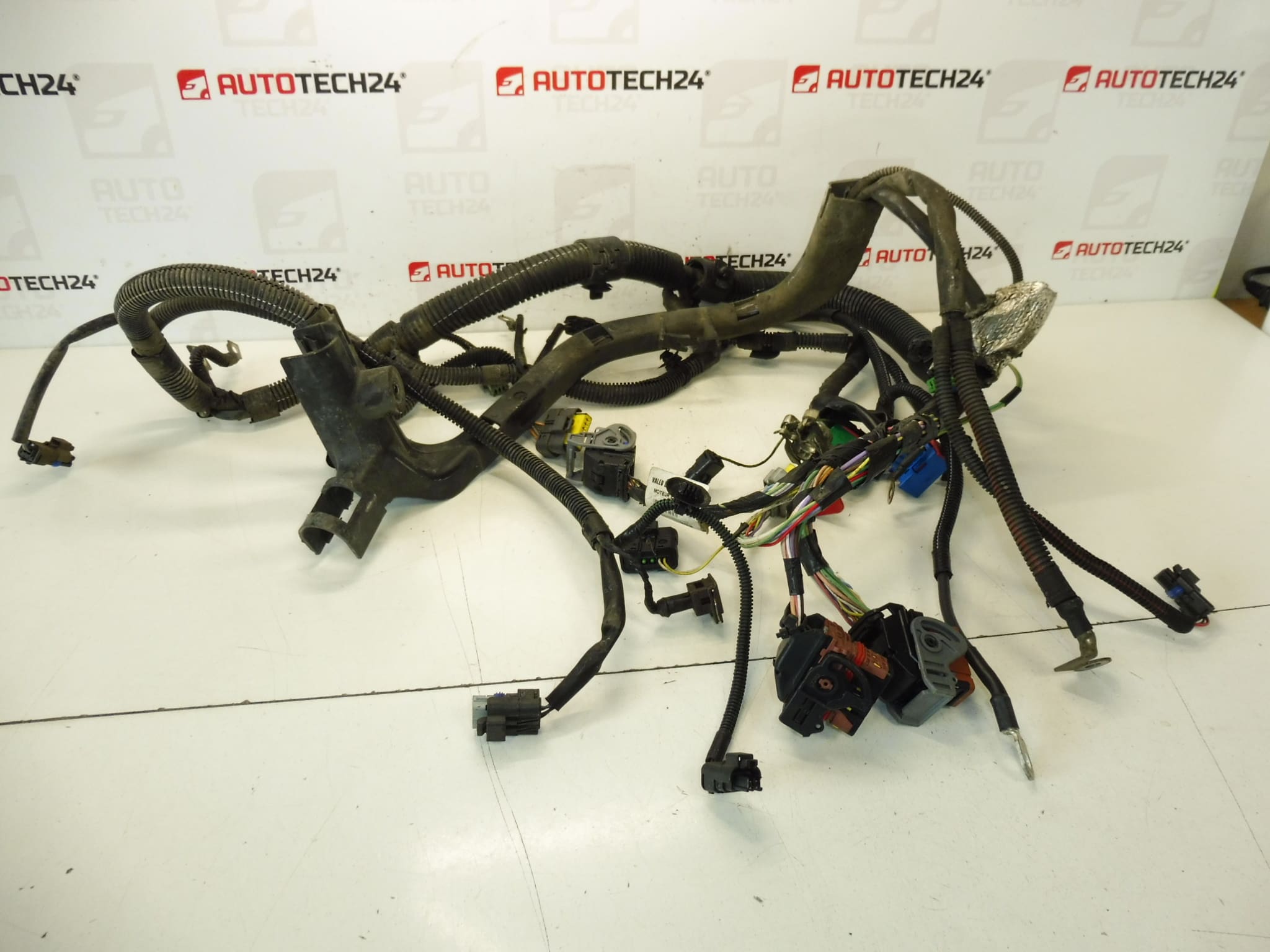
Description
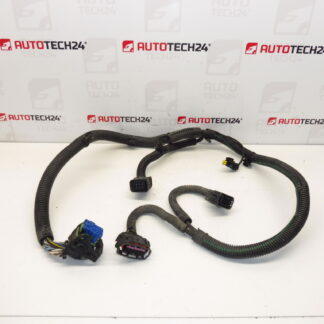
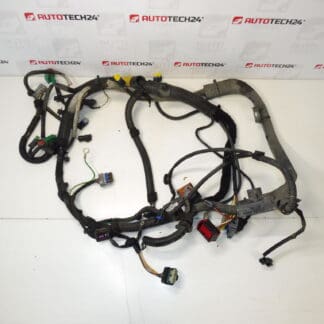
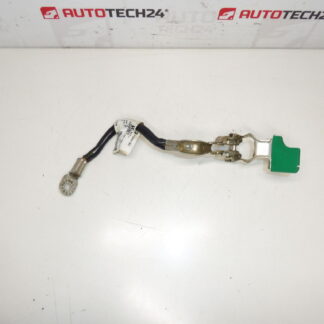
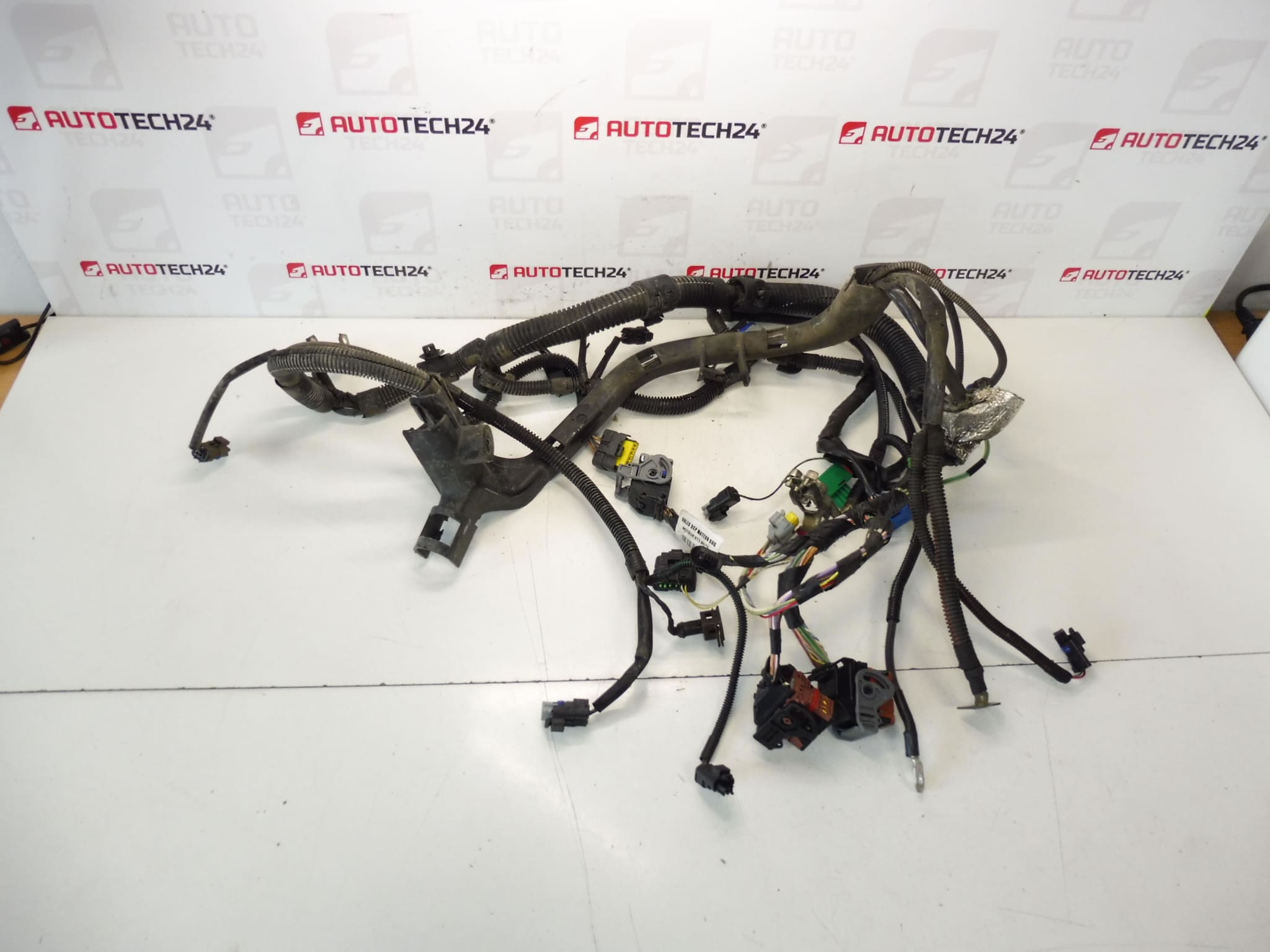
Complete engine wiring harness for CITROËN and PEUGEOT vehicles with the 1.6 16V NFU engine. From a CITROËN C4 2008.
This complete engine wiring harness is intended for professional workshops and experienced DIY mechanics who need a direct replacement for the 1.6 16V NFU engine wiring loom. The harness restores reliable electrical connections between sensors, actuators and the engine control systems, reducing fault codes and intermittent electrical problems. Many customers search by OEM part numbers, so the listed codes are included here for quick identification and fitment checks.
Technical Information
- Manufacturer: Stellantis
- Model: Citroën C4; Compatible With Peugeot 307 (Vehicles Equipped With 1.6 16V NFU Engine)
- Product Codes: 9684875780, 9663466280, 9663466380, 9684875680
- Other Numbers: 6569FG, 6564FG
Fitment And Application
Originally removed from a Citroën C4 2008 donor vehicle. Suited for vehicles fitted with the 1.6 16V NFU engine, including various Citroën and Peugeot models such as Citroën C4 and Peugeot 307 where the NFU engine is used. Always verify part numbers listed above against the vehicle’s existing loom when possible.
Function And Common Failure Modes
The engine wiring harness transmits power and signals between the engine control unit, sensors (airflow, temperature, oxygen, crankshaft/camshaft position), fuel injectors, ignition coils and various actuators. Typical failure causes include:
- Heat Degradation: Insulation and connector housings near exhaust components can harden and crack over time.
- Oil And Fluid Contamination: Leaks can soften insulation and cause connector corrosion or short circuits.
- Mechanical Wear And Abrasion: Chafing against engine or bodywork can wear through insulation and expose conductors.
- Connector Corrosion And Bent Pins: Moisture ingress and vibration lead to poor contacts and intermittent faults.
- Rodent Damage: Chewing can sever wires or damage protective sleeving.
Installation Recommendations
Always follow safe workshop procedures. Key recommendations for replacement:
- Disconnect The Battery Before Starting Work To Prevent Short Circuits.
- Label Or Photograph All Connectors And Their Routing To Ensure Correct Reassembly.
- Remove Any Obstructing Components (Airbox, Engine Covers) To Gain Access To Harness Fasteners.
- Transfer Any Mounting Brackets, Grommets And Clips From The Old Harness To The New One To Ensure Secure Routing.
- Inspect And Clean Connector Pins; Replace Damaged Plugs Or Corroded Terminals.
- Secure The Harness Away From Hot Surfaces And Moving Parts Using OEM Clips Or Equivalent Fasteners.
- After Installation, Reconnect The Battery And Perform A System Check: Verify Engine Starts, Monitor For Fault Codes And Confirm Sensor Readings Are Within Expected Ranges.
Why The Part Is Often Replaced
Owners replace the engine harness because faults in the wiring loom commonly lead to engine warning lights, starting problems, misfires or loss of specific sensor signals. Replacement is the most effective remedy when the damage is physical (cut, melted or chewed wiring) or when connector corrosion prevents reliable electrical contact.
Practical Notes
- Part Numbers Are Frequently Used By Mechanics To Locate The Correct Replacement Loom; Check The Numbers Above When Searching.
- When Replacing, Consider Inspecting Nearby Components (Sensors, Grounds, ECU Connectors) Because Faults Can Propagate.
- If Any Connector Pins Are Damaged, Professional Repair With Correct Crimping Tools Or Replacement Plugs Is Recommended.