Description
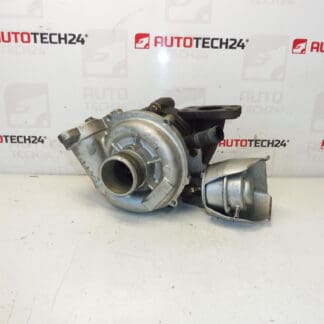
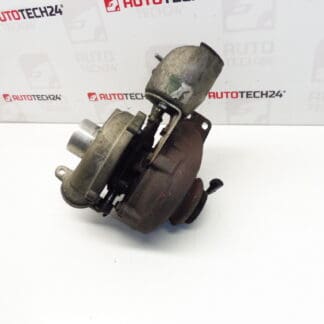
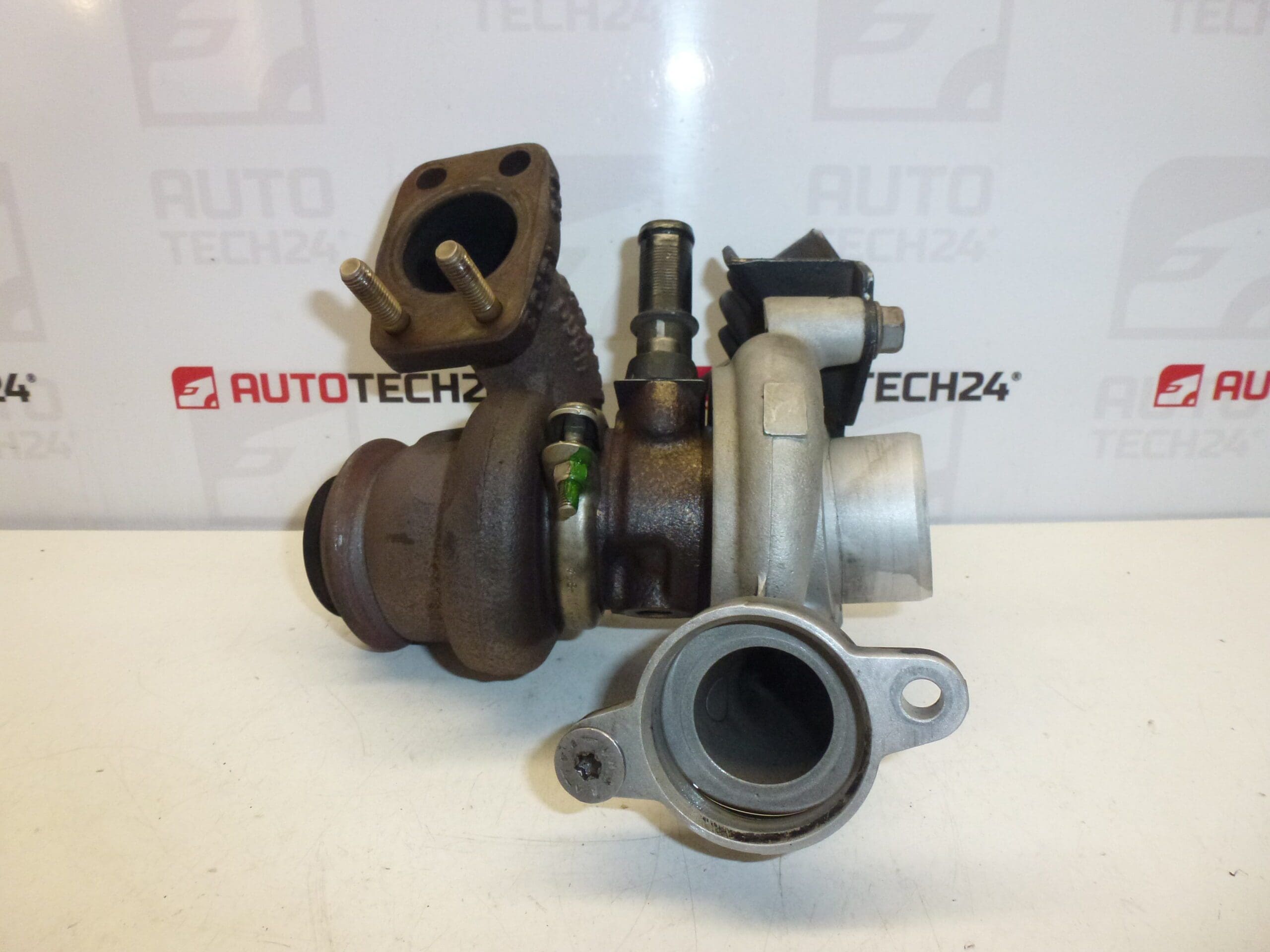
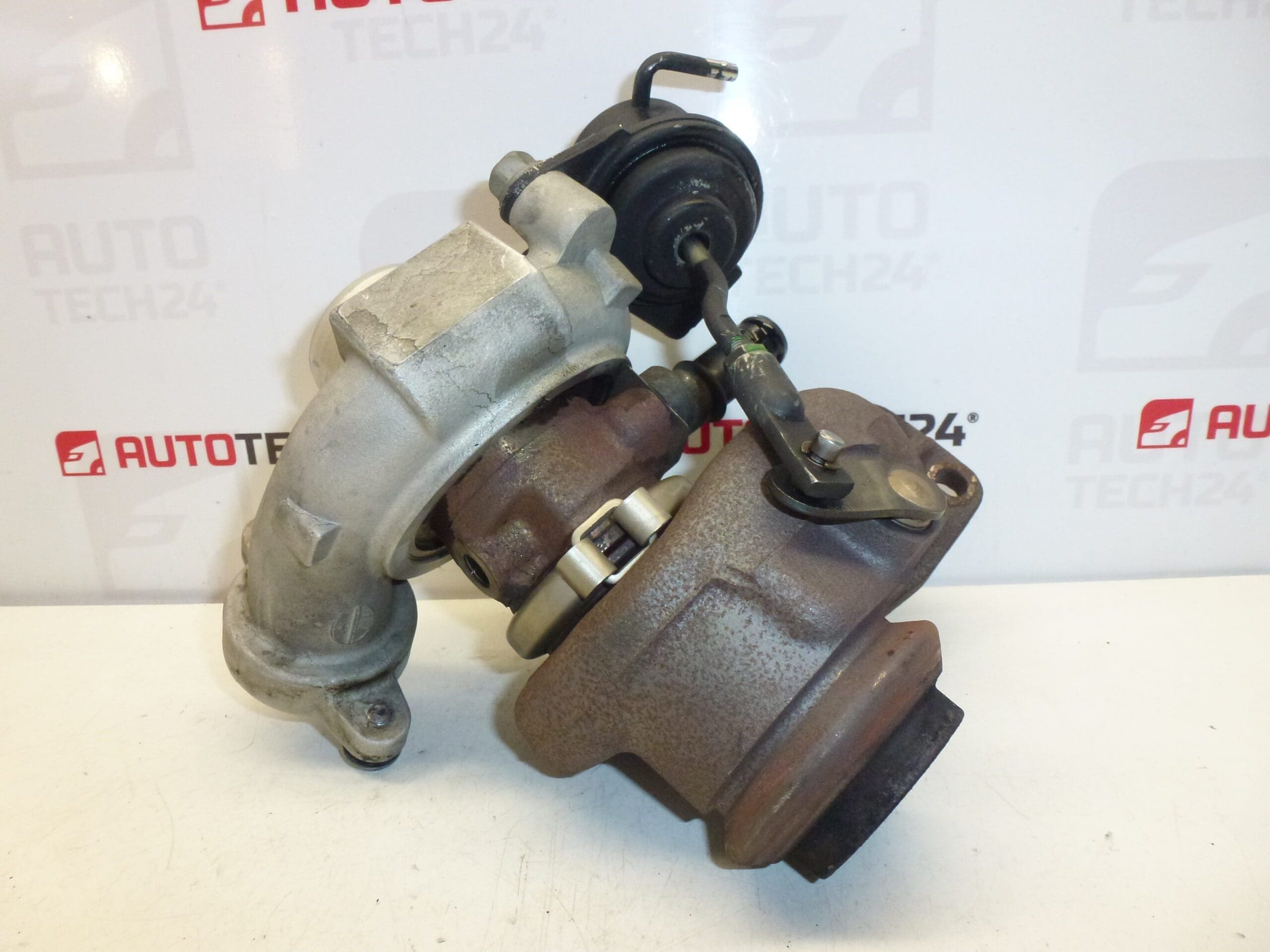
Turbocharger for Citroën and Peugeot 1.6 HDi (55 and 66 kW). Removed from a vehicle with genuine mileage of 83,000 km.
This used turbocharger is suitable for mechanics and DIY enthusiasts looking for a direct replacement unit for 1.6 HDi engines. It restores boost response and drivability on engines originally equipped with this turbo family. The unit is ideal when you experience reduced power, excessive smoke, or unusual turbo noises and you need an exact-fit part often searched by its product number.
Fitment And Applications
Compatible With Various Citroën And Peugeot Models Equipped With The 1.6 HDi Engine. Typical Applications Include:
- Citroën Berlingo
- Citroën C4
- Citroën Xsara Picasso
- Peugeot 307
- Peugeot 308
- Peugeot Partner
Technical Information
- Manufacturer: Stellantis / Citroën / Peugeot
- Model: 1.6 HDi (55 kW / 66 kW)
- Product Codes: 9685293080, 9657530580, 9662371080, 9670371380, 9682881780, 9682881380
- Additional Numbers: 0375J0, 0375N5, 0375Q2, 0375Q3, 0375Q4, 0375Q5, 0375K5, 0375N0
- Removed Mileage: 83,000 km
Typical Signs That The Turbo Needs Replacement
- Noticeable Loss Of Power And Slow Boost Build Up
- Blue Or Black Exhaust Smoke At Acceleration
- Loud Whistling, Grinding Or Rattling From Turbo Area
- Increased Oil Consumption Or Oil Leaks Around Turbo
- Check Engine Light Related To Boost Or Exhaust Pressure
Common Failure Causes
- Poor Oil Supply Or Oil Degradation Leading To Bearing Wear
- Clogged Or Restricted Oil Return Line Causing Oil Starvation
- Contaminated Oil With Debris Causing Shaft Or Wheel Damage
- Ingestion Of Foreign Objects From Intake Or Exhaust Side
- Excessive Exhaust Temperatures Or Frequent Short Trips Preventing Proper Cooling
- Wastegate Or Actuator Faults Causing Overboost And Premature Wear
Installation Recommendations
- Always Replace Gaskets, O Rings And Banjo Bolts During Refit.
- Inspect And Clean Oil Feed And Return Lines; Replace If Restricted Or Damaged.
- Prime Turbo Oil Supply Before First Start By Cranking Engine With Fuel Disabled Or Using An External Oil Prime Method.
- Check Coolant Connections If Turbo Is Water Cooled; Bleed Cooling System After Installation.
- Tighten Fasteners To Manufacturer Torque Values And Use Appropriate Locking Methods Where Specified.
- After Installation, Run Engine At Idle For Several Minutes To Verify Oil Pressure And Check For Leaks; Avoid High Load Until Turbo Is Fully Pressurized.
- Use Recommended Engine Oil Grade And Replace Oil And Filter If Contamination Is Suspected.
- Work On A Cold Engine And Observe Standard Safety Procedures. If Unsure, Have Installation Performed By A Qualified Technician.
Why Replace The Turbocharger
Replacing a worn or damaged turbo restores engine performance, reduces smoke and oil consumption, and prevents further damage to the engine. Addressing root causes such as poor oil maintenance and clogged lines during replacement greatly increases the life of the new unit.
Notes For Purchase
This turbocharger is a used, vehicle removed unit. Part numbers And Additional Numbers Are Provided For Easy Identification. Many customers search by these codes when sourcing exact-fit replacements.