Description
Suspension Damping Control Unit for PEUGEOT 607
Description
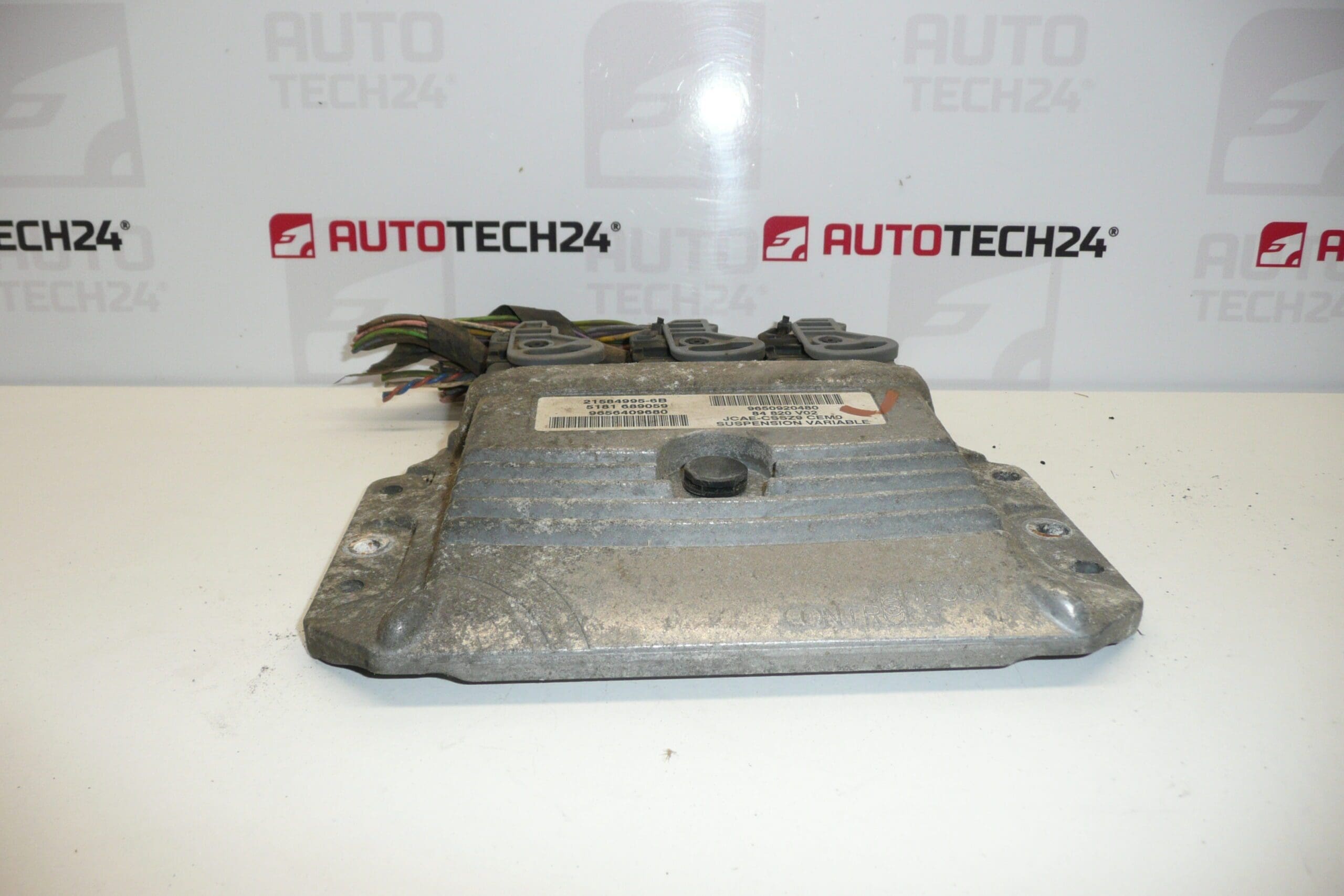
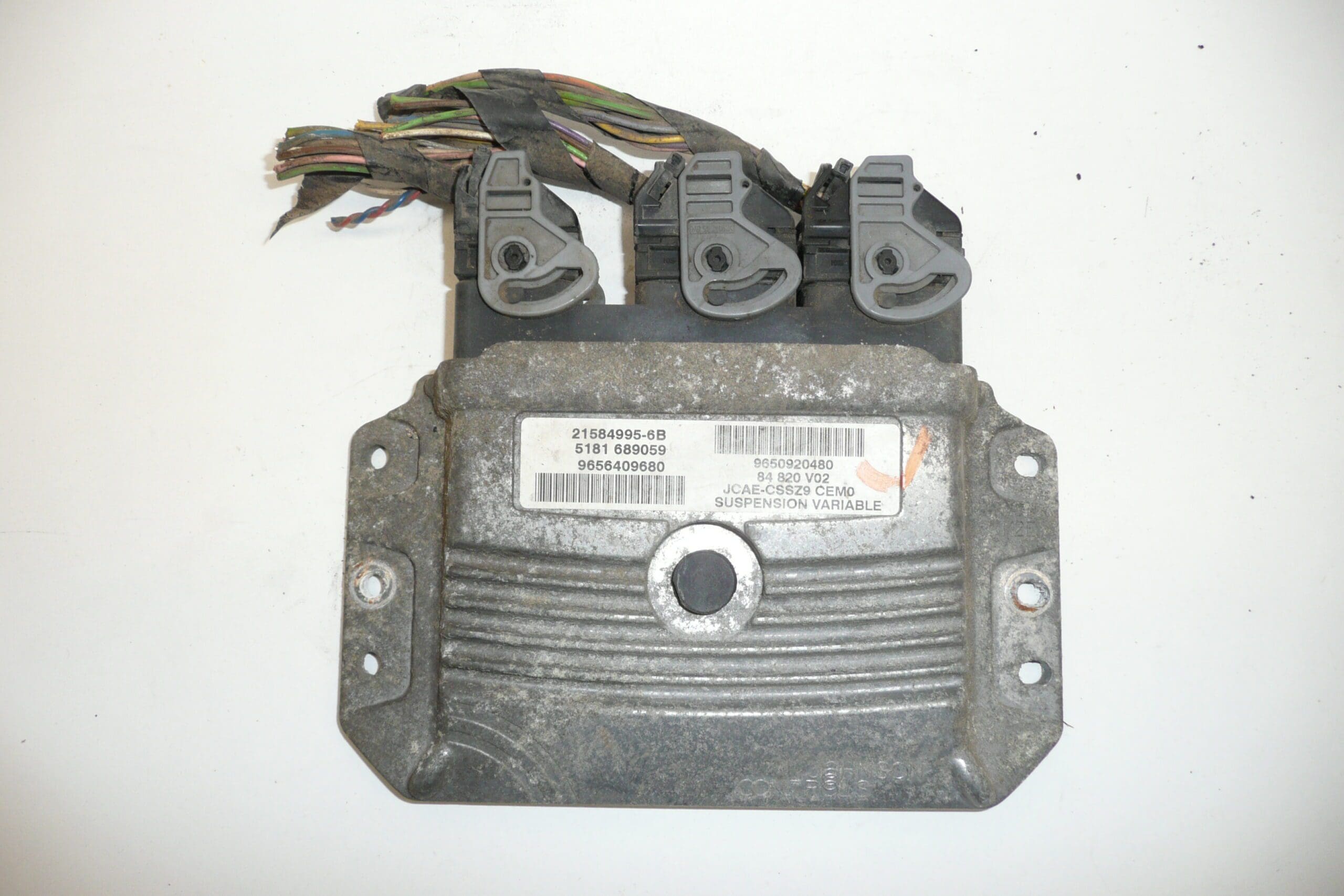
This suspension damping control unit is designed to manage the damping behavior of vehicles equipped with electronic or adaptive suspension systems. It processes input from suspension sensors and vehicle networks to command valves or actuators that adjust damper firmness, improving ride comfort and vehicle stability. The unit is commonly fitted on Peugeot 607 models that have factory-installed electronic damping.
Technical Information
- Manufacturer: Stellantis (Citroën/Peugeot)
- Model: Peugeot 607
- Product Codes: 9656409680
- Other Numbers: 9650920480, 5273A1
Compatibility
Fits Peugeot 607 vehicles equipped with electronic/adaptive damping systems. Verify that your vehicle is fitted with an electronic suspension system before ordering. The unit is referenced under the part numbers listed above and is typically searched for by those OEM codes.
Fitment & Replacement
Replacement should be performed by an experienced technician or an informed DIY mechanic. Basic replacement steps:
- Disconnect the vehicle battery before starting to avoid electrical damage.
- Locate the control unit (position varies by submodel — commonly mounted in the engine bay or near the suspension control modules).
- Remove any protective covers, unplug multi-pin connectors and unbolt the unit from its bracket.
- Install the new unit, ensuring connectors seat fully and sealing gaskets are intact. Refit covers and fasteners to the correct torque.
- After installation, read and clear fault codes, verify live data and perform any required adaptations or calibrations for ride-height/suspension sensors using appropriate diagnostic equipment.
Common Faults & Typical Lifespan
Failures usually occur due to environmental and age-related factors. Typical symptoms include persistent suspension fault codes, uneven ride height, loss of adaptive damping functions or a permanently stiff/soft ride. Lifespan varies with use and environment but failures are more common after many years in service, especially in regions with heavy road salt or frequent water exposure.
Installation Recommendations
- Always disconnect the battery before removal or installation to prevent voltage spikes and module damage.
- Inspect connectors and wiring for corrosion, bent pins or water ingress; repair wiring harnesses or replace connectors as needed.
- Use dielectric grease on electrical terminals where appropriate to reduce moisture-related failures.
- After fitment, use a diagnostic tool to clear historical faults, check sensor inputs and perform any necessary calibrations or adaptations.
- If unsure about coding or adaptation procedures, have the final commissioning performed with appropriate PSA diagnostic equipment.
Why This Part Most Often Fails
- Water ingress and corrosion of connectors or internal circuit boards.
- Electrical surges or poor battery/charging system condition causing component stress.
- Mechanical damage from impacts or road debris where units are mounted in exposed locations.
- Aging of internal electronic components such as capacitors, leading to intermittent or permanent faults.
- Contaminated or degraded seals allowing moisture and dirt to enter the enclosure.
Note For Mechanics And DIYers
Searchability is improved by using the OEM part numbers (9656409680, 9650920480, 5273A1) when sourcing replacements. Proper electrical checks and correct commissioning after installation ensure reliable operation and prevent repeat failures.