Description
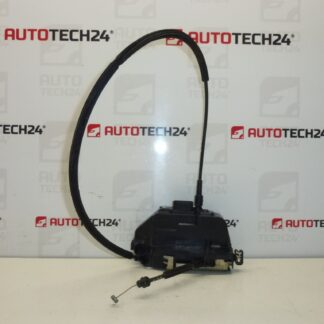
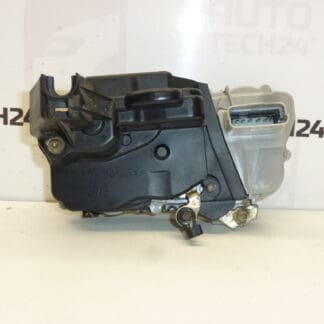
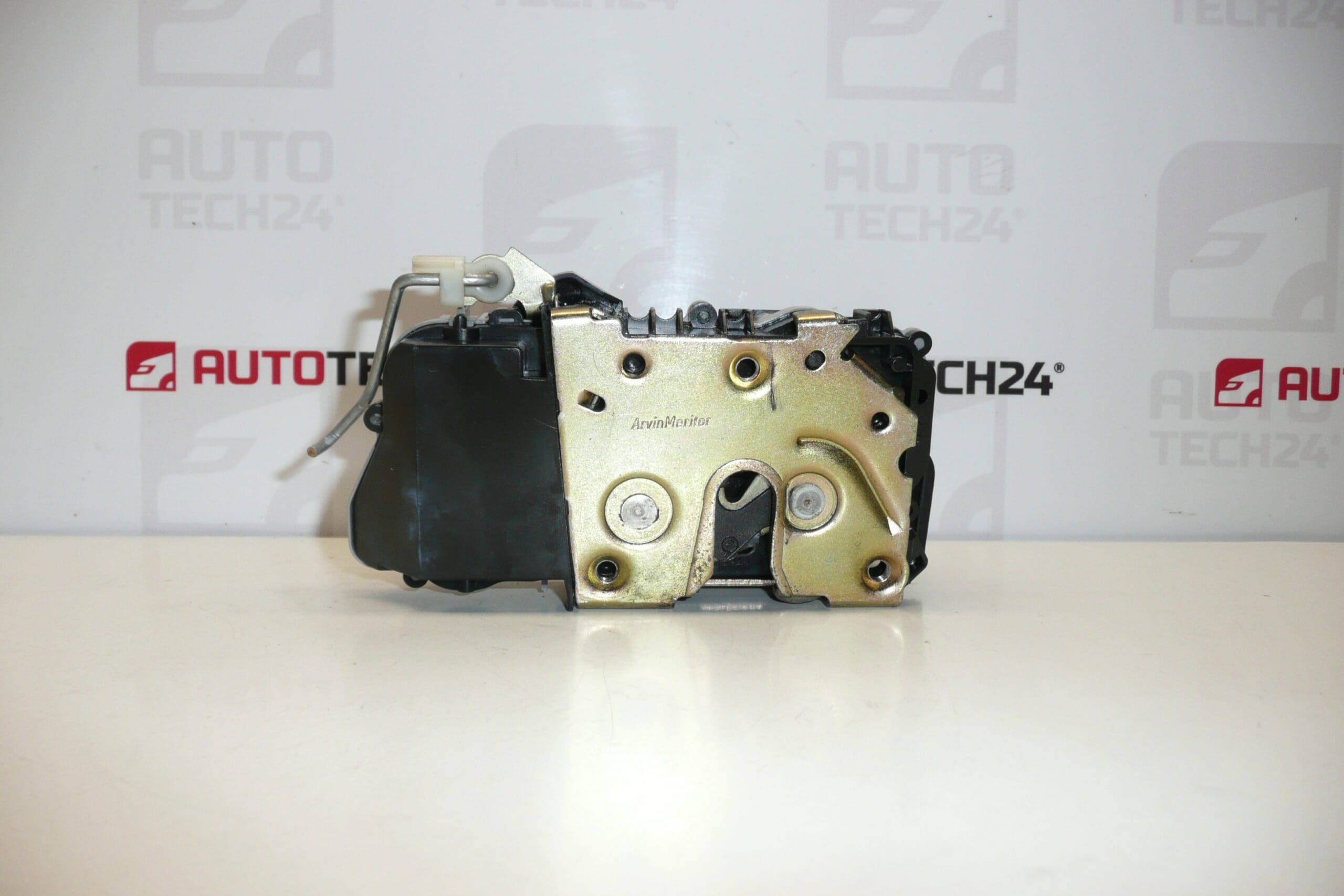
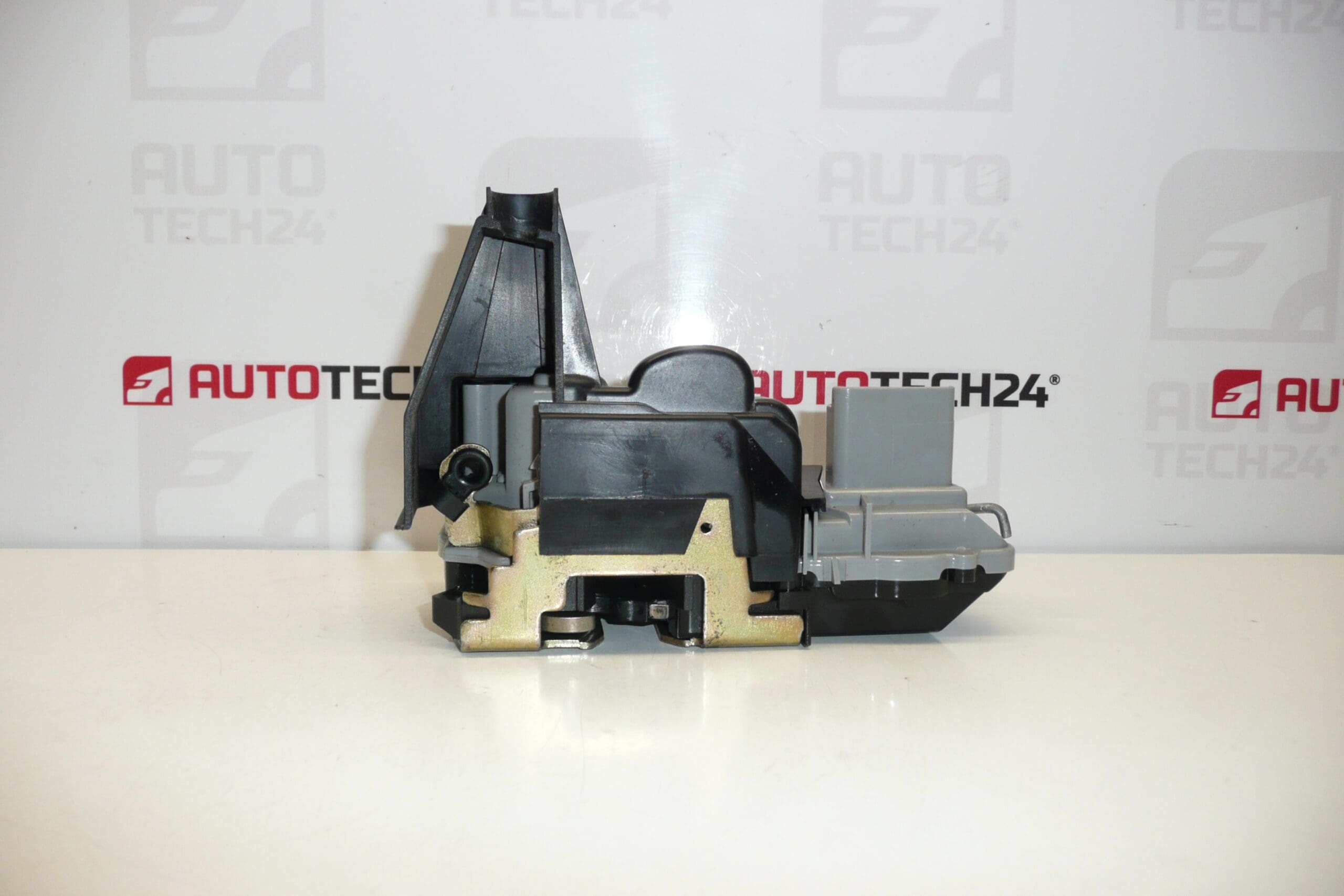
Electric central locking actuator for the right front door of Peugeot 307. Front passenger side.
Overview
High-quality electric door lock actuator designed for the right front (passenger) door of the Peugeot 307. This replacement part restores reliable central locking operation, responding to remote locking/unlocking and the vehicle’s central locking commands. Popular search terms include Peugeot 307 door lock actuator, right front door lock, and part numbers 9136P1 / 9136AA, which makes it easy for mechanics and DIY enthusiasts to find the correct item quickly.
Technical Information
- Manufacturer: Stellantis / Peugeot
- Model: Peugeot 307 (Front Passenger Side)
- Product Codes: 9136P1, 9136AA
- Other Numbers: OEM References 9136P1 / 9136AA
Function
The actuator is an electromechanical unit that operates the door latch as part of the central locking system. When a lock/unlock signal is received, the actuator converts electrical energy into mechanical movement to move the latch or locking rod. It integrates with the door latch assembly and the vehicle wiring harness to provide secure locking and unlocking via remote, key, or interior switch.
Common Faults And Causes
- Water Ingress And Corrosion: Moisture entering the actuator leads to electrical faults or seized gears.
- Worn Motor Or Gears: Repeated use and age wear down the small motor and plastic gears, causing intermittent or complete failure.
- Broken Linkage Or Clips: Mechanical linkages and retaining clips can break, preventing the latch from moving.
- Electrical Connector Issues: Corroded or loose connectors and wiring faults cause loss of power or intermittent operation.
Replacement Procedure
- Prepare: Park vehicle with ignition off and apply parking brake. Disconnect the battery before starting work to prevent short circuits.
- Remove Door Trim: Carefully remove interior door trim and any clips or screws. Keep fasteners organized for reassembly.
- Access Actuator: Peel back the vapour/moisture barrier and locate the latch/actuator assembly inside the door.
- Disconnect Electrical Connector: Unplug the actuator electrical connector and any attached linkages.
- Remove Fasteners: Unscrew the bolts or screws securing the actuator/latch assembly and remove the unit from the door.
- Install New Actuator: Fit the replacement actuator in the same position, secure fasteners, reconnect linkages and the electrical connector. Ensure rods are correctly seated in clips.
- Test Operation: Reconnect the battery and test locking/unlocking from the remote, interior switch, and key before reassembling the door trim.
- Reassemble Door: Replace the moisture barrier and reinstall door trim, ensuring all clips and screws are refitted.
Installation Recommendations
- Always Disconnect Battery: Isolate the battery before removal and fitting to avoid short circuits and potential damage.
- Use Proper Tools: Trim tools prevent damage to door panels; torx or hex bits may be required for fasteners.
- Check And Replace Clips: Replace any brittle or broken linkage clips and fasteners to ensure secure operation.
- Protect Electrical Connections: Apply a light coat of dielectric grease to connectors to limit corrosion and improve longevity.
- Test Before Final Assembly: Verify correct mechanical movement and electrical operation of the new actuator before refitting the door panel.
Why This Part Most Commonly Fails
Failure usually stems from environmental exposure and mechanical wear. Moisture and dirt entering the door cavity can corrode electrical contacts and seize plastic gears. Frequent locking/unlocking cycles accelerate wear on the small motor and gearbox. Impact damage to the door or forceful operation can break linkages or clips, resulting in a non-responsive latch. Addressing water ingress and ensuring proper sealing during reassembly significantly extends service life.
Search And Compatibility Tips
This actuator is commonly searched by product codes 9136P1 and 9136AA. It is intended for the right front (passenger) door of Peugeot 307. When searching, include terms like “Peugeot 307 door lock actuator”, “right front door lock 9136P1”, or “9136AA actuator” to find matching parts and installation guides.