Description
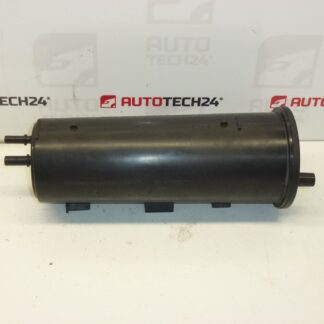
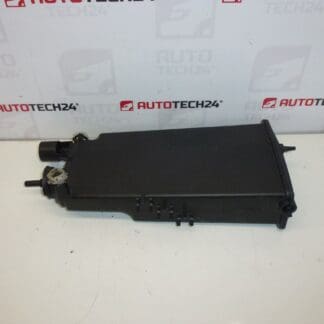
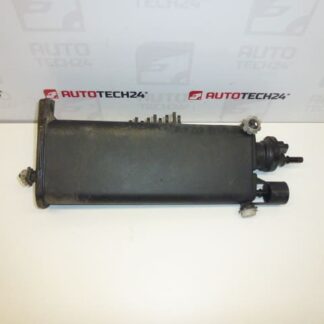
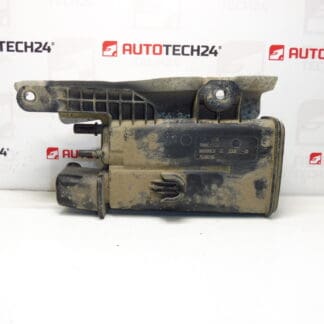
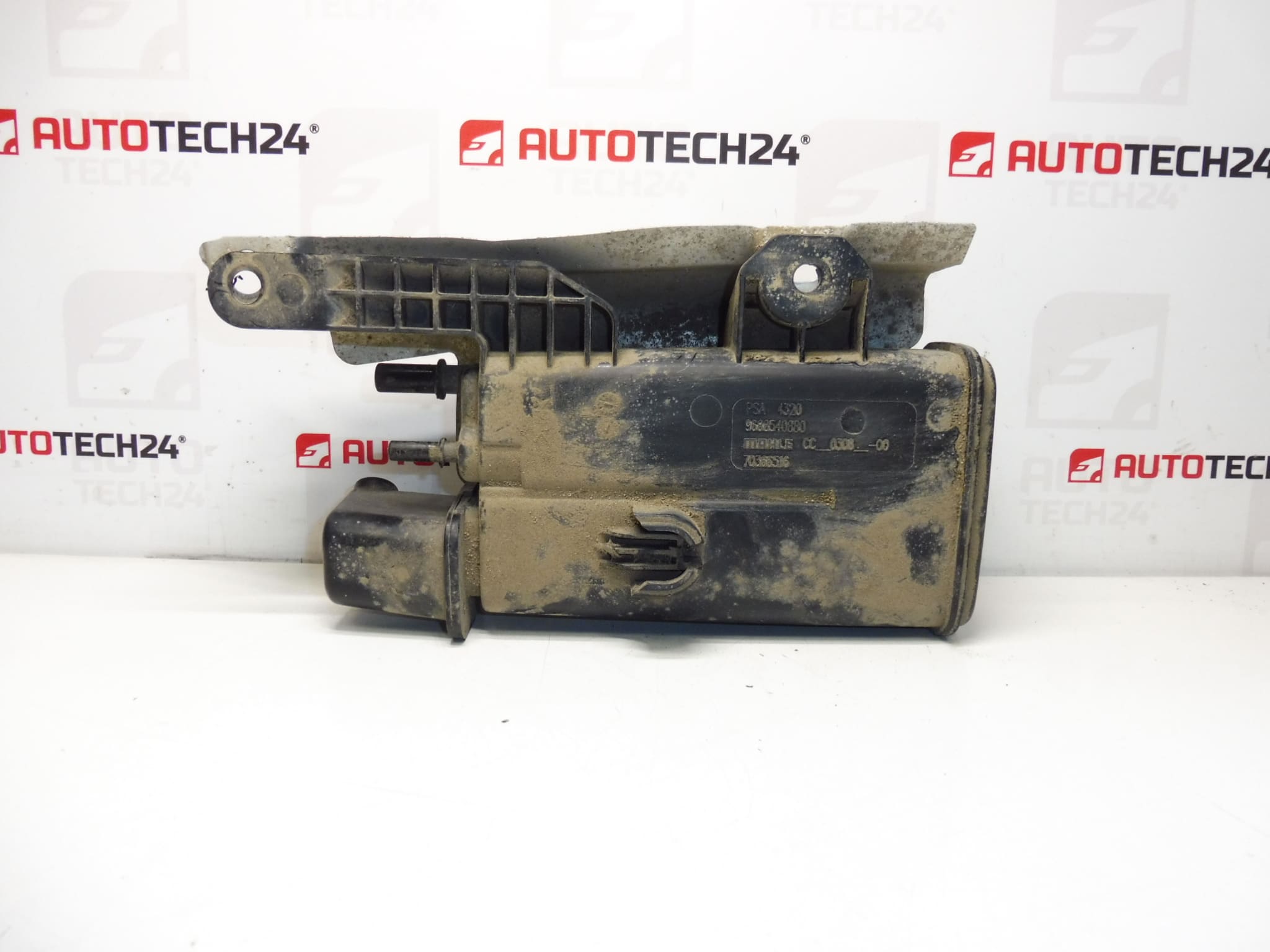
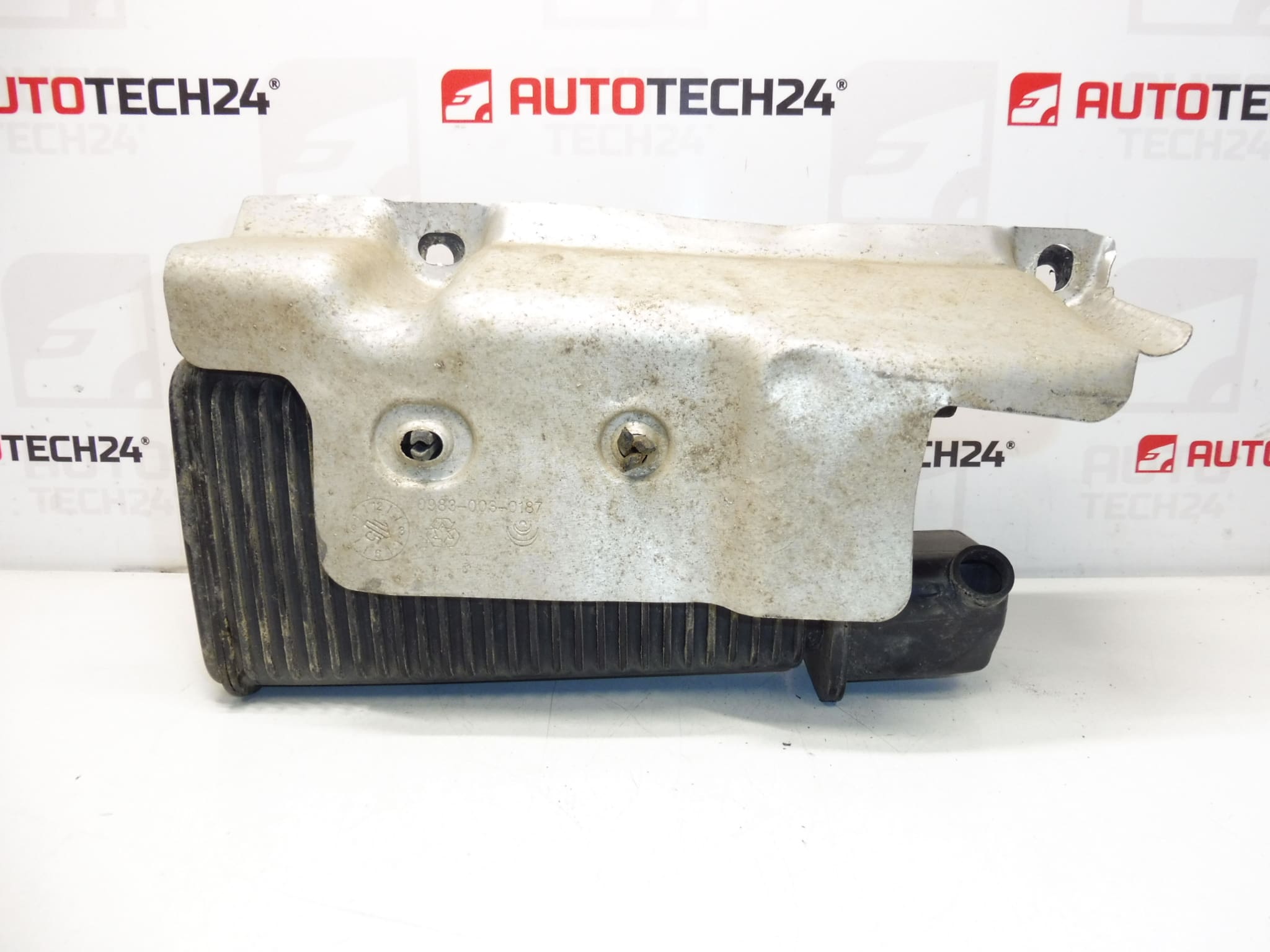
Fuel vapor canister for PEUGEOT and CITROËN vehicles.
This Activated Charcoal Filter (Evap Canister) is designed for Stellantis PEUGEOT and CITROËN models and carries common OEM references used in parts searches: 9688540880, 1502L2, 1502K0. Built to capture and temporarily store fuel vapors from the tank, the canister prevents hydrocarbon emissions from escaping to atmosphere and works together with the purge valve and engine management to route vapors back to the intake for combustion. Ideal for professional workshops and experienced DIY mechanics looking for a direct-fit replacement part. Typical fitment includes Citroën C4 II, DS4 and Peugeot 308 (see product codes below when selecting the correct version).
Technical Information
- Manufacturer: Stellantis / OE For Citroën & Peugeot
- Model: Evaporative Emissions Canister / Activated Charcoal Filter
- Product Codes: 9688540880, 1502L2, 1502K0
- Other Numbers: Commonly Cross-Referenced Under The Above OEM References
Function And Benefits
The canister captures petrol vapors from the fuel tank and stores them on activated charcoal until the engine requests purge. Proper operation reduces evaporative emissions, improves fuel system integrity and prevents strong fuel odors in the cabin or around the vehicle. Replacing a failed canister restores correct evap system behavior and eliminates related fault codes and drivability issues.
Symptoms Of A Faulty Canister
- Check Engine Light with Evap Codes (for example P0440, P0441, P0455)
- Strong Fuel Smell Around The Vehicle Or Near The Fuel Tank
- Failed Emissions Test Or Persistent Evap Leak Indications
- Visible Damage, Saturation With Fuel Or Crushed/Blocked Hoses
Most Common Failure Causes
Canisters usually fail due to charcoal saturation from liquid fuel intrusion, internal clogging, physical damage from road debris or corrosion of mounting points. Cracked or collapsed vent and purge hoses, or a sticking purge valve, often lead to symptoms and should be inspected at the same time. Long-term exposure to contaminants and repeated fuel overfills accelerate degradation.
Replacement Procedure
Suitable for experienced technicians and competent DIY mechanics. Typical replacement steps:
- Raise The Vehicle Safely And Support On Stands To Access The Canister (Often Mounted Near The Fuel Tank Or Underbody).
- Remove Any Undertray Or Shielding That Obstructs Access.
- Label And Disconnect Vent And Purge Hoses (Note Routing And Orientation).
- Disconnect Electrical Connector For Purge Valve If Integrated Or Inline.
- Unbolt The Canister Mounting Bracket And Remove The Old Unit.
- Install The New Canister, Refit Hoses And Connectors Using New Clamps/Clips If Needed.
- Clear Any Stored Fault Codes And Perform A Functional Test (Drive Cycle Or Smoke Test For Evap Integrity).
Installation Recommendations
- Always Inspect And Replace Damaged Hoses, Clamps And The Purge Valve When Replacing The Canister.
- Ensure Correct Hose Orientation And Tight, Leak-Free Connections.
- Use New Fasteners Or Clips If Original Hardware Is Corroded Or Damaged.
- After Installation, Clear Codes And Run A Full Evap System Test (Smoke Test Or Diagnostic Check) To Confirm Repair.
- Follow Standard Safety Procedures When Working Under The Vehicle; Use Proper Lifting Equipment And Personal Protective Equipment.
Why Mechanics Search By Part Number
This canister is frequently looked up by its OEM references (9688540880, 1502L2, 1502K0). When ordering replacement parts for Citroën C4 II, DS4 or Peugeot 308, matching these codes helps ensure correct fitment and avoids mis-purchases—especially important for evaporative system components where connections and valve locations vary between model variants.
Notes For Diagnostics
When diagnosing evap faults, check hoses and connections first, then the purge valve and canister condition. Fuel smell and evap codes are often the first indicators. Replacing the canister without addressing collapsed hoses or a faulty purge valve may not resolve the fault.