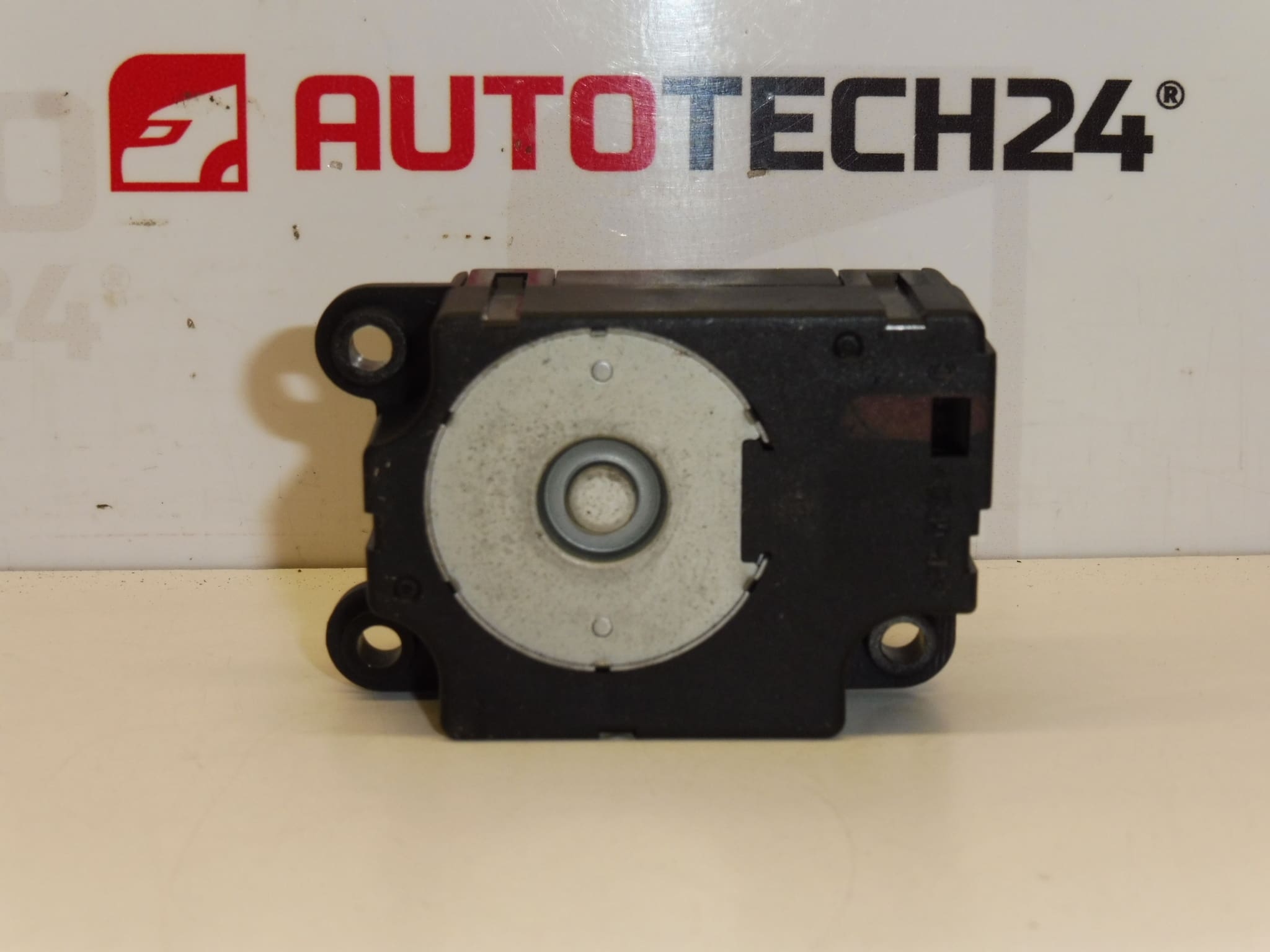
Description
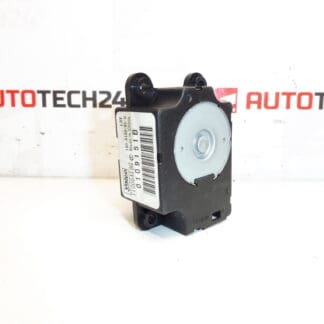
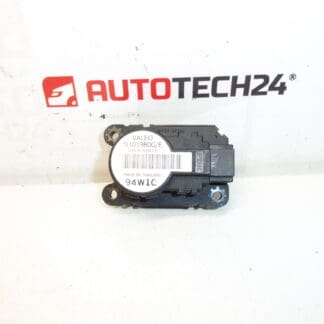
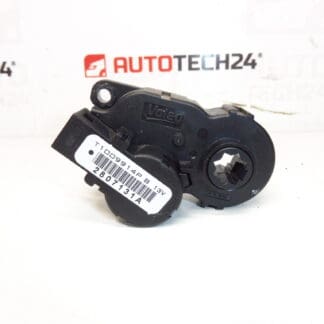
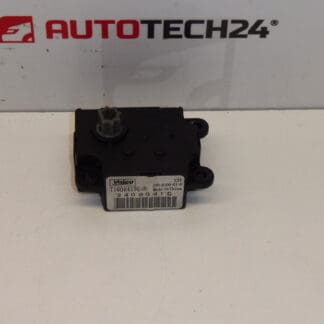
Servo heater motor for Citroën and Peugeot vehicles
Climate control gearmotor
From Peugeot 308 2010
Description
High-quality Valeo heater servo motor (blend/air flap actuator) designed for Citroën and Peugeot climate systems. This electric servomotor controls ventilation flaps in the HVAC unit to regulate air distribution and temperature inside the passenger compartment. It is a direct replacement for the original unit fitted to Peugeot 308 models from 2010 and is commonly used across related Stellantis platforms.
Why Choose This Part
Designed for professional workshops and experienced DIY mechanics, this servo offers reliable restoration of HVAC functionality: smooth temperature transitions, correct air routing, and elimination of typical clicking or stuck-flap symptoms. Using a correct-fit replacement restores comfort and prevents uneven heating or cooling that can lead to demisting issues and customer complaints.
Technical Information
Manufacturer: Valeo
Model: Peugeot 308 (originally fitted), commonly used on Citroën/Peugeot HVAC modules including C2, C3, C4 II and similar Stellantis models
Product Codes: T1006419G, 2408091C
Additional Numbers: 6447NL
Function And Typical Symptoms
The servo motor drives the internal HVAC flaps (blend, mode or recirculation depending on application) via a small 12V DC motor with a reduction gearbox. Common symptoms of a failing unit include persistent clicking noises from the dash, inability to change temperature or airflow direction, constant blower behavior despite knob/input change, or complete loss of flap movement. These symptoms typically become more noticeable after cold starts or in high-humidity environments.
Why The Part Fails
Failure is most often caused by worn plastic gears inside the motor gearbox, motor brush wear, water ingress or corrosion, and accumulation of dust/foam debris from the HVAC housing. Age and frequent movement—especially in climates with large temperature swings—accelerate wear. Electrical connector corrosion or broken mounting tabs can also cause intermittent or permanent faults.
Installation Recommendations
Before starting any work, always disconnect the vehicle battery to reduce the risk of short circuits and to protect vehicle electronics. Access typically requires removal of the glovebox or lower dash trim to reach the HVAC housing. Steps generally include:
- Disconnect the battery.
- Remove glovebox or lower dash panels as required to expose the HVAC unit.
- Unplug the electrical connector and remove the mounting screws/clips.
- Carefully extract the old actuator, avoiding damage to surrounding ducts and sensor cables.
- Fit the new servo in the same position, ensure gear engagement and correct orientation, then secure fasteners and reconnect the harness.
- Reconnect the battery and perform a function test: cycle HVAC modes and temperature to confirm correct movement and absence of abnormal noises.
Align the actuator gears before full installation and test the mechanism with the dash panels temporarily left off. If the vehicle requires calibration, perform the manufacturer-recommended HVAC reset or run the HVAC system through its automatic relearn procedure (consult vehicle service manual for exact steps).
Most Common Repair Tips
Replace the actuator promptly when symptoms appear to avoid secondary damage to HVAC linkages. Inspect surrounding foam seals and ducts for debris and replace any brittle or degraded components. If you encounter electrical connector corrosion, clean or replace the connector to ensure reliable power and signal to the motor.
Compatibility Notes
Listed product codes are the primary references for matching this servo motor. Compatibility is typically confirmed by matching the part numbers on the old unit. This servo is commonly associated with Peugeot 308 (2010) and related Citroën/Peugeot models in the same platform family.