Description
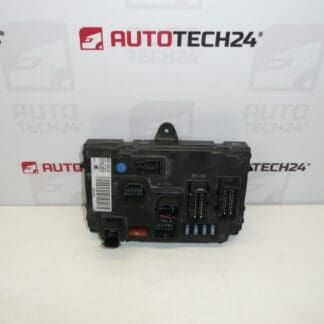
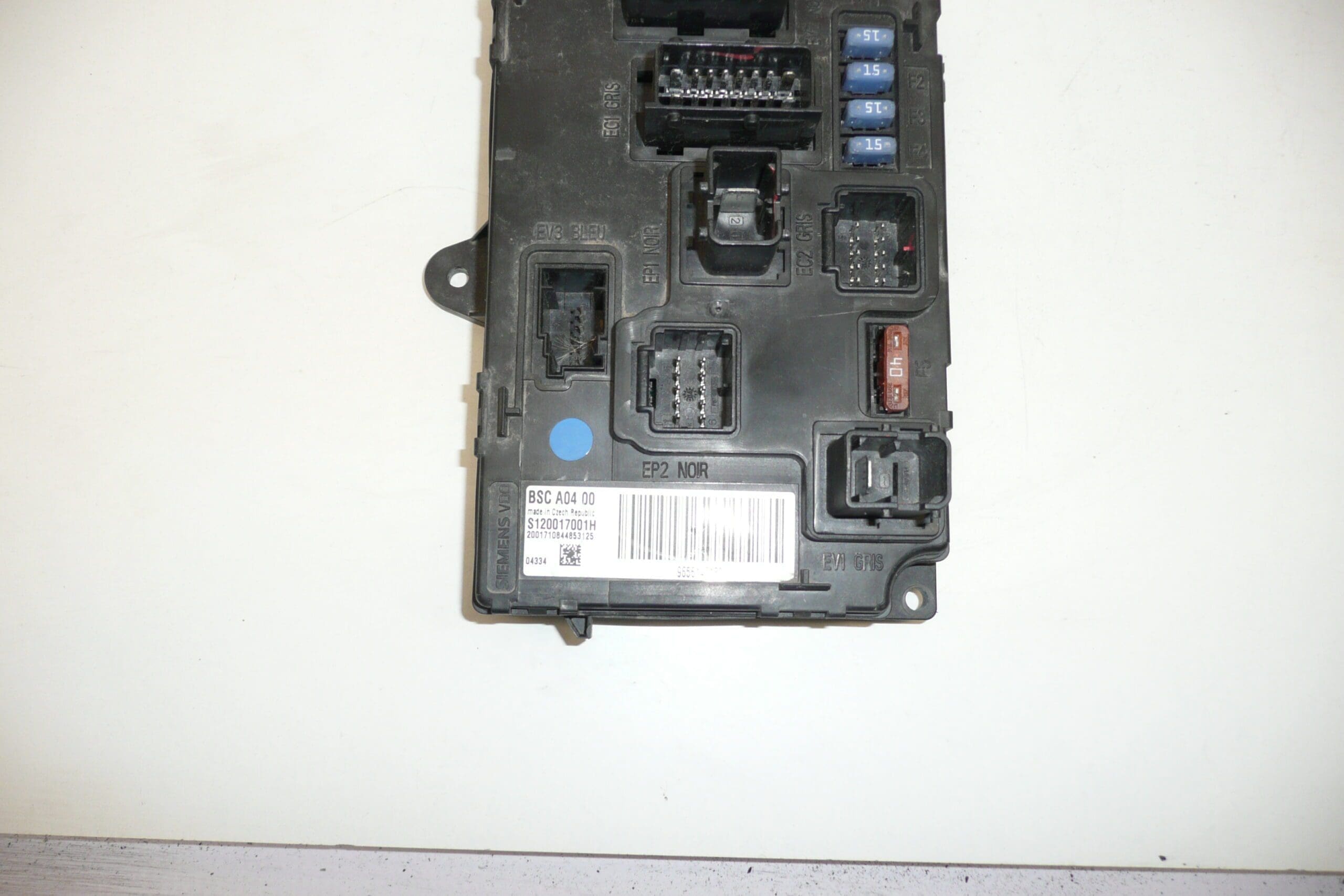
BSC A04-00 SIEMENS VDO for Citroën and Peugeot vehicles. It is from a Peugeot 407.
This BSC A04-00 Siemens VDO Body System Control module is a direct-fit electrical control unit used on selected Citroën and Peugeot models, notably the Peugeot 407. Supplied with known part references to simplify search and ordering, this unit controls multiple comfort and convenience functions and is often sought by professional mechanics and DIY enthusiasts by its product code (e.g. 9656148180).
Technical Information
- Manufacturer: Siemens VDO
- Model: BSC A04-00
- Product Codes: 9656148180, S120017001H
- Additional Numbers: 6580S9, 6580XF
Compatibility
Designed for use on Citroën and Peugeot vehicles. This specific unit originates from a Peugeot 407; it may fit other models that share the same body control architecture. Always compare product codes when searching: the module is frequently listed under the part numbers shown above.
What The Unit Does
The BSC (Body System Control) module manages numerous comfort and body-related electrical functions such as central locking, interior and exterior lighting controls, intermittent wiper functions, alarm and immobiliser interfaces, door and boot locking logic, and other convenience features. As a central node in the vehicle electrical system, it receives sensor inputs and operates actuators across multiple circuits.
Common Failure Causes
- Water ingress or moisture damage (corrosion of connectors or PCB traces).
- Electrical surges or short circuits causing component failure.
- Connector corrosion or broken pins resulting in intermittent faults.
- Mechanical damage from impacts or poor removal/installation practice.
- Age-related solder joint fatigue on internal components.
Typical Symptoms
Symptoms of a failing BSC include central locking failures, erratic lighting behavior, non-functional interior electronics (wipers, lights, switches), blown fuses related to comfort circuits, or warning messages on the dashboard. Failures can be intermittent, making diagnosis dependent on both visual inspection and live electrical testing.
Replacement And Installation
Replacement is a moderately advanced job suitable for experienced DIYers and professional technicians. Typical steps:
- Disconnect the negative battery terminal before any work to avoid short circuits and to protect the unit.
- Locate the module—commonly behind the glovebox, under the dashboard or behind trim panels depending on model.
- Remove the trim panels and unscrew the unit from its bracket, taking care not to damage wiring harnesses.
- Unplug connectors carefully, inspect pins and seals for corrosion or damage.
- Fit the replacement unit, reconnect connectors and reassemble trim.
- Perform required programming/coding and system checks (see notes below).
Estimated workshop time: 0.5–2 hours depending on access and required coding.
Installation Recommendations
- Always disconnect the battery before removing the module.
- Inspect connectors and harnesses for corrosion or damage; replace damaged seals or terminals.
- Protect the module from moisture and avoid using excessive force on connector locks.
- After installation, run a full functional check of central locking, lighting, wipers and other comfort functions to confirm correct operation.
- If coding is required, use appropriate PSA diagnostic tools or have the procedure performed by a qualified technician.
Mounting And Coding – Important
- The unit is used and is paired with the original vehicle (VIN/PIN/keys).
- Options for commissioning:
- Cloning data from the old unit (EEPROM/Flash) – after cloning the unit is plug and play.
- Virginization and subsequent initialization/telecoding via DiagBox (or online) + key adaptation.
- Recommended to be performed by a specialist with PSA service equipment (DiagBox/Lexia/PP2000).
- Always disconnect the battery before disassembly/assembly and follow the manufacturer’s procedure to avoid damaging the unit.
Why This Part Is Often Replaced
Body control units are central to many daily vehicle functions and are exposed to wiring harness issues and environmental risks. Moisture ingress, electrical faults or accidents affecting the wiring can render the module faulty. Because a single failed control unit can disable multiple convenience and security systems, replacement is a common and necessary repair to restore full vehicle functionality.
Search Tips
Mechanics and DIYers commonly search using part numbers—enter one of the product codes listed above (e.g. 9656148180 or S120017001H) to quickly locate matching units and cross-references for Citroën and Peugeot applications.