Description
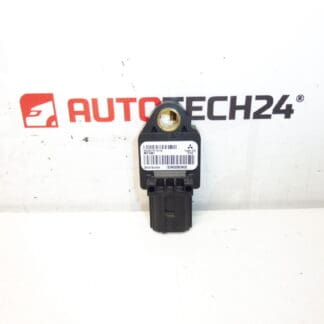
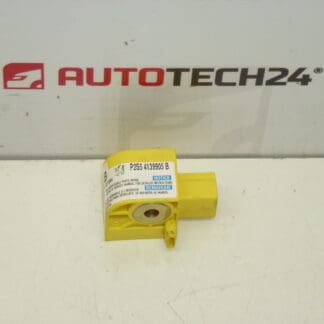
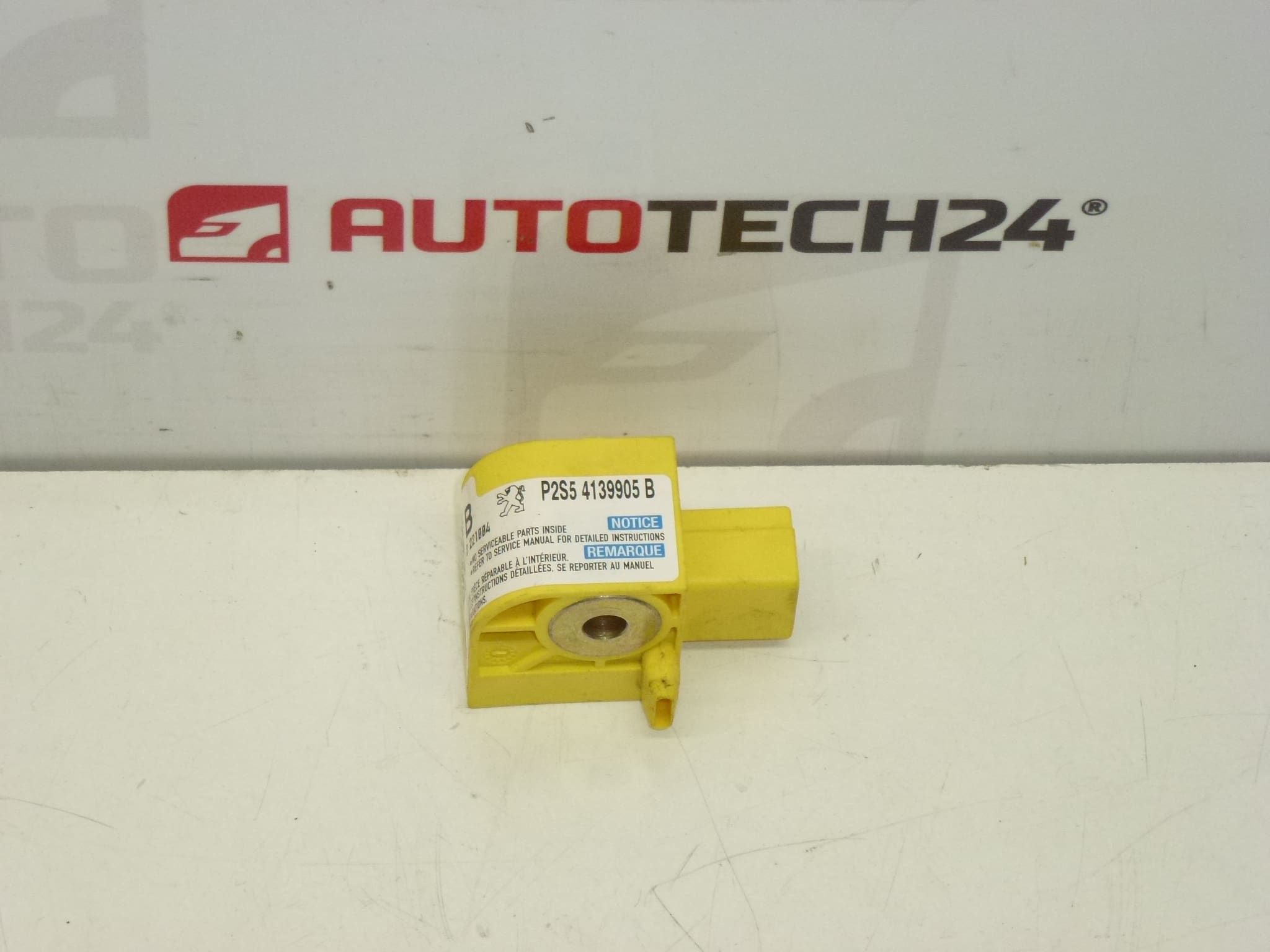
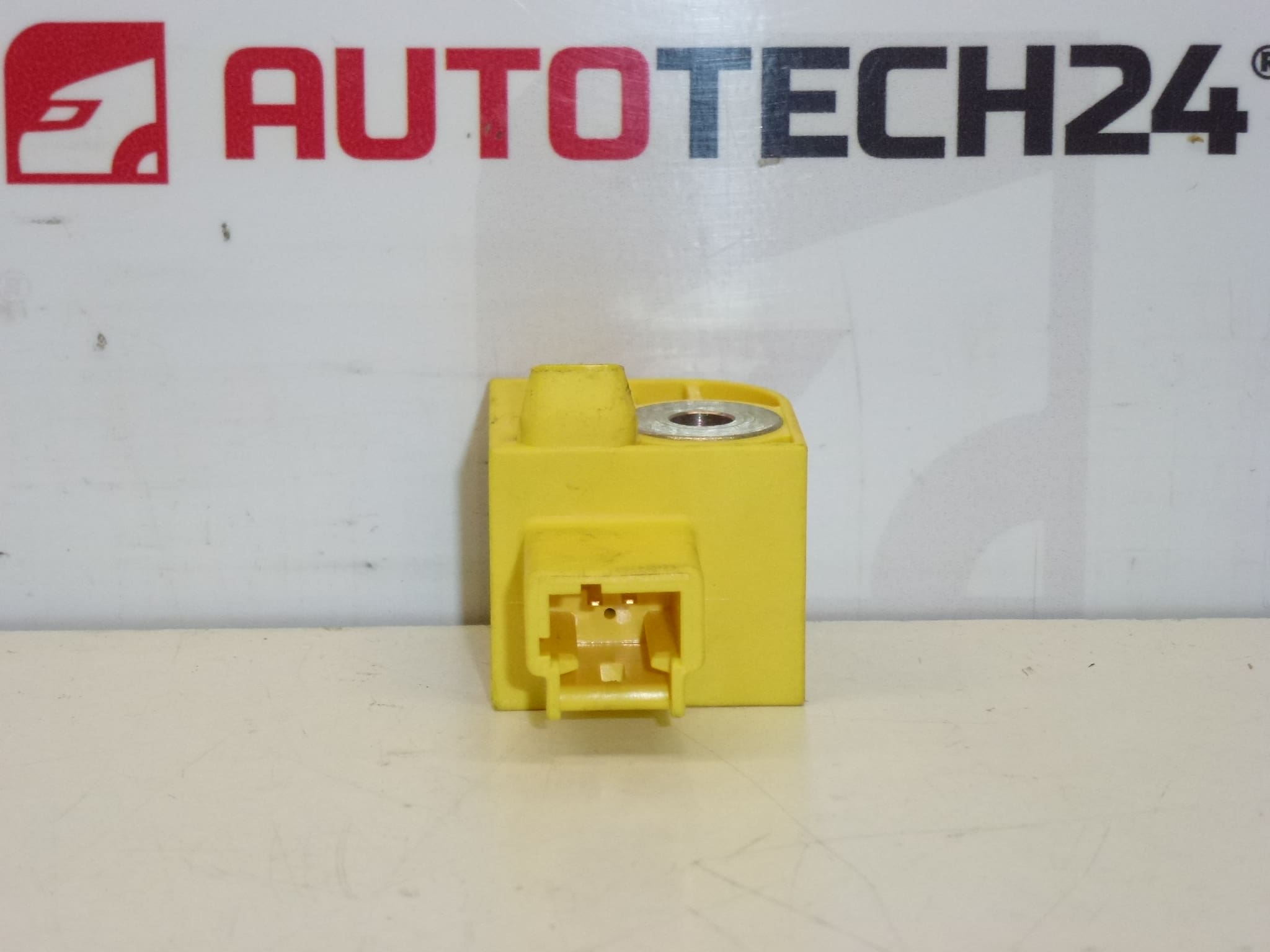
Siemens Acceleration Sensor For Peugeot 307 First Generation.
High-quality Siemens acceleration sensor designed for Peugeot 307 first generation. Ideal for professional workshops and DIY mechanics who search by part number: 9649474680, 5WK42989 or 8216AL. This sensor monitors vehicle acceleration and deceleration signals used by electronic safety and control systems. Direct-fit replacement for affected models, helping restore proper system response and clear related fault codes.
Technical Information
- Manufacturer: Siemens / Stellantis Applications
- Model: Peugeot 307 First Generation
- Product Codes: 9649474680, 5WK42989, 8216AL
- Other Numbers: NFP (as listed)
Application And Function
The acceleration sensor measures longitudinal and/or lateral acceleration and provides critical input to vehicle safety and stability systems. Signals from this sensor can influence stability control, emergency braking logic and airbag deployment algorithms depending on the vehicle configuration. On Peugeot 307 vehicles it is a key element for correct detection of dynamic events and for preventing false warnings or degraded system performance.
Replacement And Installation
Replacement is straightforward for experienced technicians. General steps:
- Disconnect The Battery And Wait A Few Minutes Before Starting Work.
- Locate The Sensor According To Vehicle Repair Manual (Position Varies By Model And Trim).
- Disconnect The Electrical Connector And Remove Fasteners Holding The Sensor.
- Fit The New Sensor In The Same Orientation, Secure Fasteners And Reconnect The Connector.
- Reconnect The Battery, Clear Related Fault Codes With A Diagnostic Tool And Perform Any Required Calibration Or Initialization.
Required Tools: Basic hand tools (sockets/torx), trim tools if needed, and a diagnostic tool capable of reading/clearing fault codes and performing sensor calibration. Always follow the vehicle manufacturer’s torque and safety procedures.
Most Common Cause Of Failure
- Corrosion Or Water Ingress Affecting The Connector Or Sensor Electronics.
- Mechanical Shock Or Impact From An Accident Leading To Internal Damage.
- Electrical Issues Such As Short Circuits Or Voltage Spikes Causing Sensor Malfunction.
- Aging And Wear Of Internal Components Resulting In Drift Or Intermittent Signals.
Notes For Ordering
Customers often search by part number. Verify that the part codes 9649474680, 5WK42989 or 8216AL match the number printed on your existing sensor to ensure fitment. This listing corresponds to the Siemens acceleration sensor used on Peugeot 307 first generation models.