Description
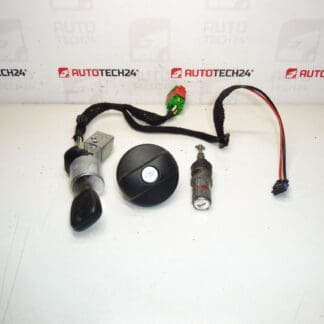
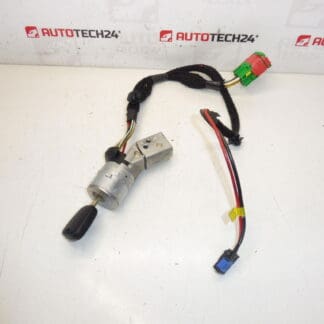
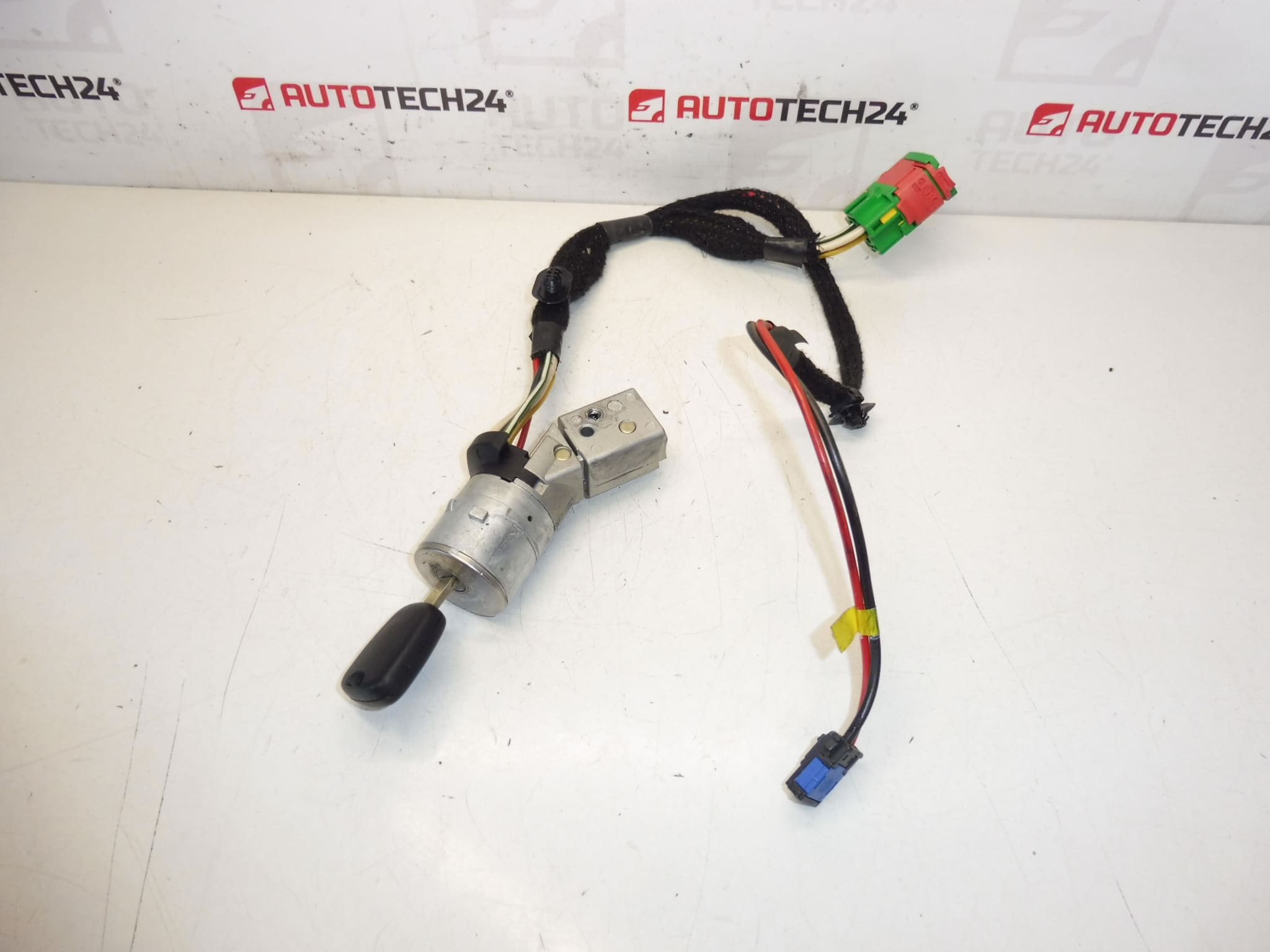
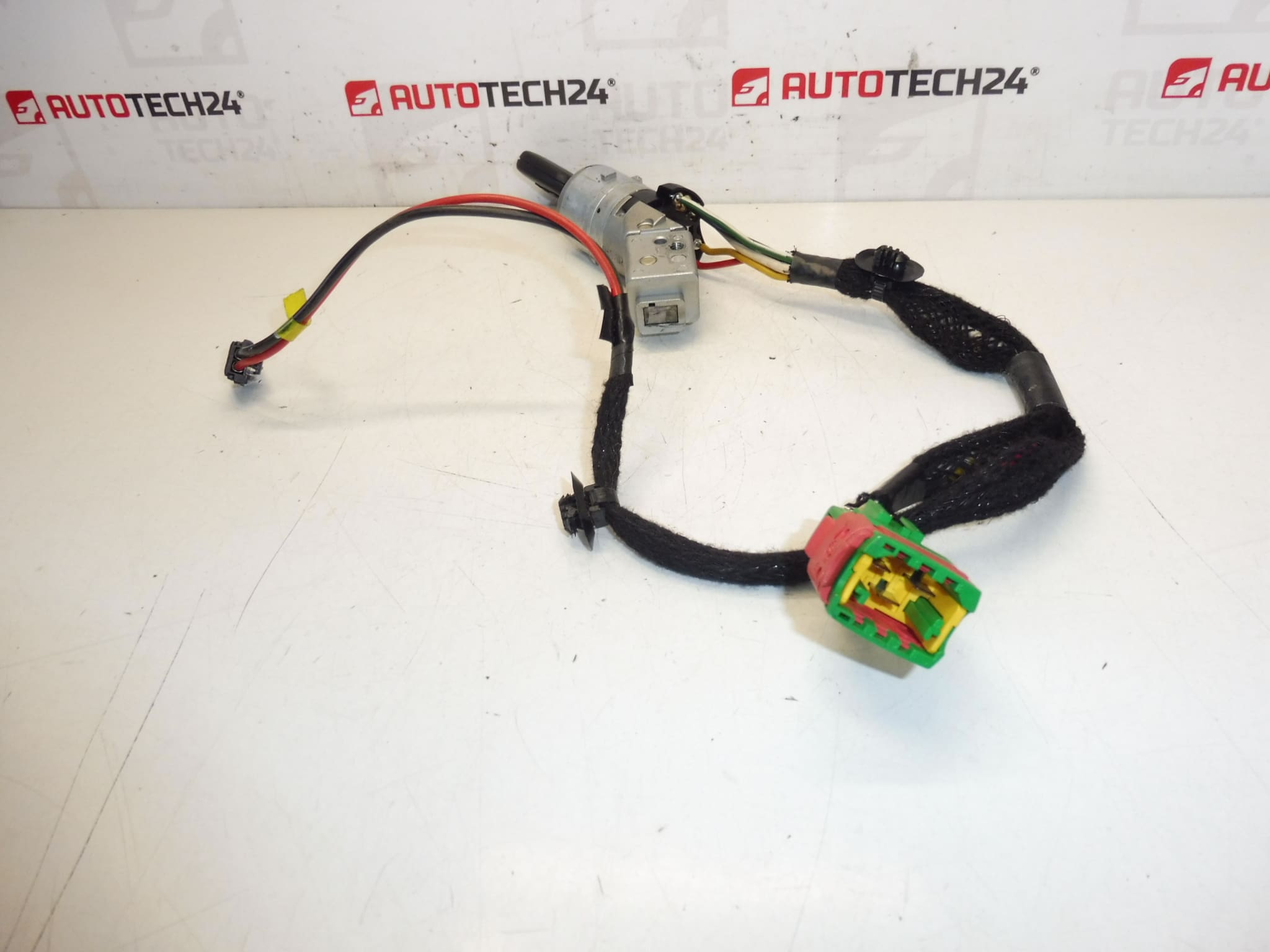
Ignition switch for Peugeot 307 first series
1x key
Professional replacement ignition switch designed for Peugeot 307 (first generation). This used part restores reliable key operation, ignition positions and electrical contact to the vehicle’s starter and accessory circuits. Supplied with one key, the unit is a practical option for mechanics and DIY enthusiasts who need a direct-fit ignition assembly under the product code 4162AS. Compatible with a range of 307 body types, it helps eliminate common symptoms such as key sticking, intermittent power in accessory positions or failure to crank.
Technical Information
- Manufacturer: Stellantis (Peugeot/Citroën)
- Model: Peugeot 307 (First Generation)
- Product Codes: 4162AS
- Other Numbers: Not Specified
Applications / Compatible Models
Fits Peugeot 307 first generation models across common body styles (hatchback, SW estate, coupé-cabriolet) where the original ignition switch uses the same mechanical and electrical interfaces. Check vehicle model year and steering column configuration when selecting the part.
Function And Symptoms
The ignition switch provides mechanical locking and electrical switching for the vehicle’s ignition, starter motor and accessory circuits. Typical failure symptoms that indicate the switch needs replacement include: key difficult to insert or remove, key won’t turn, loss of power in ACC/ON positions, intermittent starting problems, or the engine not cranking despite a good starter and battery.
Replacement Guide
Basic replacement steps (general guidance):
- Always Disconnect The Battery Before Starting Work.
- Remove Steering Column Trims To Access The Ignition Switch And Lock Cylinder.
- Unscrew Mounting Fasteners And Carefully Extract The Ignition Assembly From The Column.
- If Necessary Transfer The Immobilizer Coil (Transponder Ring) And Any Electronic Components From The Old Unit To The New One.
- Install The New Switch, Reassemble Trim, Reconnect The Battery And Test All Ignition Positions (ACC/ON/Start).
Installation Recommendations
Recommended To Be Performed By A Qualified Technician Or An Experienced DIY Mechanic. Use Proper Tools To Avoid Damage To Steering Column Trim And Plastic Components. Handle The Immobilizer Coil Carefully If Present. After Replacement, Verify That The Key Turns Smoothly Through All Positions And That Electrical Circuits Respond Correctly.
Why This Part Commonly Fails
Common causes of failure include mechanical wear of tumblers and plastic components from heavy daily use, dirt and debris ingress, corrosion of electrical contacts, broken or worn keys and occasional damage from forced operation. Moisture and long-term exposure to temperature cycles can accelerate contact degradation and mechanical binding.
Notes For Mechanics And DIYers
This unit is supplied with one key. When replacing an ignition switch, inspect the condition of the steering column covers, key, and associated electrical connectors. If the immobilizer coil or transponder components are present, ensure they are correctly positioned during assembly to maintain reliable recognition of the key.